Survivor 50 leans into fan-driven gameplay and celebrity cameos. Here’s how AI personalization and audience analytics make fan-centric TV scale.
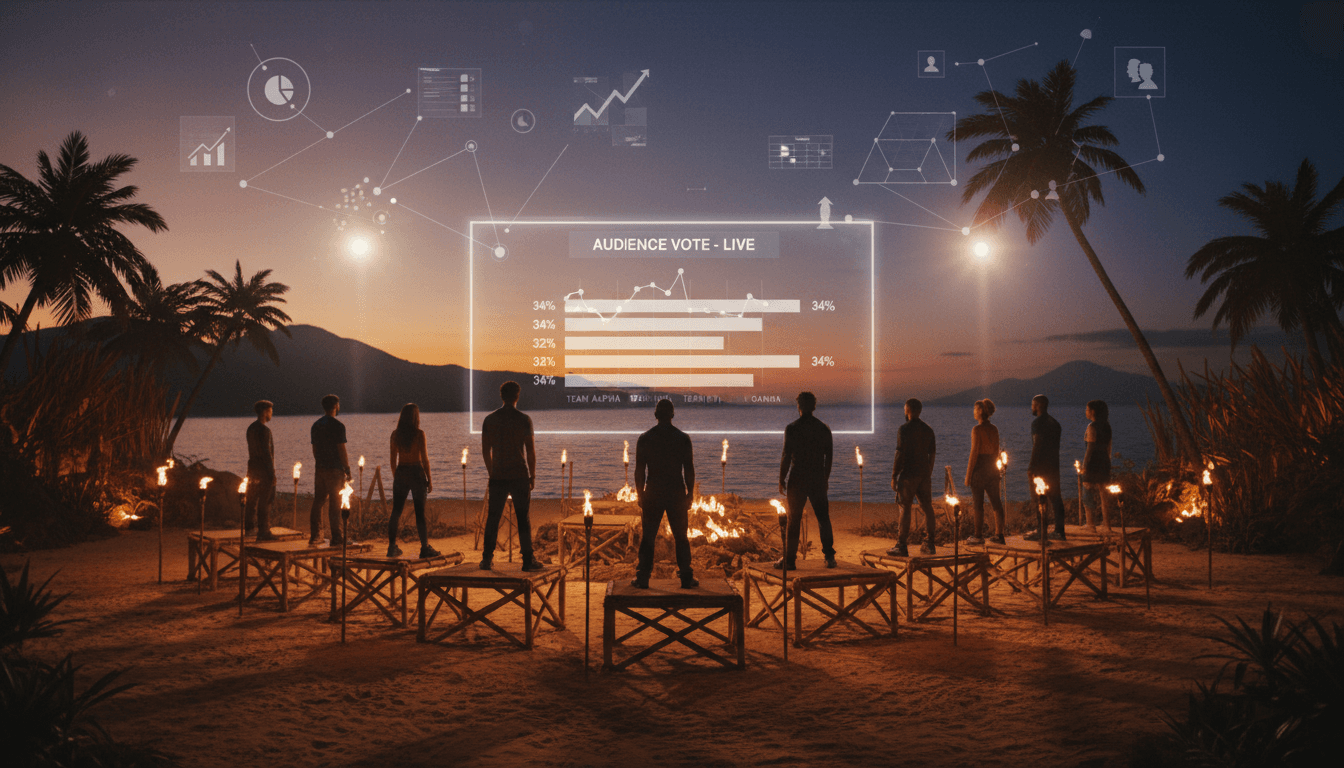
Fan-Driven TV: What Survivor 50 Signals for AI
A milestone season doesn’t just celebrate a show’s past—it stress-tests its future.
The first trailer for ‘Survivor 50’ leans hard into three attention magnets: returning players (including Savannah Louie and Rizo Velovic), celebrity cameos (Zac Brown and MrBeast), and a louder promise of fan-driven gameplay. That mix isn’t random. It’s the same formula streaming platforms and networks are using across entertainment right now: create moments that travel fast, reward superfans, and keep casual viewers from drifting.
Here’s the part many teams miss: fan-driven TV doesn’t scale on vibes—it scales on data. If you want audience participation without confusion, backlash, or hollow “vote now” gimmicks, you need the machinery behind it: audience behavior analysis, personalization systems, and recommendation engines that can shepherd different viewer types to the same tentpole event.
This post breaks down what Survivor 50 is telegraphing about the next era of reality competition—and the practical ways AI in media & entertainment can make fan-centric TV work (without making it feel algorithmic).
Survivor 50 is selling “participation,” not just nostalgia
The core signal from the Survivor 50 trailer is that engagement is now part of the product. Returning players and celebrity pop-ins are the hook, but “a new era of fan-driven gameplay” is the pitch.
Milestone seasons used to be mostly retrospective: iconic contestants, highlight reels, big prize energy. This time, the marketing suggests the audience won’t just watch the game—they’ll help shape it. That’s a meaningful shift in positioning: viewers aren’t only consumers; they’re a variable in the format.
Why networks keep pushing fan-driven formats
Fan-driven gameplay increases retention because it creates obligation. When viewers feel their actions matter—voting, predicting, choosing twists—they’re less likely to skip an episode. That’s especially valuable in late December, when attention is fragmented by holidays, travel, and end-of-year releases.
It also creates a second screen habit. And second screen isn’t a “nice-to-have” anymore; it’s one of the few reliable ways to:
- Capture first-party engagement signals (polls, quizzes, votes)
- Generate short-form clips and creator reactions
- Keep the conversation alive between weekly episodes
But participation has a downside: it can feel unfair, riggable, or confusing if the rules aren’t crystal clear. This is where AI and analytics stop being “tech” and start being format insurance.
Fan-driven gameplay only works when the data loop is tight
The biggest risk in fan-driven TV is not technical failure—it’s trust failure. If viewers don’t believe the system is fair, they don’t just drop the mechanic; they drop the show.
A strong fan-driven loop needs three things working together:
- Clear choices (viewers understand what they’re voting on)
- Fast feedback (they see outcomes quickly)
- Credible governance (anti-bot, anti-brigading, transparent rules)
How AI supports audience behavior analysis (without breaking the magic)
AI earns its keep here by turning messy engagement into usable signals.
For example, if a show offers fan influence over a twist (say, rewarding a player, adding a disadvantage, or selecting a challenge type), AI can:
- Detect anomalous voting patterns (sudden spikes, repeat device fingerprints, coordinated bursts)
- Segment participation by viewer type (superfan vs casual, live vs time-shifted)
- Predict confusion points by analyzing support tickets, comments, and drop-off timing
A practical rule: if a twist requires a five-paragraph explanation, it’s not interactive—it’s homework.
“Fan-driven” shouldn’t mean “fan-chaotic”
The best interactive mechanics feel simple because the complexity is backstage.
AI can help producers run simulations before a mechanic goes live:
- What happens if 70% of votes cluster around the same outcome?
- What if a celebrity cameo drives a participation surge that drowns out regular viewers?
- What if time zones skew voting results?
This is where AI in media & entertainment becomes a creative partner: it can surface likely outcomes and edge cases so you’re not improvising governance mid-season.
Celebrity cameos are more than stunt casting—they’re personalization fuel
Zac Brown and MrBeast aren’t just cameos; they’re audience bridges. Their presence signals that the show wants to recruit viewers who might not normally watch Survivor live.
MrBeast, in particular, is synonymous with creator-native attention: big moments, big stakes, and a built-in expectation of participation. That aligns almost perfectly with a “fan-driven gameplay” marketing message.
The AI angle: cameo-driven acquisition needs smarter routing
When a celebrity cameo pulls in new viewers, the most common failure is this: people arrive for the cameo, then bounce because the show doesn’t onboard them.
AI-powered personalization can reduce that drop-off by adjusting what different viewers see next:
- For new or cameo-driven viewers: “Here’s the 3-minute primer on how this season’s rules work.”
- For lapsed fans: “Here are the returning players and their best moments.”
- For superfans: “Here’s the deeper strategy breakdown and post-episode extras.”
That’s not just marketing; it’s product design.
Recommendation engines should treat tentpole seasons differently
Milestone seasons create unusual viewing behavior: catch-up binges, highlight hunting, “who is that?” searches, and nostalgia rewatches. Recommendation engines often underperform here because they treat the audience like it’s a normal week.
For a tentpole like Survivor 50, smarter recommendation systems can:
- Prioritize context-building content (recaps, cast retrospectives)
- Detect intent (catching up vs sampling)
- Reduce churn by offering a next step that fits the viewer’s commitment level
If your recommendation engine only knows “people who watched this also watched that,” it will miss the moment. Tentpoles require state-aware recommendations: what does the viewer need right now to keep going?
Returning players create a “memory problem” AI can solve
Bringing back players like Savannah Louie and Rizo Velovic rewards long-time fans—but it can intimidate everyone else. Returning-player seasons are fun precisely because they reference history. They also risk becoming a club.
Personalization that respects both superfans and first-timers
There’s a better way to handle this than dumping a 45-minute “previously on the franchise” special and hoping people watch.
AI personalization can create adaptive onboarding that changes based on what the viewer already knows:
- If you’ve watched past seasons featuring a returning player, show their strategic arc and rivalries.
- If you haven’t, show a quick “why they matter” card and two key scenes.
- If you’re rewatching, surface deeper cuts: exit interviews, challenge breakdowns, unseen scenes.
This is also where metadata quality becomes make-or-break. If your content library doesn’t label players, episodes, alliances, major twists, and iconic moments in a structured way, personalization can’t do its job.
A simple framework: the “three-layer recap”
For franchises that bring back returning characters or contestants, I’ve found a three-layer recap format works well:
- 60 seconds: Who they are + why they’re memorable
- 3 minutes: Their defining strategic pattern (strengths, blind spots)
- 10 minutes: Full arc with key relationships and turning points
AI can automate the assembly of these layers (using transcripts, scene detection, and tagged moments) while producers approve the final cut for tone and accuracy.
What “a new era” really means: production is becoming adaptive
The trailer’s “heightened scale” isn’t just bigger sets—it’s bigger operational complexity. Fan-driven mechanics introduce moving parts that traditional production schedules weren’t built for.
Reality competition has always been a blend of planning and adaptation, but interactive elements push it further: you’re no longer reacting only to what contestants do; you’re reacting to what audiences do.
Where AI helps behind the scenes (practical, not sci-fi)
AI doesn’t replace producers. It reduces the number of fires producers have to put out.
High-impact applications for reality TV production teams include:
- Real-time sentiment analysis on episode beats to spot confusion or backlash early
- Automated clip selection for socials based on predicted shareability (then human review)
- Transcription + searchable story logs so editors can find relevant confessionals fast
- Forecasting engagement to staff community teams appropriately for big episodes
This matters because fan-driven formats create what I call engagement debt: every new mechanic adds an expectation that someone will explain it, moderate it, support it, and pay it off on-screen.
People also ask: the practical questions executives raise
Is fan-driven gameplay just a gimmick?
If it doesn’t change the experience in a meaningful way, yes. The winning pattern is low effort for the viewer, high clarity in the outcome. Viewers should feel impact without feeling burden.
Will AI personalization make TV feel “too algorithmic”?
Only if it’s intrusive. The goal isn’t to expose the algorithm—it’s to remove friction. A good personalized experience feels like a thoughtful producer anticipated what you’d need next.
What’s the biggest mistake when adding audience participation?
Launching the mechanic before you have governance. If you can’t explain how you prevent bots, brigading, and vote manipulation, the audience will do it for you—and they won’t be kind.
What to do next if you’re building fan-centric TV
Survivor 50 is a reminder that audience engagement is now a format feature, not a marketing afterthought. Returning players and celebrity cameos may grab the headlines, but the deeper story is how TV is learning to treat viewers as participants—and how AI makes that scalable.
If you’re working in media, streaming, or production, here are three concrete next steps that pay off fast:
- Audit your engagement data pipeline: can you connect votes, polls, app behavior, and viewing behavior into one picture?
- Design “onboarding content” like it’s part of the show: recaps, primers, and explainers should be personalized and easy to consume.
- Upgrade your recommendation strategy for tentpoles: milestone seasons need context-aware recommendations, not generic similarity.
Fan-driven TV is heading toward a future where episodes feel a bit more like live events—something you show up for, talk about, and influence. The question for 2026 programming slates is blunt: will your audience participation feel trustworthy and fun, or complicated and suspect?