TikTok is becoming SEA’s food discovery engine. Here’s how Singapore SMEs can turn short-form content into real orders and leads in 2026.
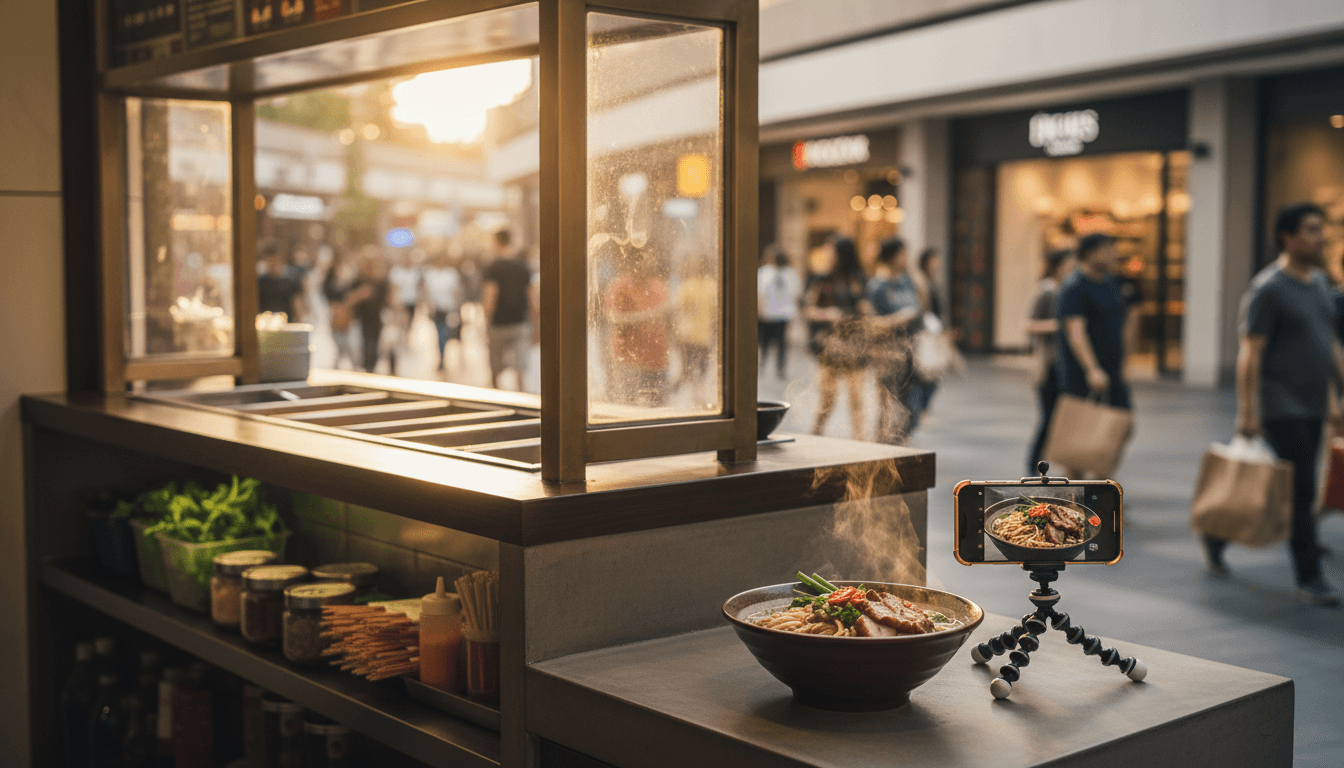
TikTok Is Where SEA Food Orders Start (Not Apps)
A few years ago, “food delivery marketing” in Southeast Asia meant one thing: fight for visibility inside GrabFood, foodpanda, ShopeeFood, or whichever app dominated your neighbourhood. You optimised menu photos, bought in-app ads, joined discount campaigns, and prayed the algorithm smiled on you.
That playbook is ageing fast. In 2025, the upstream decision—what to eat and where to buy it—increasingly happened on TikTok before anyone opened a delivery app. e27 summed it up bluntly: the next meal starts on TikTok, not in an app. I agree, and I’ll go further: for many F&B SMEs in Singapore and the region, TikTok is no longer “social.” It’s the top of the funnel for revenue.
This piece is part of our Singapore Startup Marketing series—practical growth tactics for Singapore brands selling locally and expanding across Southeast Asia. If you’re an SME owner or marketer, this matters because it changes where you put budget, what content you create, and how you measure success.
TikTok isn’t competing with food apps—it’s replacing discovery
TikTok’s real impact isn’t that it can take orders (TikTok Shop already does in many categories). It’s that it’s becoming the place people decide.
Food delivery apps are built for conversion: search, filter, add to cart, pay. TikTok is built for attention: short videos, social proof, creators, trends, and a feed that keeps serving “something you didn’t know you wanted.” That difference is exactly why TikTok wins discovery.
The new customer journey for food in SEA
Here’s what’s increasingly common across Singapore, Malaysia, Thailand, Indonesia, and Vietnam:
- Someone sees a 15–30 second TikTok of a dish (often from a creator or a customer, not the brand).
- They save it, share it, or screenshot the storefront.
- Only then do they open a delivery app—or Google Maps—or the brand’s link in bio.
Discovery moved upstream. And upstream is where small brands can punch above their weight, because a great product moment on video can outperform a giant ad budget.
Why this shift accelerates in 2026
A few forces make this more intense going into 2026:
- Content-first habits: Younger consumers (and plenty of older ones now) treat TikTok as a search engine for “what’s good nearby.”
- Shrinking patience for browsing menus: Endless scrolling on delivery apps feels like work. Watching “top 5 kaya toast spots” doesn’t.
- Social proof beats star ratings: A video with real reactions is more persuasive than a 4.6 rating with generic reviews.
If you’re still treating TikTok as a “branding channel” while putting all sales effort into delivery apps, you’re optimising the wrong stage of the funnel.
What Singapore SMEs should do differently (starting this week)
Most companies get this wrong by trying to copy what big chains do: polished ads, generic promos, and content that feels like a brochure.
TikTok rewards believability, not perfection. Your goal is to create repeatable “proof moments” that make people hungry, curious, and confident.
Build content around three high-performing formats
If you sell food, drinks, or anything “sensory,” these formats consistently drive action:
-
The hero shot + reaction
Show the product close-up, then the first bite/sip reaction. Keep it simple. -
Behind-the-counter reality
Prep, cooking sounds, peak-hour chaos, staff banter. This builds trust fast. -
Comparison and ranking
“Our spicy level 1 to 5,” “$8 vs $15 lunch,” “3 ways to order this.” It reduces decision friction.
A useful internal rule: If someone watches with the sound off, they should still get it. Use strong visuals and clear framing.
Don’t chase virality—chase repeatable sales triggers
Virality is nice, but it’s unreliable. I’ve found that SMEs win by building a small library of content types that reliably convert:
- “What to order” staples (best-sellers, staff picks)
- Limited-time drops (seasonal flavours, CNY bundles, Ramadan sets)
- Price anchoring (value sets, add-ons, portion size clarity)
- Location cues (closest MRT, parking, delivery radius)
In Singapore, where convenience is king, a single line like “5 minutes from Bugis MRT” can outperform a discount—because it answers a real objection.
How to connect TikTok attention to actual orders
TikTok can create demand. But demand doesn’t automatically turn into sales unless you remove friction.
Here’s a practical conversion setup for F&B SMEs that want leads and orders (without building complex tech).
Step 1: Treat your TikTok profile like a storefront
Your profile should answer, instantly:
- What do you sell?
- Where are you?
- How do I buy?
Checklist:
- Bio: clear category + location (e.g., “Korean bowls in Tanjong Pagar”)
- Pinned videos: “What to order”, “How to find us”, “Best-selling set”
- Link: one path that matches your main goal (order, reservation, WhatsApp, etc.)
Step 2: Use a two-link strategy (one for locals, one for explorers)
If you serve both dine-in and delivery customers, splitting traffic helps:
- Link A: “Order delivery” (fast conversion)
- Link B: “Visit us” (maps, hours, menu highlights)
You don’t need fancy tools to do this, but you do need clarity. Too many SMEs dump five links and wonder why nobody clicks.
Step 3: Capture intent when it’s hottest
TikTok comments are a goldmine for signals:
- “How much?”
- “Halal?”
- “Where is this?”
- “Open late?”
- “Can deliver to [area]?”
Reply with a short comment and make a follow-up video answering it. This does two things: it converts the person asking, and it creates content that answers the next 100 people.
Snippet-worthy truth: The best TikTok content strategy is turning customer objections into videos.
Paid ads on TikTok: what’s worth paying for (and what isn’t)
Organic reach is still powerful, but paid TikTok is increasingly necessary in competitive areas (CBD lunch, bubble tea corridors, weekend brunch hotspots).
The mistake is boosting “pretty videos.” The better approach is paying to scale what already works.
A simple budget approach for SMEs
If you’re a Singapore SME with a modest budget, try this:
- 70% on boosting proven content (already has strong watch time and saves)
- 20% on creator whitelisting / Spark Ads (use creator posts as ads)
- 10% on testing new hooks
And measure what matters:
- Cost per profile visit
- Cost per click
- Conversion rate on the order page
- Incremental lift on peak-hour sales
Don’t obsess over views. Views are cheap. Purchases are not.
Creator partnerships that actually drive orders
You don’t need celebrity influencers. You need creators whose audience matches your buying radius and price point.
A practical creator brief for F&B:
- 1 video: “What I ordered + honest reaction”
- 1 video: “Best time to go / queue tips / how to order”
- Must mention: location cue + signature item
- Deliverables: raw footage for your own edits (often overlooked)
If you’re expanding regionally, repeat this playbook market by market. A Singapore brand entering KL or Jakarta needs local creators, not Singapore-centric messaging.
What this means for Singapore startup marketing in 2026
This TikTok shift fits a broader pattern we’ve been tracking in this series: distribution is moving away from “owned platforms” and toward algorithm-driven feeds. The winners aren’t the brands with the biggest catalogs. They’re the brands that can repeatedly create content people want to watch.
For Singapore startups and SMEs, this is good news—if you act on it.
The stance I’m taking
Relying only on delivery apps is risky. You’re renting demand inside someone else’s marketplace, with fees, ranking shifts, and promo pressure.
Building TikTok as a discovery engine is more durable. It creates:
- Direct brand search demand (people look you up by name)
- Higher conversion when they do open Grab/food apps
- A content asset you can repurpose across Instagram Reels, YouTube Shorts, and ads
And yes, it’s work. But it’s the kind of work that compounds.
A 14-day action plan for busy SME teams
If you’re reading this thinking “we don’t have time,” try this two-week sprint:
- Day 1: Clean up profile (bio, pinned videos, clear link)
- Days 2–5: Film 10 short clips (prep, hero shots, reactions, staff picks)
- Days 6–7: Edit into 6 posts (keep them under 25 seconds)
- Week 2: Post 4–6 times, reply to every useful comment, turn 2 comments into videos
- End of Week 2: Boost the top-performing post with a small budget and track clicks
Your target outcome isn’t fame. It’s predictable discovery.
TikTok is where the next meal in Southeast Asia starts, and in 2026 that’s not a trend—it’s the new default. If you’re a Singapore SME trying to win locally or expand regionally, the question isn’t whether you should be on TikTok. It’s whether you’re building a system that turns attention into orders.
Where do you think your customers are choosing you today—inside an app, or inside their feed?