Winter driving safety is also a money move. Cut your risk of claims, repairs, and premium hikes with practical prep, smart habits, and insurance choices.
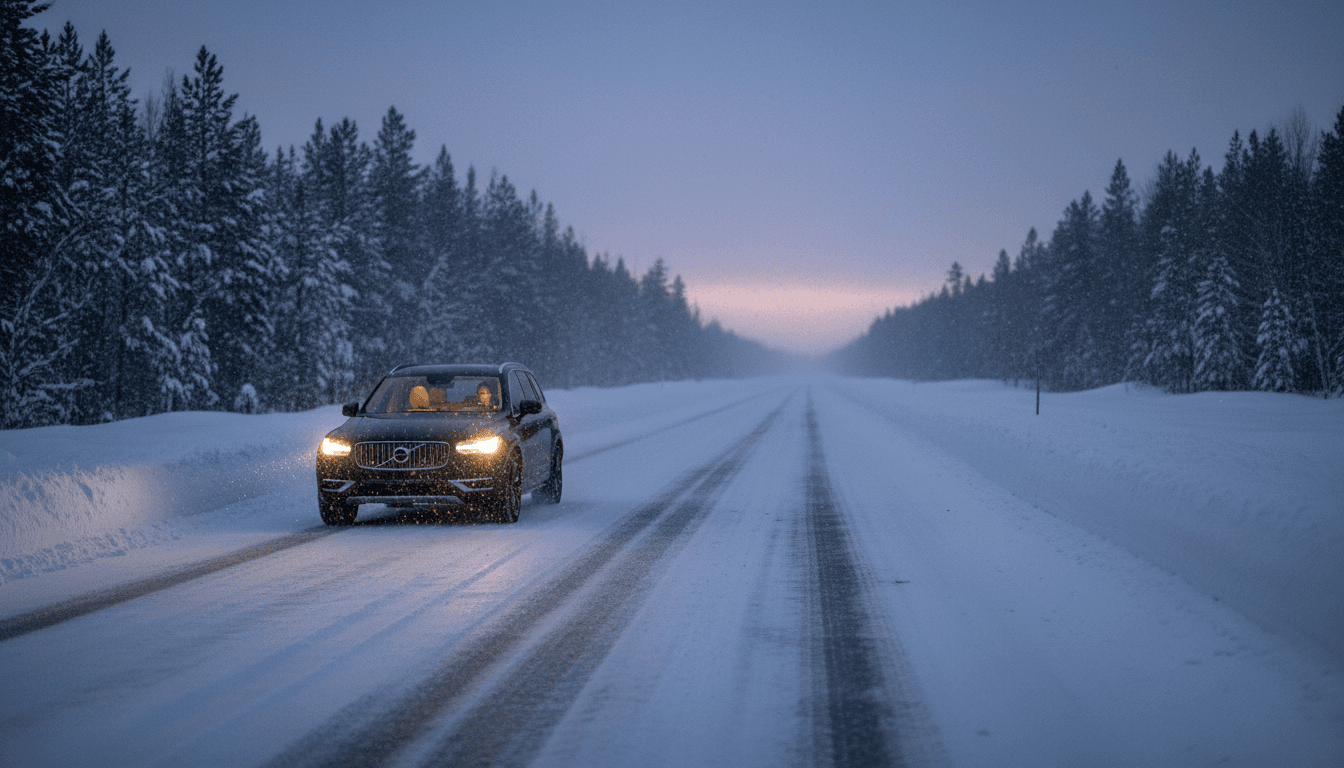
Winter Driving Tips That Protect Your Wallet
A single winter fender-bender can quietly become a multi-year tax on your monthly budget. Not because of the body shop bill—because of what happens after you file an at-fault claim. In one real-world pricing scenario, a clean record at $2,849/year jumped to $4,708/year after one at-fault collision—an increase of 65%. That’s not “a bad week.” That’s a bigger insurance line item for years.
This post is part of our Interest Rates, Banking & Personal Finance series, where we usually talk about borrowing costs, cash flow, and smart risk decisions. Winter driving belongs in that conversation. Road conditions change your risk profile, and risk is what insurers price. The good news: the most effective winter driving habits are also the simplest, and many of them cost little—or even save money.
Here’s a practical, finance-first way to think about winter driving: spend small to prevent expensive surprises. That means the right prep, the right habits on the road, and the right insurance choices before the first storm hits.
Why winter driving is a personal finance decision
Winter driving safety isn’t just about avoiding injury—it's about protecting your household balance sheet.
When you slide into another car, the financial fallout often stacks up fast:
- Higher auto insurance premiums for years after an at-fault claim (many insurers rate accidents for roughly six to nine years).
- Deductibles you pay out of pocket if you claim.
- Lost time and income, especially if you miss shifts, client work, or can’t commute.
- Financing pain if the car is written off and you need a replacement in a high-rate environment.
Here’s the part most drivers miss: when interest rates are elevated (as they’ve been in the mid-2020s), replacing a vehicle can be dramatically more expensive because car loan rates amplify the cost of even a modest upgrade. Avoiding collisions doesn’t just keep premiums stable—it reduces the odds you’ll need to borrow at the worst possible time.
A winter collision is rarely “one bill.” It’s often a chain reaction: deductible, repairs, rental costs, time off, and higher premiums.
The “spend $200 to avoid $2,000” winter car prep plan
The best winter prep is boring. That’s exactly why it works.
1) Winter tires: safety first, savings second
Winter tires are one of the few car expenses that can reduce risk immediately and may also reduce your insurance cost.
- In some provinces, insurers must offer a winter tire discount.
- In others, winter tires are effectively mandatory for parts of the season.
If you’re budgeting, frame winter tires like this: you’re buying shorter stopping distances and more steering control. The potential discount is nice, but the real payoff is avoiding the claim that drives your premiums up.
Practical budgeting tip: if paying upfront hurts, consider setting aside a “winter driving sinking fund” starting in spring—small monthly contributions beat a stressful November scramble.
2) Windshield washer fluid, wipers, and visibility tools
Poor visibility is a silent contributor to winter accidents. This is the cheap stuff that prevents expensive mistakes:
- Winter-rated washer fluid
- Good wiper blades
- Ice scraper and snow brush
I’ve found this is where people under-invest because it feels minor—until you’re driving at night with salt spray and glare.
3) Build a winter emergency kit (it’s also a financial buffer)
A basic kit helps you avoid towing costs, missed work, and panic purchases.
Include:
- Blanket and warm gloves
- Jumper cables or a battery booster
- Flashlight
- Flares or reflective triangles
- Small shovel
- Phone charging cable and a backup battery
You’re not planning for the apocalypse. You’re planning for the two-hour wait that turns into an expensive problem if you’re unprepared.
Before you drive: the habits that prevent claims
If you want the lowest-cost winter safety strategy, it’s this: avoid putting yourself in the worst conditions.
Plan the trip like you’re managing risk, not just time
Check road conditions and choose routes that are more likely to be plowed, salted, and well-lit.
Finance angle: the “shortest route” can be the most expensive route if it increases your odds of an at-fault accident. Extra distance is often cheaper than extra risk.
Leave early (so you don’t speed later)
Most winter driving mistakes start with urgency. When you're late, you follow too closely, brake too hard, and “force” lane changes.
Leaving even 10–15 minutes earlier is a behavior hack that costs nothing and lowers risk immediately.
Clear the whole car, not just a peephole
Clear:
- Roof (flying snow can blind other drivers and lead to liability)
- Hood and lights
- Windows and mirrors
- Wiper blades
This is basic, but it’s also one of the easiest ways to avoid a preventable incident—and the insurance headache that follows.
Charge your phone and set it up for zero-touch use
A charged phone is safety, but it’s also logistics:
- If you’re stuck, you can coordinate a tow or roadside help quickly.
- If you have to report an accident, you can take photos and call your insurer.
Use driving mode / do-not-disturb. Winter conditions demand full attention.
On the road: the five driving moves that matter most
Most “winter driving tips” lists are long. The reality? Five habits do the heavy lifting.
1) Slow down and drive smoothly
The biggest driver of winter collisions is speed that doesn’t match conditions. Traction is limited, and every aggressive input—braking, accelerating, turning—uses it up.
Rule I stick to: if you feel rushed, you’re already driving too fast for winter.
2) Increase following distance (a lot)
On dry pavement, people get away with tailgating. On ice, you won’t.
Add extra space so you can stop without slamming brakes. This one habit prevents a huge share of rear-end claims, which are common in winter traffic.
3) Brake before the turn, not during it
Do your slowing down before you enter the corner. Turning while braking increases the chance of sliding straight instead of following the curve.
If you only remember one technical tip, make it this.
4) Know what to do in a skid (and practice the concept)
If your vehicle has ABS, don’t pump the brakes. Press firmly and steer where you want to go.
Many cars also have Electronic Stability Control (required on newer models). It helps, but it doesn’t cancel physics. Your best tool is still speed control and smooth inputs.
A smart (and safe) idea: after the first snowfall, find an empty parking lot and practice gentle braking and steering to feel how your car responds. That tiny “training session” can save you thousands.
5) Stay alert: no cruise control, no divided attention
Winter demands active driving:
- Don’t use cruise control on snowy or icy roads.
- Keep your lights on so others can see you.
- If you’re tired, stop. Fatigue plus winter roads is a bad combination.
The insurance cost of one mistake (and how to limit the damage)
An at-fault claim is one of the fastest ways to increase your cost of living.
Here’s the simple math from a pricing example for a Toronto driver:
- Clean record: $2,849/year
- After 1 at-fault collision: $4,708/year
- Difference: $1,859/year (a 65% increase)
Even if your numbers differ by province, age, or vehicle, the principle holds: claims are expensive long after the car is fixed.
Should you pay out of pocket instead of claiming?
Answer first: Sometimes, yes—if the damage is minor and you can cover it without taking on high-interest debt.
A quick decision framework:
- If the repair cost is close to (or below) your deductible, claiming often doesn’t make sense.
- If paying out of pocket means carrying a credit card balance at 20%+ interest, claiming may be the cheaper long-term move.
- If there’s any chance of injury, hidden damage, or liability disputes, involve insurance.
If you’re unsure, ask the shop for a written estimate and then compare:
- deductible + expected premium increase risk vs.
- out-of-pocket cost + your ability to pay without borrowing
Accident forgiveness: the add-on that can protect your budget
Answer first: Accident forgiveness can prevent your first at-fault accident from raising your premium with your current insurer.
It’s not available everywhere and not everyone qualifies, but if you have a clean record and want predictable expenses, it’s worth asking about before anything happens.
Think of it like a financial hedge: you pay a bit more now to avoid a large jump later.
A simple winter driving budget checklist (10-minute version)
If you want a quick, practical checklist you can knock out this weekend:
- Top up winter washer fluid
- Replace wipers if they streak
- Confirm tire tread and pressure (cold air drops pressure)
- Pack blanket, booster cables, flashlight
- Add a phone charger + backup battery
- Keep a snow brush and ice scraper in the car
- Set a “leave early” buffer for appointments
- Turn on driving mode on your phone
- Review your deductible amount (could you actually pay it?)
- Ask your insurer about winter tire discounts and accident forgiveness
This is what financial preparedness looks like in real life: fewer surprises, fewer emergency expenses, and fewer decisions made under stress.
Where this fits in your bigger money plan
Winter driving is one of those topics that sits quietly beside interest rates and banking—but it affects them. A claim can raise your insurance bill. A vehicle replacement can force you into a loan at an ugly rate. A few smart prep steps lower the odds you’ll need either.
If you want a practical next step, do this: price out your winter readiness (tires, wipers, emergency kit) and compare it to your potential “claim cost” (deductible plus even one year of premium increase). The numbers usually make the decision for you.
What’s your plan for keeping winter driving from becoming a budget problem—are you investing in prevention, or hoping for a mild season?