CRA service delays can hit your cash flow hard. Learn practical tax-buffer, debt, and budgeting tactics so you’re not waiting on refunds to stay afloat.
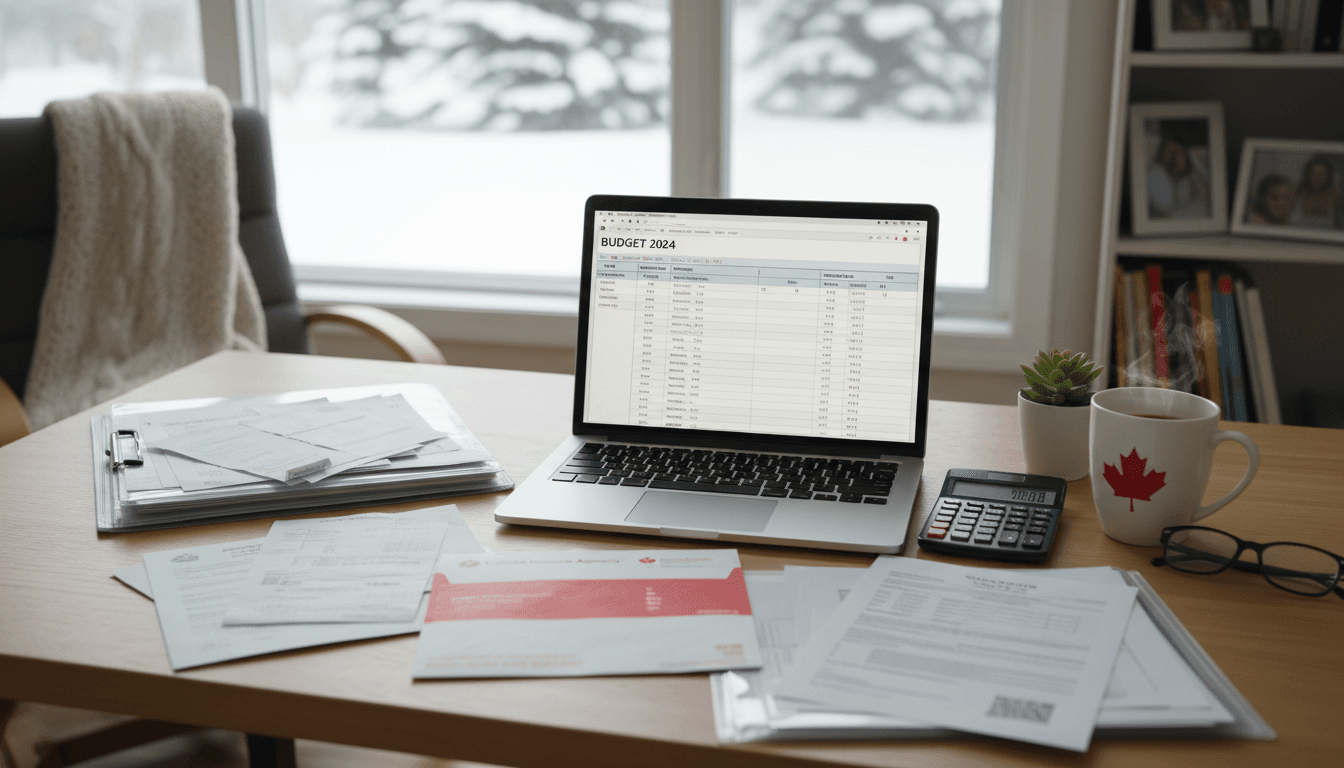
CRA service delays: protect your finances without waiting
A lot can go wrong in Canadian personal finance without a single “bad money decision.” Sometimes it’s a slow callback, a confusing notice, a stuck reassessment, or an unanswered question that blocks your refund or creates stress you can’t budget for.
That’s why Kim Moody’s critique of the CRA’s “100-day plan” lands: better taxpayer service isn’t achieved by short-term fixes or shiny dashboards tracking underwhelming targets. Service is outcomes—clear answers, fast resolution, and fewer errors that spill into your bank account.
This matters even more right now. It’s late December 2025: bills stack up after the holidays, RRSP season is around the corner, and many households are still feeling the aftershocks of elevated interest rates. When rates are high, timing matters—a delayed refund or a surprise balance owing isn’t just annoying; it can become expensive.
The real cost of poor taxpayer service (it’s not just frustration)
Poor taxpayer service has one predictable result: cash-flow uncertainty. If you don’t know when money is coming in (refund) or going out (balance owing, instalments, garnishments), you can’t plan your debt payoff, mortgage prepayments, or even basic bill timing.
Here’s what “service failure” often looks like in real life:
- A refund that takes longer than expected, pushing you to carry credit card debt for another month.
- A notice you don’t understand, so you delay responding—and penalties/interest keep running.
- A simple request (like a proof-of-income letter or account update) that takes multiple calls and weeks.
- A reassessment that changes your tax payable and triggers knock-on effects (child benefits, GST/HST credit, income-tested programs).
When interest rates are elevated, the carrying cost of delays is higher. A couple of weeks can mean:
- more interest on a line of credit,
- less room to make an extra mortgage payment,
- or missing your own “financial cadence” (automated savings, debt snowball, sinking funds).
If you’re paying 20%+ on credit card debt, a delayed refund isn’t administrative—it’s a high-interest loan you didn’t agree to.
Why dashboards and 100-day plans often disappoint taxpayers
The problem with short-term plans isn’t that they’re useless—it’s that they’re easy to optimize for appearances.
A dashboard can track:
- number of calls answered,
- average wait time,
- number of files “touched,”
- percentage of online submissions.
But taxpayers experience something different:
- “Did my issue get resolved?”
- “Did I get a clear explanation I can trust?”
- “Did the fix stick, or will I get another letter in two months?”
If performance targets don’t measure resolution quality, you get a system that’s busy but not effective.
The metric that actually matters: time-to-correct-outcome
For individuals and small businesses, the most meaningful service metric is time-to-correct-outcome: the number of days from first contact to a correct, final resolution (refund processed, reassessment explained and settled, account corrected).
Why? Because the “correct outcome” is what determines your cash flow—and in an interest rate environment where every dollar has a cost, cash flow is the whole game.
What taxpayers can control vs. what they can’t
You can’t control how quickly a government agency processes a queue. You can control how exposed you are to the consequences.
That’s the shift worth making: treat the tax system like a counterparty risk. Not because it’s malicious, but because it’s complex, centralized, and not built around your personal timeline.
Personal finance stance: plan as if refunds will be late
Here’s the stance I recommend for most households: stop building your budget around a “normal” refund timeline. Treat your refund as a bonus, not a pillar.
This isn’t pessimism. It’s risk management.
Strategy 1: Build a “tax buffer” cash reserve (small but specific)
An emergency fund is broad. A tax buffer is narrow and powerful.
Aim for one month of:
- your typical tax-related outflows (instalments, HST/GST remittances if you’re self-employed), or
- your average historical “surprise” amount owing,
with a floor of $500–$1,500 if you’re a salaried employee who occasionally faces adjustments.
Where to keep it?
- A high-interest savings account is fine.
- If you’re juggling debt, keep it accessible (don’t lock it into a term deposit right before tax season).
This buffer prevents the classic trap: using a credit card to “float” a tax problem while interest compounds.
Strategy 2: Adjust withholding so you’re not lending money interest-free
Many Canadians over-withhold and rely on a big refund. That’s emotionally satisfying, but financially sloppy—especially when savings rates and debt rates are high.
If you consistently get large refunds, consider whether you should:
- review your TD1 (for employees),
- reassess deductions/credits you’re claiming,
- or (for families) coordinate spousal withholding and benefits planning.
The goal isn’t to “owe at tax time.” The goal is to reduce extreme outcomes—no giant refund you wait for, and no surprise bill that forces borrowing.
A practical target: close to zero, with a modest refund or modest amount owing that you can pay from your tax buffer.
Strategy 3: Use a debt plan that survives interruptions
If your debt payoff plan collapses when a refund is delayed, the plan is too fragile.
A sturdier approach:
- Automate minimums on everything.
- Pick one “attack debt” (often the highest-interest card).
- Make a fixed extra payment you can maintain even if a refund doesn’t show up.
- Treat refunds as accelerators—not the engine.
This matters because the cost of revolving debt remains brutal even if policy rates drift down. Your credit card APR doesn’t follow the Bank of Canada down with the same enthusiasm it followed it up.
How to reduce your odds of getting stuck in tax limbo
You can’t guarantee smooth processing, but you can reduce friction by treating taxes like a workflow.
Keep “audit-ready” records (even if you’re not audited)
Most issues aren’t full audits. They’re requests: receipts, support for deductions, proof of eligibility.
Use a simple system:
- One folder per tax year
- Subfolders:
Income,Deductions,Medical,Donations,Work-from-home,Childcare,Rental,Business - Scan receipts as you go (phone scan is enough)
If you’re self-employed, add:
- monthly income summary,
- mileage log,
- and a list of major expense categories.
Speed matters. When you can respond in 24–48 hours instead of 3 weeks, you’re less likely to fall into a prolonged back-and-forth.
File early, but don’t file sloppy
Early filing can help you get ahead of the seasonal crunch, especially heading into RRSP receipt season. But rushing creates errors that cause reassessments—the worst kind of “delay,” because it can come with reversals.
A good rule:
- File early only after T-slips are in and reconciled.
- If you run a business, reconcile bookkeeping first.
Don’t ignore notices—even when you think they’re wrong
A notice isn’t an argument; it’s a timer.
If you disagree, respond quickly and clearly. Keep:
- the notice number,
- dates and names (if you called),
- and copies of what you submitted.
Penalties and interest can keep accruing while you wait. If paying the amount creates hardship, it’s still worth exploring payment arrangements rather than going silent.
Holding the CRA accountable without making your life harder
You can push for better service and still protect your personal finances. The trick is separating advocacy from your day-to-day money plan.
What “accountability” looks like for taxpayers
If dashboards are measuring superficial targets, taxpayers should demand measures that reflect real outcomes. The public-facing metrics that would actually mean something:
- median and 90th-percentile time-to-correct-outcome for common issues
- percentage of files resolved on first contact
- error rates that lead to reassessments or benefit recalculations
- backlog size by category (refund holds, objections, reassessments)
These are harder to game—and closer to the lived reality.
Your personal accountability system (the one that pays you)
While the system improves (or doesn’t), build your own:
- A tax calendar with deadlines and reminders (instalments, filing, payment)
- A “refund plan” that assigns your refund a job before it arrives (debt, emergency fund, TFSA)
- A quarterly money check-in that includes taxes, not just banking and investing
This is where the “Interest Rates, Banking & Personal Finance” lens matters: your financial life is interconnected. Your tax situation affects your borrowing needs, your savings rate, and your ability to handle rate changes.
Common questions people ask (and the straight answers)
Should I rely on my tax refund to pay down debt?
Use refunds as a boost, not a dependency. A plan that requires the refund to function will break the year it’s delayed.
If interest rates drop, will tax delays matter less?
They’ll matter a bit less, but not enough to ignore. Credit card rates and penalty interest don’t fall quickly, and cash-flow surprises still create stress and missed goals.
What’s the simplest way to reduce tax-season stress?
A small tax buffer, tidy records, and a realistic filing workflow. Boring works.
A better approach than waiting for “presents” from the system
Moody’s point about short-term fixes and dashboard theatre is really a warning: don’t confuse activity with service. If taxpayer experience doesn’t improve where it counts—clear answers, timely resolution, fewer mistakes—then the plan is optics.
For your own finances, the winning move is to assume delays happen and build around them. Keep a tax buffer, reduce extreme refund/balance outcomes, and run a debt plan that doesn’t crumble if timing slips. That’s how you stay steady even when interest rates, processing backlogs, and bureaucratic surprises try to throw you off.
If you could make one change before tax season hits, make it this: set up a system where a delayed refund is inconvenient, not destabilizing. What would that look like in your household—$1,000 in a tax buffer, better withholding, or a debt payment you can keep up no matter what?