Telkom’s AI-smarter networks cut wasted power and boost reliability—key for SA e-commerce uptime, affordable data, and resilient digital services.
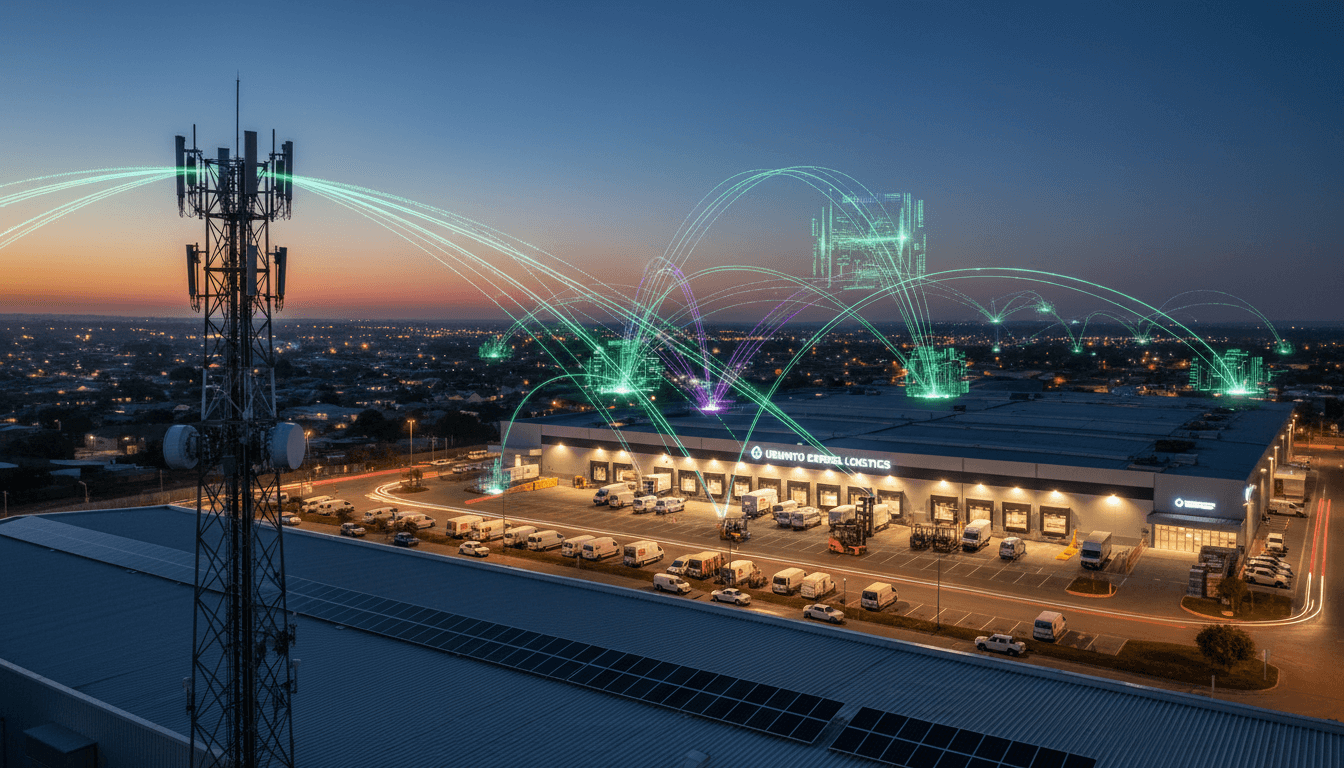
AI-Smarter Networks That Keep SA E-commerce Running
Data traffic on mobile networks is growing at around 20% a year. That’s not a “telco problem” — it’s an e-commerce problem, a fintech problem, a streaming problem, and a “my customers expect instant replies on WhatsApp” problem.
When the network stutters, South African online retail doesn’t just slow down. Checkout conversion drops, payment retries spike, support queues swell, and delivery coordination turns messy. And when power is unreliable, the knock-on effects show up everywhere: abandoned carts, delayed verifications, failed OTPs, and late-night ops teams scrambling.
That’s why Telkom’s recent focus on data-led, AI-assisted network optimisation and sustainability matters beyond telecoms. Smarter networks are becoming part of the growth engine for South Africa’s digital economy — the invisible layer that makes AI-powered e-commerce and digital services feel “always on”, even when the world around us isn’t.
Snippet-worthy take: If your store is digital, your “storefront uptime” depends on network intelligence as much as your website.
Smarter networks are the new baseline for digital services
Answer first: E-commerce and digital services scale when connectivity is reliable, affordable, and resilient — and that now requires AI-driven network operations.
Most businesses talk about AI as something you use in marketing (personalised emails, product recommendations, content generation). But AI is also something the infrastructure uses to keep your customers connected in the first place.
Telkom operates national infrastructure that includes data centres and roughly 8,000 base stations, all of which consume significant power. Those base stations average about 5 kilowatts each, which is a huge operational cost — and a huge risk when energy supply is unstable.
Here’s the part many online businesses miss: network cost pressure becomes customer cost pressure. If a carrier has to burn diesel and over-provision power to keep services stable, the economics of affordable data get harder. For e-commerce, that has real outcomes:
- Data-heavy shopping experiences (image-first catalogues, video reviews) get pricier to browse
- Customers become more sensitive to page weight and app performance
- Smaller merchants feel the pinch first, because they can’t buy their way out with big ad budgets
Telkom’s approach, led on the network side by Lebo Masalesa, is explicitly data-led: using operational data and AI to decide where power and performance are genuinely needed — and where they’re being wasted.
Telkom’s sustainability work is also a reliability strategy
Answer first: Cutting emissions and reducing diesel dependency improves uptime, not just ESG reporting.
Telkom reports that since 2022 it has reduced combined Scope 1 and 2 carbon emissions from its network by 32% through multiple interventions. That supports the group’s targets of carbon neutrality by 2035 and net-zero by 2040.
It’s tempting to file this under “corporate sustainability.” I don’t. For digital commerce, sustainability becomes operational resilience in three practical ways:
1) More renewable power means fewer service interruptions
When the grid fails, towers and critical sites depend on backup systems. Batteries carry the load for a time, but the longer the outage, the more you lean on diesel generators. Add renewables and you extend runtime.
Telkom’s new one-megawatt solar plant in Centurion supports a major data centre and has already reduced diesel consumption there.
For digital services, data centre stability is foundational:
- Payment gateways and fraud systems need consistent connectivity
- Customer service tools (chat, CRM, ticketing) can’t go dark during peaks
- Real-time logistics tracking needs reliable data paths
2) Renewables help control costs that would otherwise hit customers
Network energy is a huge line item. If you can replace a portion of diesel and grid exposure with renewables, you reduce volatility.
That matters in South Africa because the economics of digital growth depend on reasonably priced data. When connectivity costs stabilize, online businesses can:
- Serve richer experiences (better product media, faster support)
- Expand to more price-sensitive customer segments
- Invest more in customer experience rather than firefighting network-related drop-offs
3) Reliability supports “universal access” in a practical way
Universal access isn’t just about coverage maps. It’s about whether people can actually use online services consistently.
If a township customer can’t complete a payment because the network drops during OTP, they don’t “have access” in any meaningful sense. Resilient power at network sites is one of the unglamorous requirements for real inclusion.
AI at the base station: why this matters to your checkout page
Answer first: AI-driven radio optimisation reduces wasted power and keeps capacity available during real demand spikes — which is exactly when online businesses need it most.
One of the most concrete examples from Telkom’s programme is AI used to manage radio access network power. In older network designs, a radio might transmit at full power continuously — even when demand is low.
Telkom, working with Huawei, has deployed AI techniques that determine when high transmit power is actually needed and dynamically adjust based on demand at each base station.
Masalesa’s explanation is refreshingly practical: in many areas, there are only two real peak periods in a 24-hour cycle. Outside those windows, blasting at maximum power is waste.
The result?
- In some scenarios, Telkom can move from 100% power usage to under 50% by cutting unnecessary transmission power.
That single point connects directly to e-commerce and digital services:
- Peak demand is predictable: payday surges, month-end settlements, Black Friday, holiday gifting (and yes, December is peak right now)
- Networks that waste power off-peak have less flexibility during peak
- Smarter power control keeps networks healthier during the exact moments that matter to revenue
Snippet-worthy take: The best time to save energy is when nobody notices — so the network can perform when everybody does.
What South African e-commerce teams should do with this insight
Answer first: Treat connectivity resilience as a product requirement and design your digital experience for real network conditions.
You can’t control a carrier’s infrastructure roadmap, but you can build your store and service to perform better on the networks your customers actually have.
Design for the network you have, not the one you wish you had
I’ve found that teams often over-focus on desktop fibre experiences while their customers buy on mobile, on battery, in transit.
Practical moves that pay off quickly:
- Cut page weight: compress images, lazy-load below-the-fold media, avoid auto-playing video
- Make checkout tolerant: save cart state, allow “resume checkout”, handle timeouts gracefully
- Offer low-bandwidth support: WhatsApp-first service, lightweight help centre pages
- Reduce OTP failure pain: clear retry flows, alternative verification where possible
- Build offline-ish behaviour: cache product data in-app, queue actions when signal drops
This isn’t about stripping your brand experience. It’s about respecting the reality that reliability isn’t uniform — and your revenue shouldn’t be fragile.
Use AI where it actually helps customer experience
This series is about how AI is powering e-commerce and digital services in South Africa, so here’s the clean connection: network AI and business AI work best together.
If your network is getting smarter about peaks and efficiency, your business should also get smarter about:
- Demand forecasting: predict support load and stockouts around payday and promotions
- Customer messaging: send delivery and payment updates when customers are most likely to have stable connectivity (time windows matter)
- Fraud detection: use AI to reduce false declines that cause customers to retry under unstable conditions
The goal isn’t more automation. It’s fewer failed sessions.
Sustainability isn’t a side quest for digital growth
Answer first: Sustainable network operations support long-term affordability and access — two pillars of a growing digital economy.
Telkom highlights the practical hurdles of going fully renewable across base stations, especially because it doesn’t own most masts and often leases space where footprint is limited. That’s the kind of constraint that makes sustainability hard in the real world.
But the strategy — prioritising sites where the grid is unreliable, expanding renewables where feasible, and exploring group-level approaches like power wheeling — is exactly what “steady progress” looks like in South Africa.
For e-commerce leaders, the lesson is simple: if your growth plan assumes always-available connectivity, you should care about the energy model behind it. Diesel-heavy networks aren’t just carbon intensive — they’re expensive, noisy, theft-prone, and operationally brittle.
And customers notice the downstream effects: slower browsing, intermittent service, and the creeping feeling that online shopping is more effort than it should be.
People also ask: quick answers for busy teams
Does network AI really affect my online store’s revenue?
Yes. Better peak handling and fewer outages reduce payment failures, improve session stability, and keep customer support channels available.
Isn’t this just a telecom story?
It’s infrastructure, which means it’s the foundation under every digital service. AI-powered e-commerce only works if the network can carry the traffic reliably.
What’s the practical takeaway for SMEs?
Build lightweight experiences, focus on mobile-first flows, and remove friction in checkout and verification. Small improvements can cut failed sessions immediately.
Where this is going next for SA’s AI-powered digital economy
Smarter, more energy-efficient networks are quietly becoming one of South Africa’s competitive advantages. If carriers can lower wasted power, reduce diesel use, and keep services stable during peaks, digital businesses can scale without turning every promotion into an incident.
If you’re building an online store or a digital service, don’t treat connectivity as “someone else’s job.” Put network reality into your product decisions, your marketing plans, and your customer support design.
The next wave of growth here won’t come from flashier features. It’ll come from boring reliability — backed by AI in the network and AI in the business — so customers can shop, pay, and get help without thinking twice.
What would your conversion rate look like if network drop-offs stopped being a factor during your busiest hours?