Learn how creator-led launches like Under Armour’s can shape startup branding in the UK—turn lifestyle storytelling into awareness, community, and leads.
Creator-Led Brand Launches: Lessons for UK Startups
A lot of startup marketing advice is backwards: it tells you to “build awareness” first, then worry about community, then eventually figure out brand.
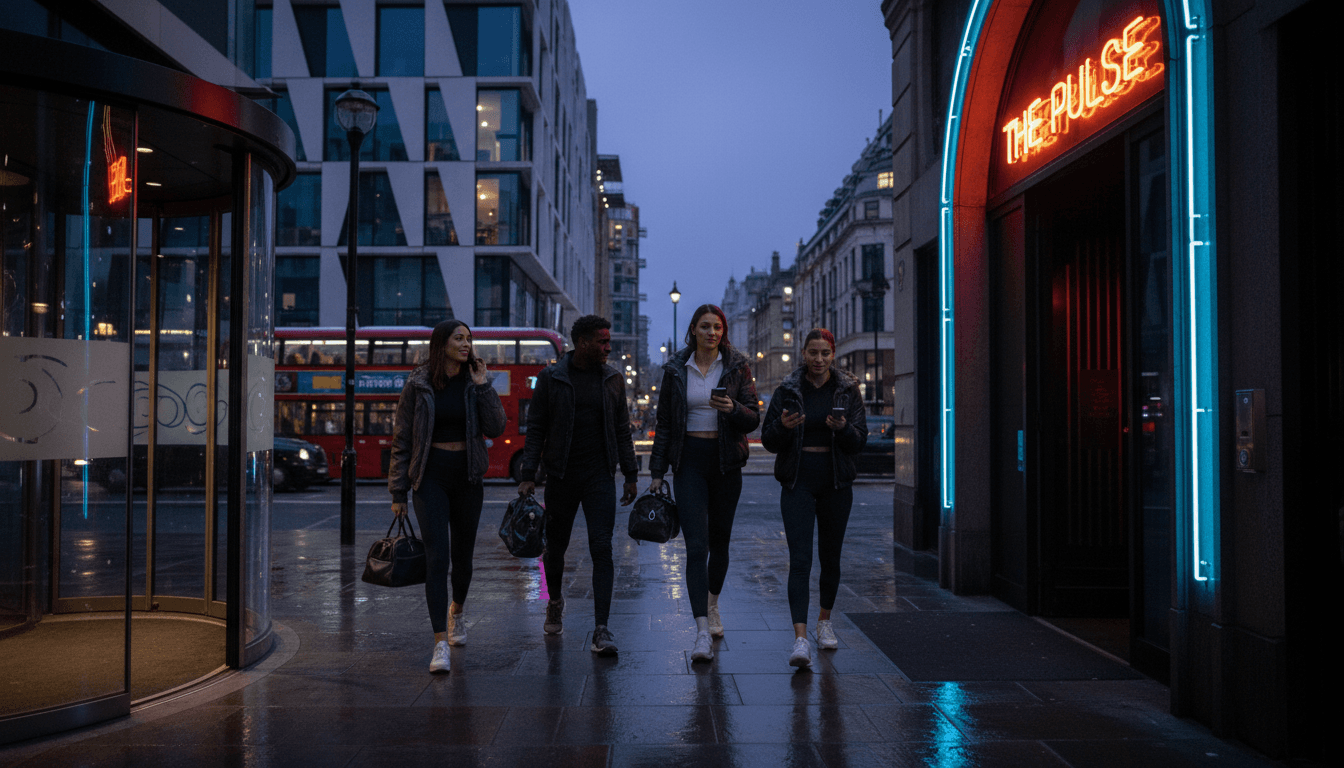
Under Armour’s latest Baselayer push flips that order. The campaign (covered by Campaign) leans into creator-led storytelling and a sports-to-party lifestyle arc, staged across all four corners of London. That’s not just a flashy activation. It’s a blueprint for how a brand turns a product into a social reason to care.
For the Startup Marketing United Kingdom series, this matters because UK founders are fighting for attention in a crowded feed—and performance marketing is getting less forgiving. Creator partnerships, lifestyle positioning, and real-world moments are how you earn attention you don’t have to keep buying.
What Under Armour’s launch gets right (and why it works)
Under Armour’s core move is simple: they didn’t market a baselayer as a garment, they marketed it as a transition. Sport to party. Training to nightlife. Sweat to social.
That’s clever because it reframes “baselayer” (a functional category) into a identity signal. If you’re a UK startup, the same principle applies: people don’t share features. They share stories that say something about who they are.
The campaign uses creators as the message, not the megaphone
Creators weren’t just a distribution channel. They were the proof that the product belongs in the real world—on real bodies, in real routines, with real taste. In 2026, audiences are numb to glossy brand posts. They still pay attention to credible people with a point of view.
Here’s the stance I’ll take: most startups treat creators like media buyers. They brief, pay, post, and move on. Under Armour’s style of approach is closer to casting—matching creators to a lifestyle narrative and letting the content feel lived-in.
London as a “four-corners” stage is smart distribution design
The article notes activity across all four corners of London. That isn’t just for buzz; it’s a practical way to:
- Seed content in multiple micro-scenes (fitness communities, nightlife pockets, culture hubs)
- Build the impression of a movement, not a one-off event
- Give creators distinct “chapters” to film, rather than everyone posting the same clip
For startups, the takeaway is: distribution is a design problem. Don’t ask “what channels should we post on?” Ask “what moments are people already showing off, and how do we belong there?”
How to apply “sport-to-party” positioning to a startup (even if you’re not fashion)
You don’t need a clothing line to learn from a lifestyle arc. You need a before/after story that maps to your customer’s life.
A good lifestyle positioning statement has three parts:
- The situation your customer is in (context)
- The shift they want (transformation)
- The identity they’re trying to express (status, values, taste)
Find your brand’s transition moment
Under Armour picked a relatable transition: gym → night out. Your startup can pick something equally real.
Examples for UK startups:
- Fintech: “payday chaos → calm money admin” (identity: organised adult)
- Meal prep / food: “workday slump → evening energy” (identity: high-functioning)
- Mobility / travel: “late train stress → confident city life” (identity: in control)
- B2B SaaS: “spreadsheet panic → board-ready reporting” (identity: competent leader)
A transition moment makes content easier because it creates natural scenes: before, during, after. Creators can film that without it feeling like an advert.
Make the product the supporting character
If your product is the hero, you’re forcing the audience to care about you. If the customer is the hero, you’re giving them a reason to keep watching.
A practical rule:
If your concept can’t be explained without listing features, it’s not a story yet.
Under Armour’s story doesn’t need fabric specs to make sense. The specs matter later, at the point of purchase.
Creator partnerships that actually generate leads (not just likes)
Creator-led doesn’t have to mean “top-of-funnel only.” For a leads campaign, you need a structure that turns attention into action.
Use a three-layer creator system
Most UK startups either go “one big influencer” or “lots of micro creators.” I’ve found a three-layer system is more predictable:
- Anchor creators (1–3 people): define the narrative and aesthetic
- Scene creators (10–30 people): own niche communities (run clubs, co-working, DJs, student creators)
- Customer creators (UGC): your users reposting, duetting, stitching, reviewing
This matters because anchors set taste, scene creators give you reach inside subcultures, and customer creators give you trust.
Brief outcomes, not scripts
If you want content that feels native, brief like this:
- The transition moment you’re capturing (sport → party equivalent)
- The feeling you want (confident, prepared, effortless—not “excited to partner with…”)
- The non-negotiable proof point (one product moment, one result, one demo)
Avoid writing the caption for them. You’ll get content that looks like an ad, and it’ll perform like an ad.
Add a lead capture mechanic that doesn’t kill the vibe
If your goal is leads, bolt on a conversion step that matches the story:
- Event waitlist (“next drop”, “next city”, “members night”)
- Creator-specific landing page with one offer (trial, sample, audit)
- Text-to-join at the event (QR is fine; friction matters more than format)
Keep it simple: one action, one benefit, one follow-up.
Building community through experiences (without burning your budget)
Under Armour used a creator-led party/experience to fuse sport and nightlife. Startups can do the same without hiring a massive production team.
The trick is to think in repeatable formats, not one-off stunts.
The “small, frequent, filmed” playbook
A lot of founders plan one big launch event and hope it carries the quarter. A better approach is:
- Small: 30–80 people (you can curate it)
- Frequent: monthly or fortnightly (compounds social proof)
- Filmed: design for content capture (angles, lighting, moments)
For London (and other UK cities), formats that work consistently:
- “Run club → coffee” or “gym class → DJ set” collabs
- Founder + creator roundtable (recorded in a nice space)
- Community challenges with an in-person finale
Measure what matters: content velocity + downstream intent
Don’t judge experiential marketing by “did we trend.” Judge it by:
- Content velocity: number of usable posts created within 48 hours
- Share rate: saves, sends, story reshares (often stronger than likes)
- Downstream intent: waitlist joins, demo requests, trial starts
A simple KPI set for a lean team:
- 25+ creator/community assets per event
- 2–4% landing page conversion from creator traffic (varies by offer)
- 15–30% open rate on event follow-up email (healthy baseline)
The strategy UK startups should steal: brand = behaviour
The big lesson isn’t “throw a party.” It’s that Under Armour treats brand as a set of behaviours people want to copy.
If you want stronger startup branding in the UK market, aim for this:
- Pick a lifestyle tension your customer lives with
- Stage a transition that resolves it
- Let creators show it, not explain it
- Give the audience a next step that feels like joining, not buying
That’s how you turn awareness into demand.
People Also Ask: quick answers for founders
Does creator marketing work for early-stage startups? Yes—if you use creators to demonstrate a real use case and collect leads (waitlist, trial, audit). Early-stage is actually ideal because you can build with the community.
Should I pay creators or offer gifting? Pay when you need reliability and deadlines. Gift when the product is genuinely desirable and the creator already fits your scene. Don’t expect consistent output from gifting alone.
What’s the biggest mistake startups make with lifestyle storytelling? They confuse “cool visuals” with a narrative. A story needs a clear transition: before → after, with a reason to care.
Where to start this month (a practical sprint)
If you’re reading this in February 2026, you’ve got a seasonal advantage: people are still in habit-change mode (fitness goals, new routines, fresh budgets). Use that energy.
Here’s a two-week sprint that mirrors the Under Armour logic:
- Define one transition moment (write it in one sentence)
- Recruit 8–12 creators across two scenes (e.g., wellness + nightlife, student life + career)
- Host one small event designed for filming (not for scale)
- Launch one lead offer tied to the event (waitlist, trial, limited drop)
- Follow up within 24 hours with a single next action
If you run this sprint twice, you won’t just “do creator marketing.” You’ll start building a brand people recognise.
The question to leave you with: what transition does your customer already live—and how can your startup become the ritual that gets them through it?