Milton’s new State Route 29 roundabout cuts congestion and boosts safety near Saratoga Springs. See why this is modern transport network improvement done right.
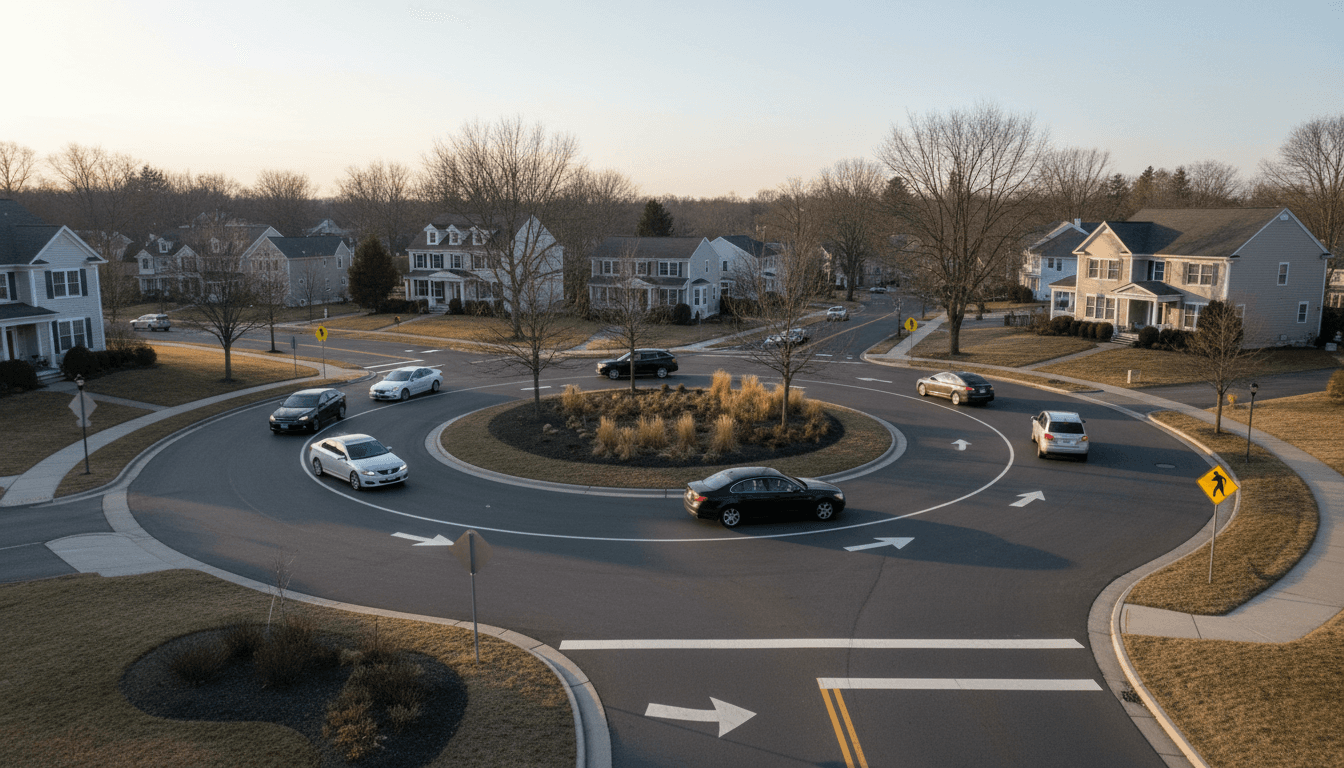
State Route 29 Roundabout: Safer, Faster Milton Travel
A $3.4 million intersection redesign in Milton, New York—less than three miles from downtown Saratoga Springs—just turned a familiar traffic choke point into a single-lane roundabout. That sounds small. It isn’t.
This kind of project is what transport network modernization looks like in real life: fewer conflict points, less idling, smoother access to jobs, homes, and the places people actually drive to (including Saratoga Race Course and Saratoga Performing Arts Center). In the Housing & Infrastructure Development series, I’m always looking for the infrastructure moves that improve daily life without requiring a decade-long mega-project. This is one of them.
The intersection of State Route 29 (Washington Street), Rowland Street, and Petrified Sea Gardens Road matters because it sits on an east–west corridor feeding Saratoga Springs and a north–south connector serving residential neighborhoods and the Saratoga County Airport. When that intersection works, the whole area works better—commutes, deliveries, emergency response, and weekend tourism traffic.
Why this roundabout is a transportation upgrade (not a beautification project)
A roundabout is a capacity and safety tool first, and a “nice streetscape” feature second. The key upgrade in Milton is replacing a four-way signalized intersection with a modern single-lane roundabout, which changes the math of how vehicles interact.
At a traditional four-way, you’re managing multiple crossing movements—where the worst crashes happen. At a roundabout, drivers merge and circulate at lower speeds. The result is straightforward: traffic keeps moving, and the most dangerous crash types largely disappear.
Here’s the sentence I wish more planning meetings started with: An intersection redesign can deliver quality-of-life gains every single day for years. That’s infrastructure ROI you can actually feel.
The safety logic: fewer conflict points, lower speeds
Roundabouts are engineered to reduce severe collisions because:
- Right-angle (T-bone) and head-on crashes are essentially eliminated by design
- Speeds are lower, so when crashes happen, they tend to be less severe
- Drivers make simpler decisions: yield, merge, circulate, exit
If you care about housing and community growth, safety at key junctions matters more than people think. Growing towns bring more trips—school drop-offs, contractor vans, rideshares, delivery trucks. A safer intersection is a silent partner in that growth.
The congestion logic: less idling, more throughput
Signals force stop-and-go even when there’s no cross traffic. A single-lane roundabout typically reduces unnecessary stopping by letting vehicles enter when there’s a safe gap.
That leads to:
- Less idling (a win for travel time and local air quality)
- More predictable flow during peak periods
- Better resilience when traffic volumes shift seasonally (Saratoga is a textbook example)
The NYS Department of Transportation highlighted this directly: the roundabout is intended to reduce congestion and keep traffic flowing along a corridor that serves residents and visitors daily.
The Saratoga County angle: connectivity drives economic activity
Good infrastructure isn’t just about shaving seconds off a commute. It’s about making a region easier to access—especially one with strong seasonal tourism and growing residential demand.
State Route 29 connects Milton neighborhoods to Saratoga Springs attractions and job centers. Rowland Street provides a local north–south connection and access toward the county airport. When that junction backs up, the delay ripples outward.
A roundabout at a “gateway” intersection does three important things for regional connectivity:
- Improves access to destinations people plan their trips around (events, venues, downtown)
- Reduces friction for local businesses and service providers (deliveries, trades, appointments)
- Supports housing growth indirectly by keeping daily mobility reliable as traffic volumes rise
And yes—this is exactly the kind of infrastructure modernization that pairs well with housing development. When a town grows, transportation demand rises immediately. If the road network can’t absorb that demand, the community feels “stuck” long before it runs out of building permits.
“The traffic seems to have doubled in volume because of the growth explosion we are facing.” —Milton Town Supervisor Scott Ostrander
That quote lands because it’s the lived experience behind the engineering.
Funding and delivery: what this project shows other communities
This project also illustrates a practical path for getting work done:
- Total project cost: $3.4 million
- Federal support cited: $1 million tied to the Bipartisan Infrastructure & Jobs Law
- Construction scheduling: managed to minimize disruption for summer visitors and avoid impacts on the Saratoga race season
I’m opinionated here: the public is far more supportive of infrastructure spending when projects are delivered with visible benefits and thoughtful phasing. Minimizing disruption isn’t “nice”—it’s how you keep trust.
Roundabouts and winter: the question everyone asks in December
It’s December 2025, and if you live anywhere near upstate New York, you’re already thinking about plows, slush, and visibility at 4:30 p.m. The winter question is fair: Do roundabouts work in snow?
Yes—when they’re designed and maintained properly.
What makes a roundabout winter-friendly
A modern roundabout can perform well in winter because the geometry encourages slower speeds and continuous movement, which can reduce the polished-ice effect you get from hard stops at signals.
Operationally, winter success usually comes down to:
- Clear lane markings and reflective signage that remain visible in low light
- Plowable curb design and maintenance plans (plow paths matter)
- Lighting and sight distance so yielding is comfortable even in messy weather
Drivers also benefit from one simple habit: approach slower than you think you need to. The whole point is controlled, predictable movement—not racing for a gap.
A quick “how to drive it” refresher (because new layouts take time)
If you don’t drive roundabouts often, the adjustment period is normal. What works:
- Slow on approach and look left for circulating traffic
- Yield to traffic already in the circle
- Don’t stop inside the roundabout unless you must
- Signal your exit (especially helpful for pedestrians and other drivers)
- Large vehicles may track wider—give them room
This is one of those cases where a little driver education pays off quickly. The DOT even produced a safety navigation video for this reason.
What “smart infrastructure” really means for housing and daily life
“Smart” infrastructure isn’t only sensors and apps. Often, it’s a design choice that reduces conflict, improves flow, and lowers operating costs over the asset’s life.
A single-lane roundabout checks all three boxes:
- Safety: fewer severe crash types, lower speeds
- Mobility: fewer forced stops, steadier throughput
- Operations: no electric-powered traffic signals at the intersection
That last point matters more than most people realize. Signals aren’t just poles and lights—they come with ongoing power use, maintenance, and occasional outages. Removing signals can reduce long-term operating complexity, which is a quiet win for taxpayers.
The “network effect”: why one intersection can change a whole corridor
Transportation networks behave like systems. Fixing one bottleneck can improve travel time reliability across multiple routes.
If you’re planning housing, siting a new school, or expanding a commercial area, you care about reliability. Residents don’t just ask, “How long is the drive on a perfect day?” They ask, “Will I be late twice a week because one junction locks up?”
That’s why intersection projects are underrated in the housing and infrastructure conversation. They often deliver outsized benefits per dollar compared to more visible (and more expensive) expansions.
A simple checklist for towns considering a roundabout
If your community is evaluating a roundabout as part of transportation modernization, here’s what I’d push for early:
- Traffic pattern analysis (including seasonal peaks and event surges)
- Truck and emergency vehicle turning templates (design it for real vehicles, not ideal ones)
- Pedestrian crossing design with refuge islands and clear sightlines
- Public communication before opening day (maps, videos, signage)
- Post-opening monitoring (speed, queuing, near-miss feedback)
Most communities get the outreach part wrong. People don’t resist roundabouts because they love red lights; they resist surprises. Good communication reduces that friction.
What happens next in Milton—and what other regions should copy
Milton’s new State Route 29 roundabout is a solid model for modern transport network improvement: targeted, evidence-based, and directly tied to safety and connectivity. It also reflects a broader reality across New York and the U.S.: growth is happening, and intersections are where that growth becomes either manageable or miserable.
If you’re a resident, the next step is simple: pay attention to how the corridor feels over the next few months—especially during winter conditions and the first major traffic spikes of the 2026 season. If you’re a planner, builder, or local official, treat this project as a case study in how to modernize without overbuilding.
The bigger Housing & Infrastructure Development question is the one we should keep asking in every growing community: Are we investing in the small network fixes that make new housing and new jobs function day-to-day—or are we waiting for congestion to force a much more expensive crisis response?