Small creative festivals can generate serious leads. Use All Flows in Milton Keynes as a blueprint for networking, content, and net-zero-friendly growth.
Small Festivals, Big Leads: Network Like a Pro in MK
Most solopreneurs waste money chasing “reach” when what they actually need is relevance.
A 200-person creative festival can beat a 2,000-person conference for one simple reason: you can have real conversations. And in 2026—when marketing is noisier, ads are pricier, and trust is harder to earn—in-person connection is a serious growth channel again.
That’s why the return of All Flows (13–15 May 2026 at MK Gallery, Milton Keynes) is more than a cultural diary date. It’s a case study in how UK solopreneurs can use local events to build visibility, generate leads, and support the broader Climate Change & Net Zero Transition agenda through community-first business.
Why smaller festivals outperform big conferences for solopreneurs
Small events drive better outcomes because they create repeat touchpoints—the real engine of trust.
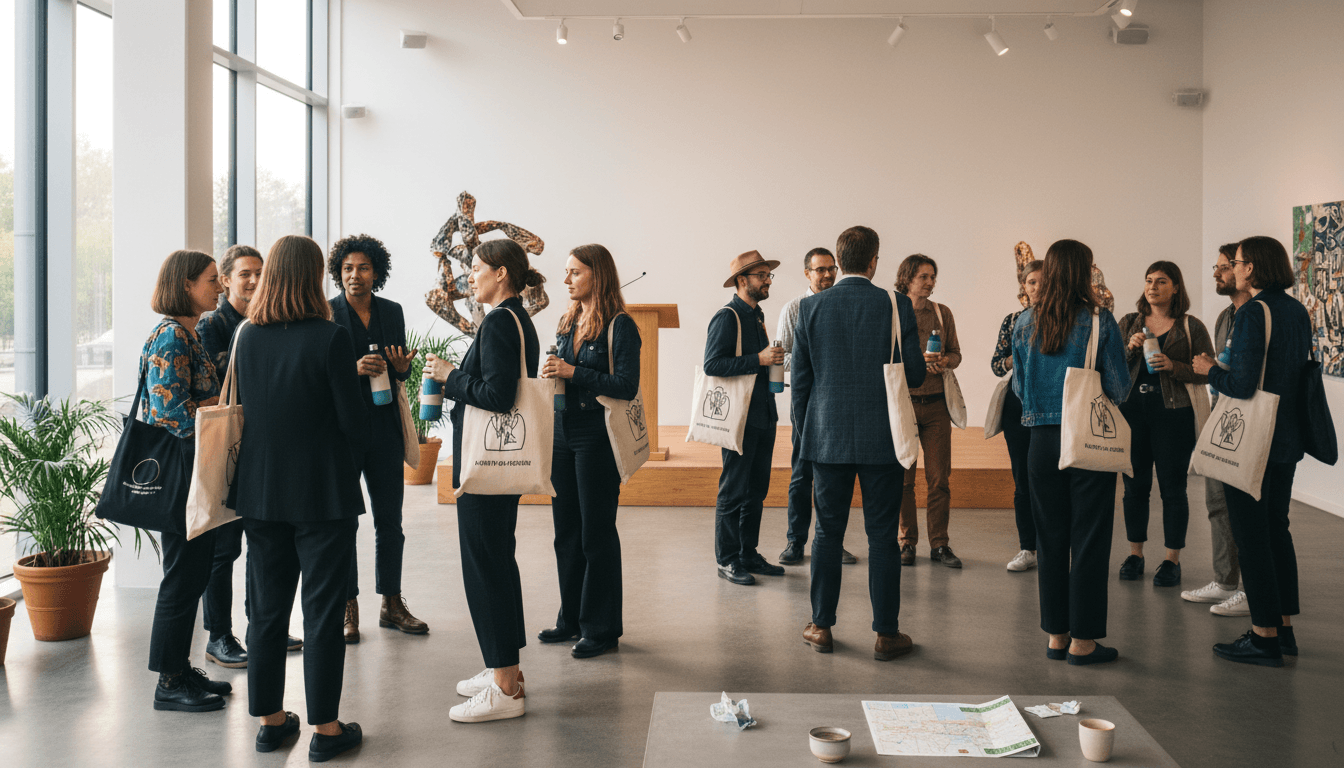
All Flows caps attendance at around 200 people, and the organisers intentionally design “space between talks” for conversation. That design choice matters more than the speaker list, because it changes the maths for networking:
- At a big conference, you might speak to 3–5 people properly.
- At a boutique festival, you can meet 15–30 people across three days—then see them again later that afternoon.
That second and third interaction is where opportunities form: referrals, collaborations, and the kind of low-pressure sales conversations that don’t feel like selling.
Depth beats breadth (and it’s not just a vibe)
If you’re a solo operator, your constraint isn’t ambition—it’s time and follow-up capacity.
A smaller event naturally filters for people who are willing to invest attention. You’re not competing with six stages, VIP lounges, and a thousand distracted LinkedIn scans. You’re in an environment where speakers stick around, attendees chat over lunch, and introductions actually happen.
“Intimacy trumps scale when it comes to meaningful creative connection.”
For solopreneurs, that’s not a slogan. It’s a lead-gen strategy.
All Flows as a lead-generation engine (without feeling salesy)
You don’t need a stand, swag, or a branded hoodie to get business from an event like this. You need a plan that respects the room.
All Flows is deliberately broad—photography, advertising, graphic design, motion, sound, materiality—so expect a mix of disciplines and industries. That’s useful because cross-disciplinary rooms create unexpected demand.
A motion designer meets a sustainability consultant. A studio founder meets a freelance producer. A photographer meets a brand strategist. These are the collisions that produce work.
The three lead types you can expect
Treat the festival like a pipeline builder. Your goal is to leave with three categories of leads:
- Direct buyers: people who can hire you within 30–90 days.
- Referral partners: adjacent specialists who can send you work.
- Signal boosters: people with audiences (community leads, founders, editors, organisers).
If you only look for direct buyers, you’ll miss the majority of long-term value.
A simple “no-cringe” conversation framework
Here’s what works when you’re meeting people in a creative environment:
- What are you working on this quarter? (Gets them talking about priorities)
- What’s been harder than it should be? (Surfaces pain without prying)
- If you could wave a wand, what would you fix first? (Reveals budget intent)
- Want me to send you one idea after the festival? (Permission-based follow-up)
This creates a natural reason to reconnect—without pitching in the moment.
Turn a ticket into a month of content (and improve your SEO)
The easiest way to make an event pay for itself is to treat it as content fuel.
Solopreneurs often struggle with consistency because “nothing happens” in a normal week. A festival fixes that. You’re surrounded by talks, people, and ideas—perfect raw material for:
- LinkedIn posts
- blog content
- short-form video
- newsletter issues
- portfolio updates
The “3 days, 30 days of marketing” content plan
Answer first: you can get 10–15 strong pieces of content from one festival if you capture notes intentionally.
Use this structure:
Before (7–10 days out)
- Post what you’re going to learn (and who you’re excited to hear)
- Share one business challenge you’re exploring (invites DMs)
During (each day)
- 1 short post: one idea + your opinion
- 1 photo carousel: venue + people (ask before tagging)
- 3 quick notes in your phone: surprising quotes, tactical tips, moments
After (next 2–4 weeks)
- 1 blog post: “What I learned” (optimise for a long-tail keyword)
- 1 case-study style post: how you applied one insight
- 1 resource post: tools/books/speakers worth following
For the Climate Change & Net Zero Transition series, you can angle this content toward practical sustainability:
- low-carbon creative production
- sustainable transport choices for events
- the role of community arts in behaviour change
- green jobs and the creative economy
You’re not forcing the theme—you’re connecting creative work to real-world impact.
Quick SEO wins from one event
If your goal is leads, SEO isn’t about chasing huge keywords. It’s about being the obvious answer for specific searches.
Examples of natural long-tail phrases you can build around:
- “creative festival Milton Keynes May 2026”
- “UK boutique creative festival networking tips”
- “how to network at creative events as a freelancer”
- “sustainable creative business UK”
One strong post can bring warm traffic for months—especially if it’s tied to a specific annual event.
The net-zero angle: why local creative events matter
Local events aren’t just good for business; they’re aligned with net-zero goals because they can reduce travel emissions and strengthen local supply chains.
All Flows is positioned as accessible: around 30 minutes from London, 55 minutes from Birmingham, and 90 minutes from Manchester, with affordable accommodation nearby. That matters because it increases the odds people will choose rail over flights and make shorter trips.
What solopreneurs can do to make events more sustainable
Answer first: you don’t need a sustainability department to reduce your footprint—just better defaults.
If you’re attending (or speaking), consider:
- Choose train travel where possible and build it into your schedule
- Bring reusable essentials (bottle, cup) and skip disposable merch
- Prioritise digital follow-up (QR codes, not paper handouts)
- Ask venues about waste and catering if you’re involved in organising
- Work with local suppliers for photography, print, or production
These choices are small individually. Together, they’re part of what “net zero transition” looks like at ground level: normal people making better trade-offs.
Milton Keynes has a stronger culture story than people assume
All Flows’ founders are vocal about Milton Keynes being more than “roundabouts and concrete cows.” The city’s history includes community arts initiatives and radical urban design thinking—exactly the kind of civic experimentation the UK needs more of as we redesign systems for resilience.
Here’s my stance: net zero isn’t only an engineering project. It’s a cultural project. Events like this help shape what people value, fund, and build.
A practical checklist: how to go from “nice chats” to booked work
You don’t need to be extroverted. You need a follow-up system.
Your 48-hour follow-up
Answer first: follow-up within 48 hours because context fades fast.
Send short messages to 8–12 people:
- remind them where you met
- mention the specific thing you discussed
- offer one helpful link or idea (not a pitch)
- ask a simple question to keep the thread alive
Example you can adapt:
“Great meeting you at All Flows—loved your point about the rebrand rollout. I had a thought on a low-lift way to test the new messaging. Want me to send it over?”
Your 2-week conversion plan
Pick 3 people and propose something concrete:
- a 20-minute call to swap notes
- an introduction to someone relevant
- a mini-audit (paid or free, but defined)
- a collaboration idea with a clear outcome
Solopreneurs win by being specific. Vague offers (“let’s keep in touch”) rarely turn into revenue.
People also ask: “Do events still work for lead gen in 2026?”
Yes—if you stop treating them like a one-off day out.
Events work when you:
- show up with a niche and a point of view
- capture content as you go
- follow up fast
- turn conversations into next steps
All Flows’ format (intimacy, time between talks, speakers who stay) makes that easier than most.
What to do next (if you want leads, not just inspiration)
If you’re serious about business growth this spring, pick one event where the room matches the work you want—and commit to doing it properly.
All Flows (13–15 May 2026) is built around connection over scale, hosted at MK Gallery in Milton Keynes, and designed to keep speakers and attendees in the same orbit long enough for relationships to form.
If your 2026 plan includes building a more resilient business—financially and ethically—this is a smart way to do it. Local community, stronger collaboration networks, and a lighter travel footprint is exactly the direction the UK net zero transition needs.
When you look back at May, will you remember another month of posting into the void—or the week you met the people who changed your pipeline?