See how a pineapple tart vending machine in Tampines hints at AI-driven retail: smarter demand forecasting, inventory planning, and customer engagement.
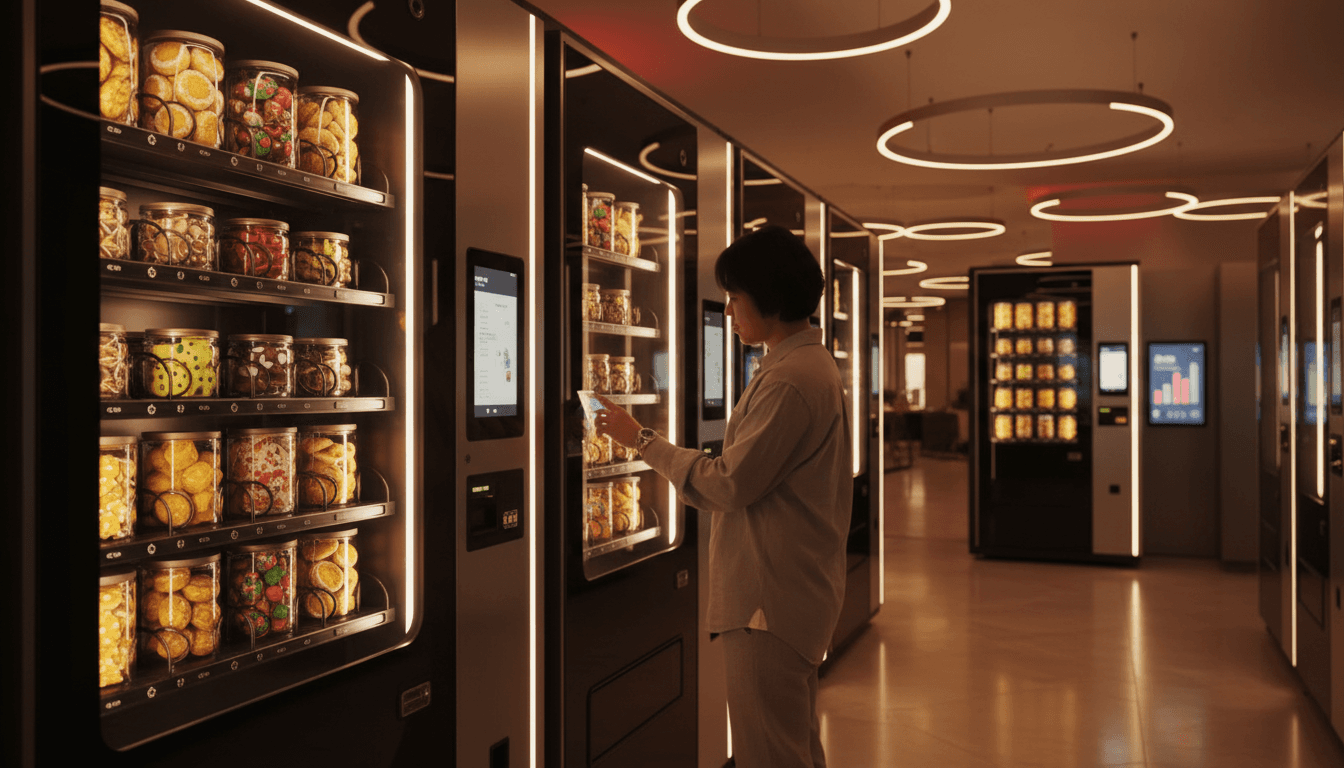
AI Vending Machines for CNY Treats: A Singapore Playbook
Chinese New Year (CNY) in Singapore isn’t just a celebration—it’s a predictable retail spike. Demand compresses into a short window, pre-orders close early, and people who were “fine” last week suddenly need three jars of pineapple tarts by tonight.
That’s why the new pineapple tart vending machine at Our Tampines Hub (stocked with handmade goodies via Two Bakers’ partnership with Hypha Provisions) is more than a cute seasonal idea. It’s a real example of automation in retail solving a high-friction problem: last-minute demand, limited manpower, and the constant headache of rent.
This post is part of our “AI dalam Peruncitan dan E-Dagang” series—where we look at how AI enables ramalan permintaan (demand forecasting), pengurusan inventori (inventory management), and personalised marketing for Singapore retailers. The reality? A vending machine is already an “operations tool”. Add AI on top and it becomes a mini 24/7 retail channel that can learn, predict, and sell smarter.
Why a pineapple tart vending machine is a serious business move
Answer first: A vending machine gives SMEs a low-overhead retail footprint, and for festive peaks like CNY, it’s a practical alternative to pop-ups or short-term leases.
Two Bakers operated for 11 years in Lavender before shutting its physical café in August 2025, citing rising rental costs and lower footfall. That story is familiar across Singapore. Rent is a fixed cost; demand is not.
A vending “alley” like the one at Our Tampines Hub flips the model:
- 24/7 availability without staffing shifts
- Impulse-friendly placement (basement mall traffic, near escalators)
- Consistent pricing with online channels (no “last-minute markup”)
- Fast deployment for seasonal windows (CNY, Hari Raya, Christmas)
In the CNA story, the Two Bakers machine sells:
- Pineapple Tarts: S$28 (530g)
- Pineapple Balls: S$28 (530g)
- Hazelnut Butter Cookies: S$26.80 (330g)
- Orange Earl Grey Cookies: S$26.80 (330g)
The operational detail that matters: restocking at least twice a week. That’s already inventory planning—just not yet AI-driven.
The hidden “AI readiness” in vending
A modern vending machine isn’t a dumb box. It already captures data that many small retailers struggle to track cleanly:
- Time/day sales patterns
- SKU-level velocity (what sells fastest, what stalls)
- Stockouts (and when they happen)
- Payment method mix (card, wallet, etc.)
If you can reliably collect these signals, you can use AI tools to make better decisions: how much to bake, when to restock, and which SKU to push.
Where AI fits: from automation to smarter retail decisions
Answer first: AI turns vending from “convenient” into “predictive”—forecasting demand, optimizing inventory, and improving customer engagement.
In AI dalam peruncitan dan e-dagang, the biggest wins usually come from three boring (but profitable) areas:
- Ramalan permintaan (demand forecasting)
- Pengurusan inventori (inventory management)
- Personalised marketing (customer-level targeting)
A CNY vending setup touches all three.
1) AI demand forecasting for festive spikes
CNY demand isn’t random; it’s seasonal and location-based.
For example, a machine at Tampines (high residential density, family-heavy traffic, big transport interchange) will behave differently from one in the CBD. AI forecasting models can incorporate:
- Historical festive sales by day (e.g., T-21 to T-1 before CNY)
- Day-of-week effects (weekend surges)
- Weather proxies (rain reduces walk-by purchases)
- Local events (stadium events at Our Tampines Hub)
Even a lightweight approach works: start with moving averages and upgrade to ML forecasting once you have enough weeks of data.
Practical takeaway: If you’re still restocking “by feel”, you’ll either waste product (overbake) or lose sales (stockouts). AI is how you stop guessing.
2) Inventory optimization: reduce stockouts without overproduction
Perishables and fragile goods (like crumbly pineapple tarts) create extra risk. You want stock on hand, but you don’t want unsold jars sitting too long.
AI-driven inventory rules can be simple and effective:
- Reorder points by SKU based on daily sales rate
- Dynamic safety stock (higher during peak weekends)
- Auto-alerts when stock hits a threshold
- Expiry-aware replenishment (FIFO with time limits)
And because vending is 24/7, the cost of a stockout is bigger than it looks. A sold-out slot at 10pm isn’t just one lost sale—it’s the lost chance to win a repeat buyer who was impressed you were open late.
“A vending machine doesn’t just sell product. It sells reliability.”
3) Customer engagement: personalization without being creepy
Vending machines feel anonymous—but that’s also their advantage. You can still personalize marketing ethically via:
- QR codes on jars for opt-in memberships
- Post-purchase flows (WhatsApp/email with consent)
- SKU recommendations based on what they bought (cookies → tart add-on)
- Time-based offers (e.g., “Restock drop at 4pm” style messaging)
Hypha Provisions already runs a curated mix (Two Bakers, Butter Town shio pan, Hiap Joo banana cake, panna cotta cups, even PointyRice stickers). That’s a built-in cross-sell environment.
AI use case: automate segmentation so customers who bought “giftable jars” get corporate bundle suggestions, while “late-night snackers” get small-pack promos.
A Singapore SME playbook: how to launch an AI-enabled vending channel
Answer first: Treat vending as an “offline e-commerce” channel—instrument it like a webshop, then apply AI tools to pricing, stock, and retention.
If you run a bakery, snack brand, D2C food label, or even non-food merch, here’s what works in Singapore.
Step 1: Start with one location and one purpose
Don’t overexpand too early. One machine can be used to test:
- Product-market fit (which SKUs move in which estates)
- Packaging durability (fragile goods need gentler delivery)
- Operational cadence (restocking schedule)
Two Bakers’ vending execution includes a “gentle” dispensing mechanism to protect jars—small detail, big difference. For any premium product, customer experience is part of the brand.
Step 2: Design the data you want before you “need” it
Most SMEs regret this later: they have sales, but the data is messy.
At minimum, make sure you can track:
- SKU, timestamp, price
- Machine/location ID
- Stock level before/after restock
- Stockout events
- Refunds/errors (payment/dispense issues)
This is the dataset you’ll feed into forecasting, inventory optimization, and campaign measurement.
Step 3: Add AI tools in layers (don’t boil the ocean)
You don’t need an enterprise AI program. Start small:
- Forecasting: weekly demand prediction by SKU
- Restock planning: recommended restock quantity + timing
- Promo optimization: test small discounts or bundles during slow hours
- Retention: simple “buy again” reminders based on purchase cycles
A good rule: automate decisions that happen repeatedly (restock alerts, reorder points, customer reminders). Keep strategic choices human.
Step 4: Use festive peaks to build non-festive recurring revenue
The CNA piece notes that after CNY, the vending machines will continue with non-festive treats.
That’s the smart move. Festive spikes are expensive to acquire customers (competition is intense), but they’re great for introducing your brand.
Convert CNY buyers into repeat customers via:
- A post-CNY “thank you” offer
- Limited monthly drops (small-batch flavors)
- Corporate gifting catalogs (especially after buyers ask, “Can send to clients?”)
Common questions business owners ask (and direct answers)
“Is vending only for cheap snacks?”
No. Premium works if the packaging is solid, dispensing is gentle, and the product story is clear. Two Bakers’ handmade positioning (Australian butter, house-made Thai pineapple jam) supports premium pricing.
“Will AI replace my staff?”
Not in the way people fear. AI replaces guesswork and repetitive admin. Your team still owns product quality, brand, and relationships. The goal is fewer crises: fewer stockouts, fewer wasted bakes, fewer last-minute firefights.
“What’s the biggest risk?”
Stockouts and stale inventory. Both are fixable with better data and simple forecasting. The second risk is channel conflict—make sure your online and vending pricing strategy doesn’t confuse customers.
What this means for AI in Singapore retail (especially in 2026)
Answer first: Singapore retail is moving toward distributed, automated “micro outlets,” and AI is the layer that keeps them profitable.
In 2026, consumers expect convenience as the baseline: late hours, fast payment, minimal friction. Vending meets that expectation. But the margin and sustainability come from what happens behind the scenes—forecasting, inventory accuracy, and retention.
If you’re a local brand squeezed by rent or manpower, you don’t need to “go big” with a new storefront. You need a channel that’s measurable, scalable, and resilient during peaks like CNY.
The pineapple tart vending machine at Tampines shows the direction: tradition on the outside, automation underneath. Add AI tools and you get a system that learns each festive season and gets sharper every year.
If you’re thinking about an AI-enabled retail setup—vending, pop-up automation, or data-driven inventory planning—start by mapping your demand spikes (CNY, Hari Raya, Deepavali, Christmas, year-end gifting). Then decide what you want to predict, what you want to automate, and what you want to keep human.
Because the businesses that win the next festive rush won’t be the loudest. They’ll be the ones that stay in stock.
Landing page URL: https://www.channelnewsasia.com/dining/pineapple-tart-vending-machine-tampines-hub-5908811