ShopeeFood’s GMV surge is a wake-up call for SMEs. Learn how AI demand forecasting, smarter fulfilment, and platform-ready marketing protect margins and growth.
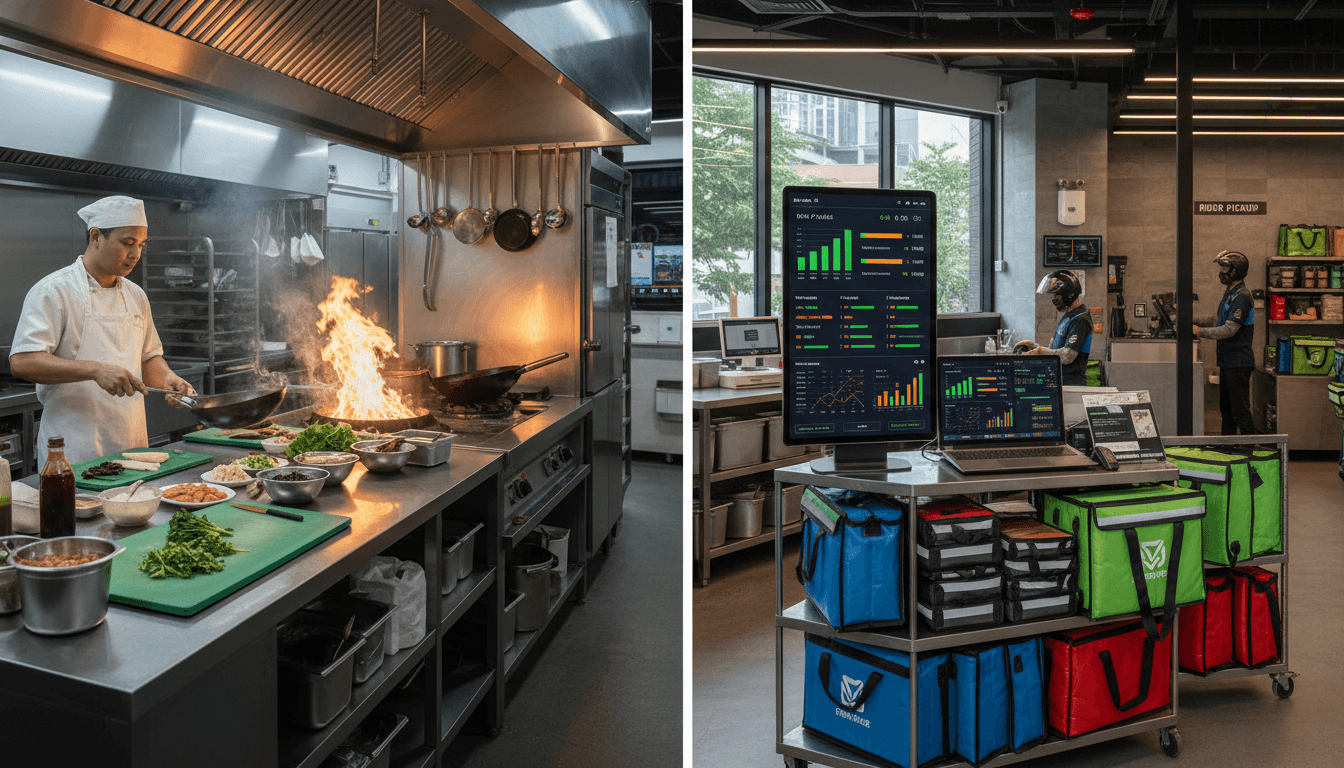
ShopeeFood’s Rise: SME Playbook for Delivery Growth
ShopeeFood overtaking Foodpanda in GMV isn’t just a “delivery app” story. It’s a supply chain story—specifically, how ecosystems win when they can predict demand, move inventory, and acquire customers cheaper than everyone else.
If you run an SME in Singapore (especially F&B, retail, or any business that depends on fast fulfilment), this matters because the delivery market is consolidating. When platforms consolidate, they don’t just change consumer behaviour. They change your margins, visibility, and negotiating power.
I’ve found most SMEs react to this kind of shift by scrambling for more vouchers or “posting more on Instagram.” That’s the expensive way. The smarter way is to treat platforms like ShopeeFood as a signal: the winners are building AI-assisted logistics and demand engines behind the scenes, then using marketing to amplify that advantage.
What ShopeeFood’s takeover really signals in SEA
ShopeeFood’s GMV lead over Foodpanda (as reported by e27) points to a clear pattern across Southeast Asia: food delivery is no longer a standalone category—it’s an ecosystem feature.
When a platform can bundle:
- Discovery (search + recommendations)
- Checkout (payments + stored credentials)
- Loyalty (coins, vouchers, tiered rewards)
- Fulfilment (rider network + batching)
- Merchant tools (ads, promos, insights)
…it can grow faster with lower acquisition costs.
The uncomfortable truth for merchants: platforms are becoming “demand orchestrators”
Delivery platforms used to be order routers. Now they shape demand—what gets surfaced, what gets discounted, what becomes “popular,” and what quietly disappears.
That shift connects directly to our “AI dalam Logistik dan Rantaian Bekalan” series: the competitive edge isn’t only branding. It’s AI-driven routing, forecasting, and allocation, because these decide whether your orders arrive on time, whether you can keep up during spikes, and whether you can profitably run promos.
Snippet-worthy take: In 2026, delivery competition is less about riders and more about prediction—who forecasts demand better wins the customer and the margin.
Why ecosystems beat “single-purpose apps” (and how SMEs can respond)
Ecosystems win because they can subsidise growth using adjacent profit pools—payments, marketplace ads, or even cross-selling from e-commerce into food. Shopee is built for this. In practice, it means:
- More traffic: Shopee already owns user attention in shopping.
- Cheaper retargeting: platform-owned data reduces ad waste.
- Faster experimentation: vouchers, bundles, flash deals get tested daily.
For SMEs, the response shouldn’t be “avoid platforms.” Realistically, you can’t. The response is to reduce dependency risk and improve your unit economics.
3 dependency risks SMEs should plan for now
- Visibility risk: ranking changes can cut sales overnight.
- Margin risk: commission structures and promo requirements tighten in consolidated markets.
- Data risk: platforms see your customers first; you see an order ID.
A practical stance I recommend: treat platforms as paid acquisition channels, not as “your business.” Your business is the customer relationship and the supply chain that fulfils it.
The AI + logistics layer: what ShopeeFood-style growth teaches SMEs
E27’s headline is about GMV, but the engine underneath is operational: fulfilment speed, reliability, and conversion.
Here’s how that maps to SME actions using AI dalam logistik dan rantaian bekalan principles.
Demand forecasting (AI ramalan permintaan) to stop bleeding margin
Most SMEs guess demand using “feel” and last week’s sales. That works until:
- lunch spikes on rainy days
- payday weekends surge
- Chinese New Year / Ramadan / school holidays shift buying patterns
In Singapore, seasonality isn’t just festive. It’s also micro-seasonal: office footfall, events, and even platform campaign days.
What to do (SME-friendly):
- Build a simple forecast using the last 8–12 weeks of sales by day/time.
- Add external signals you can actually access: payday weekends, public holidays, platform campaign days.
- Use forecasting outputs to set:
- prep quantities
- staffing
- promo caps (so discounts don’t bankrupt you)
If you already use POS tools or Google Sheets, you’re not far from a workable forecasting model. The “AI” here can be as simple as automated trend + seasonality forecasting inside your analytics stack.
One-liner: Promos don’t fix demand; they amplify it—so forecast first, discount second.
Route and batch optimisation (AI pengoptimuman laluan)
Even if you don’t manage riders yourself, batching impacts you:
- late deliveries = refunds, lower ratings, fewer repeats
- cold food = lower conversion next time
Platforms optimise for their network. You should optimise for your product integrity.
What to do:
- Design a delivery menu: items that travel well, separate from dine-in favourites.
- Use prep-time rules: pause items with long cook times during spikes.
- Set packaging standards and handoff process (labeling, sealing, staging) to reduce rider waiting time.
This is supply chain optimisation at micro scale. The best SMEs treat the pickup counter like a mini-warehouse.
Inventory and procurement planning (automasi rantaian bekalan)
When competition heats up, platforms push more campaigns. Campaigns create artificial spikes. If you don’t plan procurement, you’ll either:
- stock out (lose ranking + lose customers)
- overbuy (waste + spoilage)
What to do:
- Identify your top 10 ingredients by revenue contribution.
- Set minimum stock thresholds based on forecasted campaign days.
- Use a weekly procurement rhythm tied to your forecast, not intuition.
This is where AI helps most: turning noisy order data into a stable procurement plan.
Digital marketing lessons SMEs can steal from ShopeeFood
ShopeeFood’s growth is tightly coupled with digital distribution. For SMEs, that means your marketing should be designed around conversion paths that platforms reward.
1) Make your platform listing a conversion funnel, not a menu
Most listings are “photos + random item names.” That’s a waste.
Fix your funnel basics:
- Hero SKU first: your best-seller with the clearest value proposition
- Bundles with margin: set bundles that increase AOV without doubling labour
- Photos designed for thumbnails (high contrast, tight framing)
- Clear naming for search intent (“Chicken Rice Set”, not “Signature No.1”)
Platforms are search + recommendation engines. Help them categorise you correctly.
2) Use promos with guardrails (profit-first)
Subsidy wars are easing across SEA; platforms want healthier economics. SMEs who rely purely on discounts will get squeezed.
Guardrails that work:
- Cap voucher redemptions per day
- Restrict discounts to bundles or off-peak slots
- Measure contribution margin per order, not just sales
3) Build a first-party loop outside platforms
This is the lead-generation angle many SMEs miss. Even if you can’t extract customer data from platforms, you can still earn permission.
Tactics that don’t feel spammy:
- Include a QR card in every order: “Get a free add-on for your next direct order”
- Push customers to WhatsApp broadcast or email (with consent)
- Offer corporate/bulk ordering via a simple landing page
If platforms change tomorrow, your first-party list is what keeps cashflow steady.
A practical 30-day plan for Singapore SMEs (F&B + delivery)
If you want something you can implement this month—without hiring a data team—use this.
Week 1: Data and baselines
- Export last 60–90 days of orders (by day/time, AOV, top SKUs)
- Track 3 baseline metrics:
- AOV (average order value)
- contribution margin per order (after platform fees + packaging)
- repeat rate proxy (orders/day trend + rating trend)
Week 2: Forecast + operations
- Build a simple demand forecast by weekday + time block
- Set staffing and prep targets
- Create a delivery-only menu with 5–12 items max
Week 3: Listing optimisation + bundles
- Re-photograph top 5 SKUs for thumbnail performance
- Launch 2 bundles:
- “Solo set” (higher margin than single item)
- “2 pax bundle” (push AOV)
Week 4: First-party capture + automation
- Add QR inserts and a WhatsApp opt-in offer
- Set an automated message sequence:
- order thank-you
- feedback request
- next-order incentive (direct or pre-order)
The reality? This kind of system is what makes you resilient in a consolidated platform market.
Where this goes next: TikTok, “feed-led” demand, and tighter delivery economics
Across SEA, discovery is shifting from search-led to feed-led (TikTok-style). That means demand becomes more volatile—spikes are sharper, trends fade faster, and planning gets harder.
So the SMEs who win won’t be the ones posting the most. They’ll be the ones with:
- fast content feedback loops (creative testing)
- AI ramalan permintaan to plan spikes
- strong fulfilment processes to protect ratings
- a first-party base to reduce platform risk
If ShopeeFood’s takeover tells us anything, it’s that the next delivery winners are built like supply chain companies with marketing teams, not the other way around.
What’s your business doing today to become less dependent on platform rankings—and more dependent on your own demand and fulfilment engine?