Rwanda’s EV surge is about trust and support. See why BYD by CFAO stands out—and how AI fintech and mobile payments can power EV adoption.
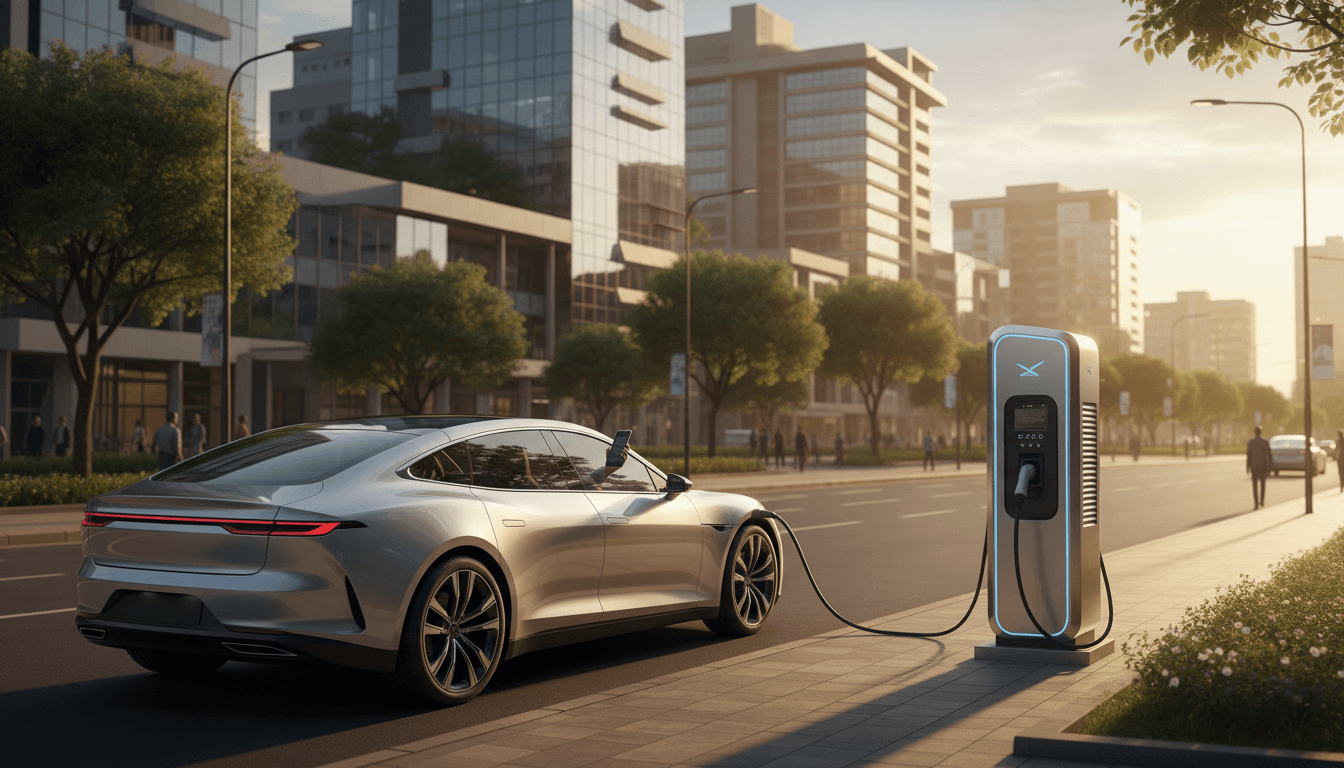
Rwanda’s EV Surge: Trust, Payments, and the BYD Factor
Kigali’s EV conversation has shifted from “nice idea” to “practical decision.” The signal isn’t just more electric cars on the road—it’s the kind of questions people now ask: battery warranty, charging support, resale value, and whether the seller will still answer your call two years from now. That’s what a market looks like when it’s moving from early adopters to everyday buyers.
The New Times recently framed this shift with a clear stance: “Rwanda’s EV Market Surges—Why BYD by CFAO Is the Only Safe Choice.” Even from the short RSS summary, the core claim is straightforward: as EVs accelerate, BYD—through CFAO Mobility Rwanda as the official and exclusive partner—positions itself as the trusted route.
Here’s why this matters to our series on “Uko AI Ihindura Urwego rwa Fintech n’Ubwishyu Bukoresheje Telefoni mu Rwanda.” EV adoption and mobile payments grow for the same reason: people don’t adopt technology because it’s fancy; they adopt it because it’s reliable, supported, and easy to pay for. When the product is expensive and long-term (like a vehicle), trust becomes the real “feature.”
Rwanda’s EV surge is really a trust surge
Rwanda’s EV growth is a story about confidence: confidence that charging won’t be a daily headache, that servicing exists locally, and that ownership costs will make sense over time. When that confidence rises, adoption follows.
What’s pushing EV adoption right now
A few forces tend to show up together in markets like Rwanda’s:
- Total cost of ownership pressure: Fuel prices are volatile; electricity costs are more predictable. Businesses notice.
- Urban driving patterns: Many Kigali routes are short, repeatable, and ideal for EV range.
- Policy direction and investor interest: Clean mobility is no longer niche; it’s part of national modernization.
The reality? An EV purchase is not just a car purchase—it’s a service relationship. Buyers are effectively choosing an ecosystem: warranty terms, spare parts availability, software updates, and quality of after-sales.
Why “official and exclusive” matters in EVs
When a brand is represented by an official, exclusive partner, it reduces common risks:
- Unclear warranty coverage
- Counterfeit or incompatible parts
- No certified technicians
- No standardized pricing for servicing
- Weak accountability when issues arise
That’s why the RSS headline hits a nerve: safety in EV buying is often about who stands behind the product.
Why BYD by CFAO Mobility Rwanda is positioned as the “safe choice”
“Safe choice” can sound like marketing unless it maps to real buyer anxieties. In EVs, those anxieties are very specific—and they’re expensive if you get them wrong.
The EV risks buyers worry about (and how official partners reduce them)
1) Battery uncertainty The battery is the most valuable component in an EV. Buyers want clarity on degradation expectations, warranty terms, and what happens if a module fails.
2) Service capability EV servicing isn’t the same as internal combustion servicing. Diagnostics, high-voltage safety procedures, and software tools matter.
3) Parts and downtime Fleet operators care less about “cool features” and more about downtime. A missing part can park a vehicle for weeks.
4) Resale value Resale depends on buyer confidence in battery health checks, service history, and the availability of authorized support.
An official channel like CFAO Mobility Rwanda representing BYD doesn’t magically remove every issue—but it typically means there is a defined process for warranty, servicing standards, and escalation. That’s what “safe choice” should mean in practice.
A useful rule: In an EV purchase, the dealer relationship is part of the product.
EVs and fintech in Rwanda are growing for the same reason: predictable experiences
Rwanda’s fintech rise—especially ubwishyu bukoresheje telefoni (mobile payments)—didn’t happen because people love apps. It happened because paying became faster, more consistent, and more widely accepted.
EV ownership has the same adoption pattern:
- If charging and service are predictable, EVs feel “normal.”
- If payment options are simple (installments, recurring payments, fleet accounts), EVs become accessible.
- If support is reachable and accountable, people trust the switch.
This is where AI in fintech fits naturally.
Where AI actually helps: reducing friction, not adding buzzwords
In our topic series, we keep coming back to a practical point: AI is useful when it cuts steps and reduces uncertainty. Here’s how that connects to the EV surge.
AI-powered credit scoring for EV financing Many potential EV buyers can afford monthly payments but struggle with traditional lending requirements. Fintech lenders can use AI models (with responsible governance) to assess affordability using cashflow patterns from mobile money or merchant activity.
Fraud prevention for high-value transactions An EV down payment is a prime target for scams. AI-driven risk engines can flag suspicious payment behavior, account takeovers, and abnormal transaction patterns.
Customer support that doesn’t waste time EV buyers ask repetitive but important questions: warranty terms, service intervals, charging guidance, what to do in specific error codes. AI assistants can handle first-line support—as long as escalation to a human is easy.
Billing and subscription management Charging, fleet management, maintenance packages—these are recurring services. AI helps fintech providers reduce failed payments, predict churn, and tailor reminders to the right time and channel.
The convergence: EV ownership will push mobile payments into new habits
EVs don’t just change what’s on the road. They change how money moves.
Payments that grow around EVs
As EV adoption increases, these payment behaviors tend to expand:
- Charging payments through mobile money or bank-to-wallet options
- Maintenance and service payments via digital invoices
- Fleet accounts with consolidated monthly billing
- Insurance payments bundled into monthly ownership costs
- Buy-now-pay-later or installment plans for batteries, chargers, or service packages
If you’re building fintech products in Rwanda, EVs are a real opportunity: a new category of high-frequency, high-trust transactions.
A practical example: how a fintech could package EV-friendly payments
A strong EV-fintech offer doesn’t need to be complicated. Here’s a clean bundle that I’ve found resonates in similar markets:
- EV deposit wallet: a dedicated wallet goal for saving a down payment, with automated rules.
- Installment plan: monthly payments with transparent fees and early payoff options.
- Service plan payments: optional add-on for scheduled maintenance.
- Charging spend dashboard: monthly summaries, station categories, and alerts.
The win is trust: the buyer sees predictable costs and feels in control.
What “safe choice” should mean for fintech too
The BYD-by-CFAO framing is a reminder for fintech teams: you don’t win by being available; you win by being dependable.
A checklist for trusted mobile payments and fintech (borrowed from EV logic)
If your fintech product supports EV buyers, EV fleets, or just the broader mobile-first economy, these are the standards that matter:
- Clear pricing: no hidden fees, no confusing tiers.
- Fast dispute resolution: humans reachable, timelines defined.
- Strong agent/merchant support: consistent availability and training.
- Security you can explain: what happens when a phone is stolen? how do you recover an account?
- Reliable uptime: failed payments destroy confidence faster than bad marketing.
People don’t abandon fintech because of one bug. They abandon it because they stop trusting it.
People also ask: practical EV + fintech questions in Rwanda
“Should I buy an EV now or wait?”
If your daily driving is predictable and you have access to charging (home, workplace, or nearby), buying now can make sense. If charging access is uncertain, fix that first—EV convenience depends on it.
“What makes an EV purchase ‘safe’ in Rwanda?”
A safe EV purchase is defined by warranty clarity, authorized servicing, genuine parts availability, and accountability. The seller’s support system matters as much as the vehicle specs.
“How can mobile payments help EV adoption?”
Mobile payments reduce friction: deposits, installments, charging, service plans, and insurance all become easier when payment rails are familiar and widely accepted.
“Where does AI fit into mobile payments for EV users?”
AI helps most in risk management, affordability assessment, and customer support automation—the parts that remove delays and reduce uncertainty.
The next step: build the rails people can trust
Rwanda’s EV surge is a strong signal: the country adopts modern tech quickly when it’s packaged as a reliable, supported experience. BYD’s positioning through CFAO Mobility Rwanda taps directly into that truth—buyers want a clear channel, not a guessing game.
For fintech builders and businesses selling through mobile payments, the lesson is blunt: trust is the product. AI can help, but only if it makes transactions safer, support faster, and costs more predictable.
If you’re working on fintech or mobile payments in Rwanda—especially products aimed at big-ticket purchases like vehicles—what would it take for a customer to say, “This is the safe choice” about your payment experience too?