Bangladesh-Japan EPA se trade policy ka power move samjhein—aur dekhein Pakistan mein AI kaise exports, quality aur compliance ko faster bana sakti hai.
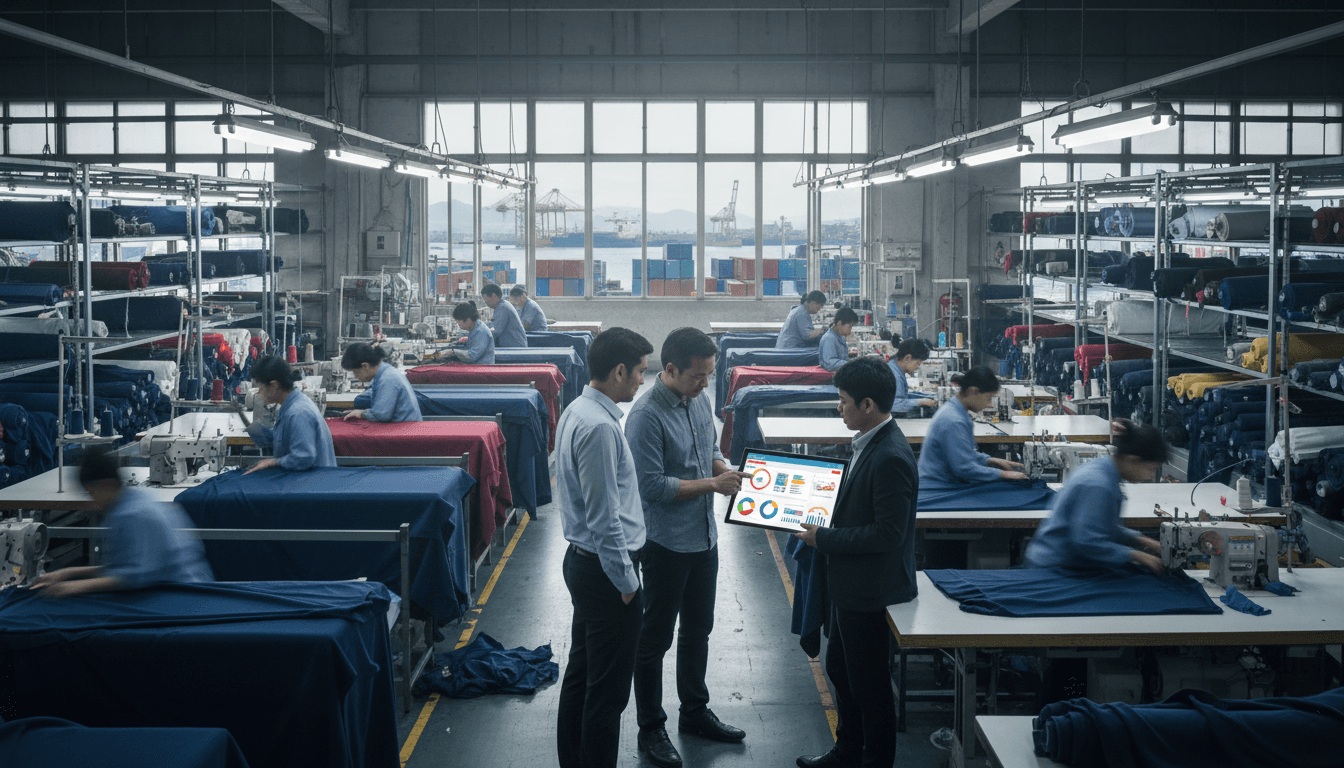
Trade + AI: Pakistan Textile Exports Ka Next Step
Bangladesh ne December 2025 mein ek aisa trade move kiya jo South Asia ki textile race ko seedha impact karta hai: Japan ke saath Economic Partnership Agreement (EPA) ke zariye 7,379 products ke liye duty-free access ka roadmap. RMG (readymade garments) ke liye “day-one” duty-free entry aur Single Stage Transformation (SST) rules of origin—yeh dono cheezen import tariffs aur origin compliance ki friction ko ek jhatkay mein kam kar deti hain.
Pakistan ki textile aur garments industry ke liye yeh news “Bangladesh ka success story” se zyada hai—yeh warning + playbook dono hai. Warning is liye ke global buyers quality, speed, compliance aur price ko ek saath demand kar rahe hain. Playbook is liye ke trade access milay to usko capture karne ke liye factories aur exporters ko operationally ready hona padta hai. Aur readiness ka sab se practical shortcut 2026 mein ek hi cheez ban rahi hai: AI in textile and garment manufacturing.
Yeh post is series ka hissa hai: “پاکستان میں ٹیکسٹائل اور گارمنٹس کی صنعت کو مصنوعی ذہانت کیسے تبدیل کر رہی ہے”. Focus simple hai: Bangladesh-Japan EPA ko case study bana kar dekhein ke policy tailwind + AI execution mil kar export growth ka formula kaise banta hai—aur Pakistan is se kya seekh sakta hai.
Bangladesh ka EPA: Export growth ka “friction removal” model
Bangladesh ka core win yeh hai ke Japan ne implementation ke first day se RMG jaise key exports ko duty-free access dene ka signal diya. Is ka direct matlab: landing price better, buyer negotiations mein pricing power zyada, aur competition (Vietnam, Cambodia, Indonesia) ke against ek measurable edge.
SST rules of origin: paper-work se supply chain tak asar
Textile trade mein “rules of origin” aksar hidden tax hota hai. Agar origin criteria strict ho, to aap ko raw material aur processing steps ko specific countries ya stages se tie karna padta hai—warna duty benefit chala jata hai. Bangladesh ne SST ko push kiya, jo garments ke liye compliance ko comparatively easier banata hai.
Pakistan ke liye lesson yeh hai:
- Trade agreements sirf tariff reduction nahi hotay—compliance architecture hotay hain.
- Origin rules ka “ease” directly decide karta hai ke exporter kitni easily global sourcing kar sakta hai.
Aur yahi point AI ko center stage par le aata hai, kyun ke origin documentation aur traceability ko manage karna manual tareeqay se slow, error-prone aur audit risk heavy hota hai.
Pakistan ka real issue: market access se zyada “execution gap”
Pakistan mein bohat se exporters ka mindset yeh hota hai ke “agar duty-free mil jaye to orders aa jayen.” Most companies get this wrong. Orders tab aa kar repeat hotay hain jab aap teen cheezen consistently deliver karein:
- Lead time reliability (promise vs actual)
- Quality consistency (defects, shade variation, measurement issues)
- Compliance + documentation speed (audits, traceability, certifications)
Trade policy aap ko door khol kar deti hai. AI aap ko us door se fast walk karwati hai—aur girnay se bachati hai.
Winter 2025 timing: buyers ka planning cycle aur supplier pressure
December ke end par global buyers Spring/Summer 2026 pipelines, replenishment models, aur risk diversification ko lock karte hain. Japan jaisi quality-conscious market mein entry ka matlab sirf cheap nahi—predictable and provable supply.
Pakistan agar 2026 mein new market openings (ya existing markets mein share gain) chahta hai, to AI adoption ko “innovation project” nahi, export readiness program samjhay.
AI ka practical role: policy tailwind ko revenue mein kaise badlein
AI ka best use yeh nahi ke aap fancy dashboards bana lein. Best use yeh hai ke aap factory ke “daily pain points” ko compress karein—waste kam, rework kam, delivery better.
1) AI for demand planning + order prioritization
Duty-free access ya tariff edge tab kaam karta hai jab aap orders ko sahi mix mein run karein. AI-driven forecasting aur scheduling tools:
- style-wise capacity mapping
- bottleneck prediction (cutting, sewing lines, finishing)
- on-time delivery probability scoring
Result: aap buyer ko credible commit dates de sakte hain. Japan jaisi market mein credibility hi currency hai.
2) AI-based fabric & garment quality control (computer vision)
Garments export mein defects ka cost sirf rejection nahi—buyer trust loss hai. Computer vision QC:
- fabric defect detection (holes, slubs, stains)
- stitching anomalies
- measurement verification
- shade consistency alerts (camera + calibrated lighting setups)
Pakistan ke context mein yeh especially useful hai kyun ke returns/rework hidden cost ko erode kar dete hain. QC automation se aap first-pass yield improve karte hain—aur margin bachta hai.
3) AI for compliance reporting + traceability (Origin rules ready)
Bangladesh ke SST point se Pakistan ke liye direct message: future trade deals mein origin/traceability complexity barhe gi. AI can help:
- supplier document extraction (invoices, certificates) via OCR
- automated data validation (missing fields, mismatched HS codes)
- batch-level traceability logs
- audit trail generation within hours, not days
Yeh kaam manual teams bhi kar sakti hain, magar speed aur accuracy ka gap buyer experience ko hit karta hai.
4) AI for digital outreach to international buyers
Trade access ka fayda tab multiply hota hai jab aap buyers tak theek tareeqay se pohanchte hain. AI-assisted content workflows:
- product catalog auto-generation (specs, GSM, composition, finishing)
- multilingual buyer-ready decks (Japan-specific tone, compliance focus)
- RFQ response drafting with consistent technical language
- “what we can make” searchability across internal SKUs
Yahan opinion clear hai: 2026 mein jo exporter fast and clear communicate karta hai, woh half battle jeet chuka hota hai.
Pakistan ke liye “Bangladesh moment” ka roadmap: 90 din mein kya karein
Agar aap mill, garments unit, ya export house run karte hain, to aap ko trade policy ka wait karte karte execution slow nahi karna chahiye. Yeh 90-day plan realistic hai.
Phase 1 (Weeks 1–3): Baseline aur quick wins
- Top 20 styles / customers identify karein
- Current defect rate, rework hours, late deliveries ka baseline nikalein
- 1 line ya 1 process par pilot choose karein (fabric inspection ya inline sewing QC)
Deliverable: “Before vs After” dashboard with 3 KPIs.
Phase 2 (Weeks 4–8): AI QC pilot + SOP alignment
- Computer vision QC ka narrow pilot (one fabric type, one lighting setup)
- Operators ko blame karne ke bajaye SOP adjust karein (lighting, camera angle, sampling)
- QA + production ko same “defect taxonomy” par align karein
Deliverable: Defect classification model + weekly rejection trend.
Phase 3 (Weeks 9–12): Compliance automation + buyer comms
- Document OCR + automated checklists (packing list, COO, test reports)
- RFQ response template with technical fields
- Internal product data ko centralize karein (composition, finishing, lead times)
Deliverable: Audit-ready pack within hours; RFQ turnaround time cut.
Common questions (buyers aur exporters dono poochte hain)
“Duty-free access mil jaye to kya AI still zaroori hai?”
Haan. Duty-free aap ko price edge deta hai; AI aap ko reliability edge deta hai. Long-term contracts reliability par bante hain.
“AI adoption ka sab se safe starting point kya hai?”
Quality control. Is ka ROI measurable hota hai: defects, rework, claims, and rejection reduction.
“Kya SMEs bhi AI use kar sakti hain?”
Kar sakti hain—agar scope small rakhein. One production line, one inspection station, one compliance workflow. Expansion later.
Pakistan ki policy + industry stance: trade ko tech se pair karna hoga
Bangladesh ne Japan ke saath duty-free access aur SST jaise practical provisions secure kar ke yeh show kiya ke smart trade negotiation ka output direct factory economics mein translate hota hai. Pakistan ke liye message blunt hai: sirf agreements ki headlines kaafi nahi—industry ko operationally “agreement-ready” banana hoga.
Mujhe yahi approach sab se workable lagti hai: Trade strategy ko AI execution roadmap ke saath bundle karein. Aap chahein Japan ho, EU ho, ya North America—buyers ko teen cheezen chahiye: speed, proof, predictability. AI in Pakistan textile industry in teeno ko tangible banata hai.
Agar aap 2026 mein export growth seriously chase kar rahe hain, to pehla step yeh hai: apni factory ka data disciplined banayein—aur phir AI ko sirf “tool” nahi, operating system upgrade samjhein. Aap ko kya lagta hai—Pakistan ka next big export push trade policy se start hoga, ya factory floor ki AI readiness se?