Pitti Uomo 109 اور China Wave سے سیکھیں کہ AI پاکستان کی گارمنٹس میں trends، sampling، compliance اور B2B marketing کو تیز کر کے global buyers جیتنے میں کیسے مدد دیتا ہے۔
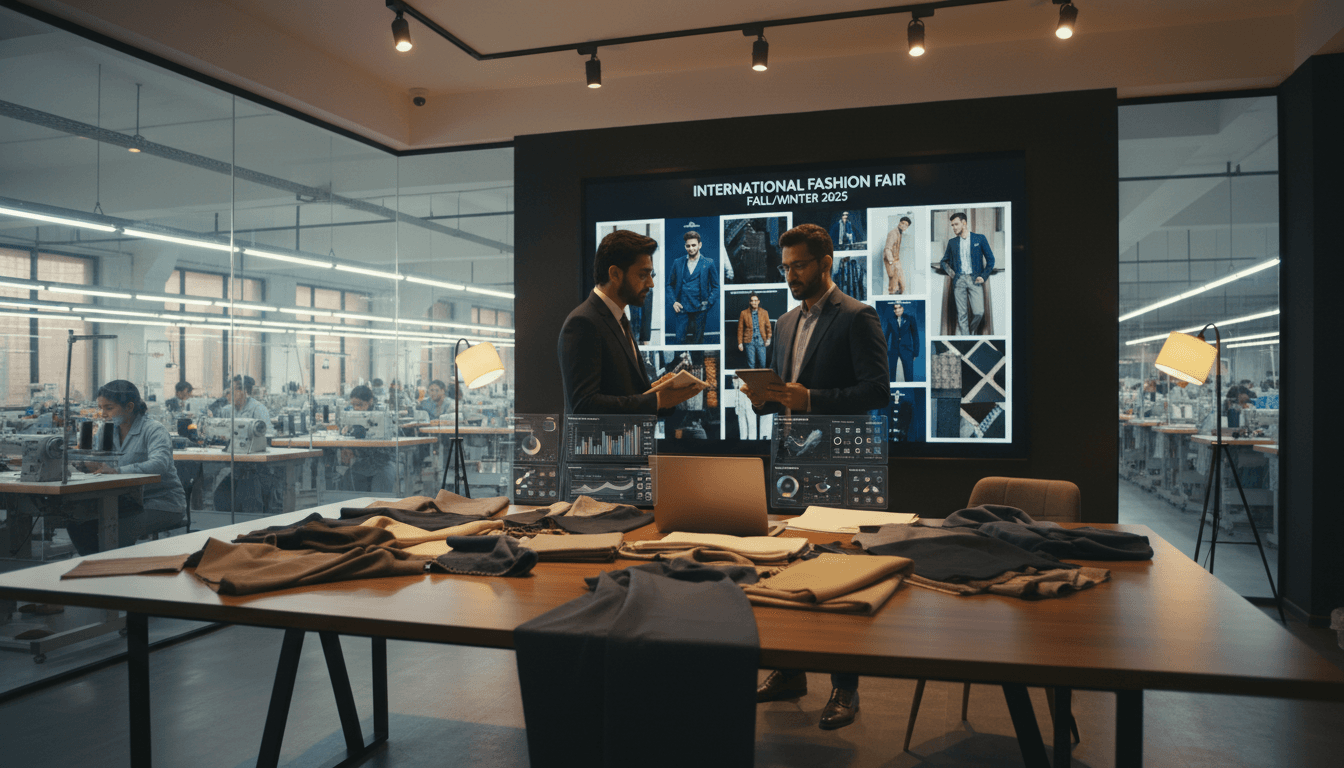
AI سے پاکستان کی گارمنٹس کو Pitti Uomo جیسا فائدہ
44% بین الاقوامی exhibitors کے ساتھ Pitti Uomo 109 ایک سادہ فیشن شو نہیں—یہ ایک global benchmark ہے کہ مردانہ ملبوسات کی مارکیٹ کہاں جا رہی ہے۔ جنوری 2026 میں فلورنس میں ہونے والے اس ایونٹ میں “Movement” تھیم کے ساتھ 700+ برانڈز اپنے Fall/Winter 2026–27 کلیکشن دکھا رہے ہیں، اور اسی اسٹیج پر CHINA WAVE کے تحت آٹھ چینی برانڈز کو ایک dedicated space مل رہی ہے۔
پاکستانی ٹیکسٹائل اور گارمنٹس کے لیے اصل سبق یہ نہیں کہ “چین بھی شو میں آ گیا”۔ اصل سبق یہ ہے کہ چین نے product export سے نکل کر brand export کے لیے منظم، curated اور data-driven طریقہ اپنایا ہے۔ اور اگر آپ ایک exporter، apparel manufacturer، یا sourcing manager ہیں تو آپ کے لیے سوال یہ بنتا ہے: کیا آپ کے پاس اتنی رفتار ہے کہ آپ global trends کو پڑھ کر 60–90 دن میں sample، story اور buyer pitch بنا سکیں؟
میں نے دیکھا ہے کہ ہمارے ہاں بہت سی فیکٹریاں ابھی بھی trend spotting کو “intuition” پر چھوڑ دیتی ہیں۔ اب 2026 کی مارکیٹ میں یہ مہنگا پڑتا ہے۔ بہتر راستہ یہ ہے کہ آپ مصنوعی ذہانت (AI) کو اپنے design، compliance اور marketing workflow میں رکھیں—تاکہ Pitti Uomo جیسے events آپ کے لیے خبر نہیں، input data بن جائیں۔
Pitti Uomo اور China Wave: پاکستان کو اصل سگنل کیا ملتا ہے؟
Pitti Uomo 109 میں CHINA WAVE کی موجودگی ایک واضح پیغام دیتی ہے: global buyers صرف capacity نہیں خرید رہے، وہ identity، consistency اور distribution readiness خرید رہے ہیں۔ CHINA WAVE کا مقصد بھی یہی بتایا گیا: چینی design culture کو global markets سے جوڑنا، international distribution channels بہتر کرنا، اور professional recognition لینا۔
یہی وجہ ہے کہ آٹھ برانڈز کو ایک 150m² کے curated space میں رکھا جا رہا ہے۔ یہ “stall booking” نہیں—یہ brand narrative packaging ہے۔ پاکستانی manufacturers کے لیے یہ learning ہے کہ:
- اگر آپ صرف OEM/CM پر کھڑے ہیں تو margin دباؤ میں رہے گا
- اگر آپ اپنی product development + storytelling + compliance کو repeatable بنا لیں تو آپ buyer کے لیے کم risky بن جاتے ہیں
- اگر آپ event intelligence (جیسے Pitti Uomo) کو AI سے process کریں تو آپ trend کے پیچھے نہیں، trend کے ساتھ چلتے ہیں
چینی برانڈز کی فہرست بھی دلچسپ ہے: کچھ minimalist leisurewear اور urban outdoor پر ہیں، کچھ artist-driven accessories پر، کچھ fixed collections سے باہر نکل کر “always-on drops” جیسا approach رکھتے ہیں۔ یہ سب signals ہیں کہ menswear اب صرف tailoring نہیں؛ utility, movement, outdoor-lifestyle, smart casual سب اکٹھے ہو رہے ہیں۔
پاکستان میں AI کیسے “trend-to-sample” کا وقت کم کرتی ہے؟
سیدھی بات: زیادہ تر کمپنیاں trend کو دیکھتی ہیں، مگر اس کو product میں translate نہیں کر پاتیں۔ AI یہاں آپ کی مدد تین جگہ کرتا ہے: trend sensing، design translation، اور sampling speed.
1) Trend sensing: ایونٹس کو data میں بدلیں
Pitti Uomo جیسے ایونٹس سے نکلنے والی معلومات بکھری ہوتی ہے—برانڈز کی positioning، silhouettes، colors، trims، fabric stories، اور buyers کی گفتگو۔ AI کا فائدہ یہ ہے کہ آپ:
- runway/booth imagery کو categories میں tag کر سکتے ہیں (مثلاً “utility pockets”, “soft tailoring”, “tech fabrics”)
- press notes اور product descriptions سے recurring themes نکال سکتے ہیں
- 700+ brands کے patterns سے 5–7 واضح “macro directions” بنا سکتے ہیں
یہ کام manual طریقے سے 2–3 ہفتے لیتا ہے؛ AI-assisted طریقے سے 2–3 دن میں framework بن جاتا ہے—اور یہ speed export business میں فرق ڈالتی ہے۔
2) Design translation: buyer کے taste کے مطابق variants
پاکستانی factories اکثر ایک ہی base style کو مختلف buyers کے لیے تھوڑا بہت بدل دیتی ہیں۔ AI کی مدد سے آپ buyer-specific design variants زیادہ سسٹم کے ساتھ بنا سکتے ہیں:
- past purchase orders اور fit comments سے “what this buyer rejects” کی patterning
- target market کے size curves اور fabric preferences کا learning
- colorways اور trims کی shortlisting based on sell-through signals
نتیجہ: sample rounds کم، approval جلد، اور lab dips/strike-offs پر waste کم۔
3) Sampling speed: tech pack اور spec sheet automation
AI آپ کی creative ٹیم کی جگہ نہیں لیتا، مگر boring کام کم کرتا ہے:
- tech pack کے repetitive حصے auto-fill
- measurement tables اور tolerance suggestions
- BOM (bill of materials) draft اور consumption estimates کی بہتر first version
اگر آپ کے sampling میں 10–15% time بھی کم ہو جائے تو یہ peak season میں capacity آزاد کر دیتا ہے۔
Snippet-worthy line: “Pitti Uomo آپ کو trend دکھاتا ہے، AI آپ کو اس trend کا approved sample بنوا کر دیتی ہے۔”
AI سے quality اور compliance: buyer کے سامنے ‘low risk’ بنیں
پاکستان کی textile industry کے لیے 2026 میں صرف design کافی نہیں۔ EU اور UK buyers کے ساتھ کام کرتے ہوئے traceability، restricted substances، audit readiness اور documentation کی consistency اب selection criteria بن چکی ہے۔
AI کو یہاں دو clear کام دینے چاہئیں: defect detection اور documentation automation۔
1) AI-based quality inspection (inline + endline)
Computer vision سے آپ stitching defects، shade variation، print misalignment، اور surface flaws کی detection بہتر کر سکتے ہیں۔ مقصد “100% automation” نہیں—مقصد یہ ہے کہ:
- defect early پکڑیں تاکہ rework سستا ہو
- operator feedback loop بنے (کون سا defect کس line میں بڑھ رہا ہے)
- AQL failures کم ہوں اور shipment delay کا risk گھٹے
2) Compliance reporting اور traceability workflows
اگر آپ کے پاس fabric mill، dyeing lot، accessory supplier، اور production batch کی info بکھری ہوئی ہے تو buyer کا trust کم ہو جاتا ہے۔ AI + structured data سے آپ:
- batch-level traceability summaries جلد بنا سکتے ہیں
- supplier documents (certificates, test reports) سے key fields extract کر سکتے ہیں
- internal audit checklists کو auto-generate کر کے gaps جلد پکڑ سکتے ہیں
میرا stance واضح ہے: جن companies کے compliance workflows digitize نہیں ہوں گے، وہ premium buyers سے باہر ہو جائیں گی—چاہے قیمت کم بھی ہو۔
International marketing: brand export کا کھیل اب digital ہے
CHINA WAVE کا core idea “brand exportation” ہے۔ پاکستانی exporters کے لیے اس کا مطلب صرف اپنا label لگانا نہیں—بلکہ digital trust بنانا ہے۔
1) AI-assisted buyer outreach (B2B)
آپ کے پاس اگر 50 target buyers ہیں تو ہر buyer کے لیے ایک ہی deck بھیجنا lazy approach ہے۔ AI سے:
- buyer کے assortment کے مطابق 10–12 styles کی personalized curation
- emails میں category language (smart casual vs urban outdoor) کی alignment
- follow-up sequences جو season calendar کے ساتھ match کریں
یہ کوئی magic نہیں۔ یہ discipline ہے—اور AI اس discipline کو doable بناتا ہے۔
2) Content factory: photo-to-catalog اور spec-to-story
Pitti Uomo جیسے events میں buyers fast فیصلہ کرتے ہیں۔ آپ کی presentation بھی fast ہونی چاہیے:
- product photos سے line sheet drafts
- spec sheet سے short “material story” (کیوں یہ fabric، کیا benefit)
- factory capability content: lead times، MOQ logic، compliance readiness—clear اور repeatable
اگر آپ کا marketing material ہر بار scratch سے بنتا ہے تو آپ slow ہیں۔
پاکستان کے لیے 90 دن کا practical AI roadmap (کم خرچ، زیادہ اثر)
اگر آپ 2026 کی buying cycles کے لیے serious ہیں تو میں یہ staged plan suggest کروں گا۔ اس میں “massive transformation” نہیں—بس وہ steps ہیں جو واقعی چلتے ہیں۔
دن 1–30: Trend + buyer intelligence کی بنیاد
- پچھلے 12 ماہ کے styles، rejections، fit comments کو clean کریں
- 20 top competitors/brands کی public product language کا dataset بنائیں
- ایک simple “trend taxonomy” بنائیں (silhouette, fabric, color, details)
دن 31–60: Sampling اور tech pack acceleration
- tech pack templates standardize کریں
- AI-assisted spec drafting + BOM drafting pilot کریں (10 styles پر)
- sample approval time اور rework hours measure کریں
دن 61–90: Quality + compliance digitization
- top 5 defects کی visual library بنائیں
- inline inspection میں vision pilot (ایک line)
- batch traceability summary template implement کریں
Success metrics (یہ numbers آپ کے لیے management buy-in لاتے ہیں):
- sample approval cycles: 4 → 3
- rework hours: 12% کمی
- shipment delays due to documentation: noticeable drop
- inquiry-to-quote response time: 48 گھنٹے → 24 گھنٹے
“People also ask” طرز کے عام سوالات (اور سیدھے جواب)
کیا AI چھوٹی فیکٹری کے لیے بھی feasible ہے؟
ہاں، اگر آپ scope محدود رکھیں۔ trend sensing، content automation، اور tech pack assistance جیسے use cases کم investment سے شروع ہو جاتے ہیں۔
کیا buyers واقعی AI capabilities پوچھتے ہیں؟
وہ “AI” لفظ نہیں بھی پوچھیں گے تو بھی وہ speed، consistency، traceability اور defect rates ضرور پوچھتے ہیں۔ AI ان چاروں میں practical advantage دیتا ہے۔
AI اپنانے کا سب سے بڑا risk کیا ہے؟
غلط جگہ automation۔ پہلے data صاف کریں، process standardize کریں، پھر AI لگائیں—ورنہ آپ chaos کو automate کر دیں گے۔
پاکستان کی گارمنٹس انڈسٹری کے لیے اگلا قدم
Pitti Uomo 109 میں CHINA WAVE کی موجودگی بتاتی ہے کہ اب global fashion میں صرف manufacturing muscle کافی نہیں۔ Market intelligence + brand packaging + speed فیصلہ کرتی ہے کہ کس کو shelf space اور repeat orders ملیں گے۔
پاکستان میں ٹیکسٹائل اور گارمنٹس کی صنعت کو مصنوعی ذہانت کیسے تبدیل کر رہی ہے—اس سیریز میں میری رائے واضح ہے: AI کو buzzword نہ بنائیں، اسے operating system بنائیں۔ Trend سے لے کر tech pack، quality، compliance اور buyer outreach تک ایک connected workflow بنے گا تو آپ کا business “price taker” نہیں رہے گا۔
اگر آپ چاہیں تو میں آپ کے لیے ایک AI readiness checklist اور 2 ہفتوں کا pilot plan بنا سکتا ہوں (آپ کے current process اور buyer mix کے مطابق)۔ سوال یہ ہے: آپ 2026 میں global buyers کو صرف capacity بیچنا چاہتے ہیں، یا confidence بھی؟