Sauraha’s Elephant Festival can boost arrivals fast. Here’s how AI helps Nepal tourism with multilingual content, smart booking, and better festival experiences.
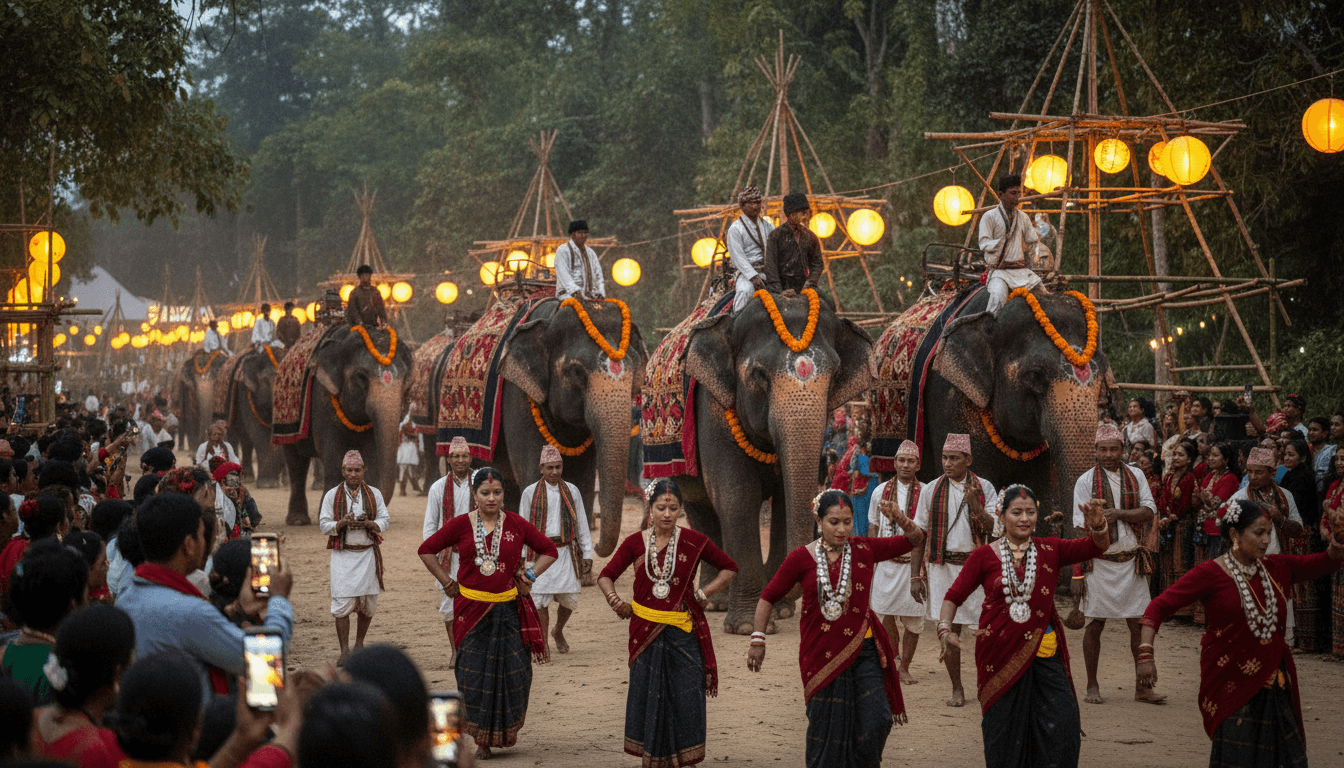
Sauraha Elephant Festival: AI-Powered Tourism Growth
Hotel occupancy in Sauraha is sitting around 40% right now—and local hoteliers expect it to climb to nearly 60% during the 19th Elephant and Tourism Festival. That’s not a small jump. It’s a live reminder that festivals don’t just entertain; they directly decide whether restaurants hire extra staff, whether guides get bookings, and whether a destination stays on travelers’ radar.
The part most tourism businesses still miss is simpler: a festival’s success today is as much “digital experience” as it is on-ground experience. If international visitors can’t easily understand what’s happening, book in seconds, or feel confident about ethical wildlife practices, they’ll choose another country—no matter how beautiful Chitwan is.
This post is part of our series “नेपालको पर्यटन तथा आतिथ्य उद्योगलाई कृत्रिम बुद्धिमत्ताले कसरी रूपान्तरण गरिरहेको छ”. Using Sauraha’s Elephant and Tourism Festival as a real, timely case (late December is peak holiday planning season), we’ll look at how AI in Nepal tourism can turn cultural events into consistent demand—while supporting conservation, better service, and stronger local revenue.
Sauraha Elephant Festival: what it’s doing right (and what’s missing)
The festival in Sauraha, held at the Baghmara Buffer Zone Community Forest and running through Monday, is designed to boost domestic and international arrivals, connect culture with conservation, and revive hospitality in Chitwan. Organisers are pairing cultural shows with sports and community programs—processions from the Chitwan National Park gate, elephant-themed competitions, cultural performances, health camps, boat races, worship, and prize distributions.
That mix matters because travelers don’t come to Sauraha for only one reason. They come for a bundle: wildlife, community, food, festivals, and a sense of place.
The opportunity hiding in plain sight: “Festival info” is a product
Most event marketing treats festival information as an announcement. Visitors treat it as a product.
If the festival schedule, ethics policy (elephant welfare), transport guidance, ticketing, and nearby stay options aren’t clear and searchable in multiple languages, the experience starts with friction.
AI can remove that friction quickly, especially for destinations like Sauraha where many businesses are small and don’t have dedicated digital teams.
How AI makes cultural festivals easier for global tourists
AI helps most when it does the boring work at scale: translating, answering questions, personalizing recommendations, and routing booking inquiries. For a festival like this, that’s exactly what determines whether someone books a room—or keeps scrolling.
Multilingual content creation that doesn’t sound robotic
The biggest practical use case for AI for tourism marketing in Nepal is multilingual content that’s actually usable. Not just a one-time brochure translation, but a system that keeps updating:
- Daily schedule updates (events often change)
- Hotel discounts and restaurant offers
- Local etiquette guidance (what to wear, how to behave during worship)
- Short cultural context snippets (why a ritual matters)
What works in practice:
- Draft the master content in Nepali (or English).
- Use AI to translate into priority languages (often English, Hindi, Chinese, French, German, Japanese).
- Have one human reviewer per language family check the high-risk parts (dates, prices, sensitive cultural wording).
This is where many operators save real money: one good human editor can supervise several AI translations, instead of translating everything from scratch.
AI concierge: instant answers, fewer missed bookings
During festivals, businesses lose bookings for a painful reason: people ask questions at odd hours, and no one replies fast enough.
A simple AI chatbot (on a website, Facebook page, WhatsApp, or even a QR code at the park gate) can answer:
- “How do I get from Bharatpur airport to Sauraha?”
- “What time is the elephant beauty contest?”
- “Which hotels have festival discounts?”
- “Is the event family-friendly?”
- “What are the rules around elephant interaction and safety?”
This matters because speed is trust. If a visitor gets clear answers in 30 seconds, they’re more likely to book.
Personalised itineraries that sell more nights (without feeling salesy)
Here’s an honest stance: Sauraha shouldn’t sell the festival alone. It should sell a 2–4 night experience.
AI can generate itinerary options based on traveler profiles:
- Family with kids: shorter jungle activities + cultural shows + early dinners
- Birdwatcher: sunrise options + buffer zone walks + low-noise activities
- Domestic weekend travelers: one-day highlights + food + procession timing
- Responsible tourism travelers: conservation talk + community forest visit + clear welfare policy
For hotels and tour operators, personalization is how you increase length of stay—the metric that usually decides profitability.
Smart booking and festival demand: where AI actually boosts revenue
Events spike demand quickly, but the money leaks out when booking is chaotic. AI doesn’t need to be complex here; it needs to be consistent.
Better booking flows for small businesses
Many Sauraha operators rely on messages and phone calls. That’s workable—until a festival floods the inbox.
AI can help by:
- Auto-sorting inquiries (room booking, safari, transport, restaurant)
- Auto-drafting replies with correct pricing and policy details
- Flagging high-intent leads (“We want to book today”) for immediate human follow-up
If your team answers 30% faster during festival week, you don’t just feel efficient—you capture bookings that would otherwise go to another destination.
Dynamic pricing with guardrails (use it carefully)
Yes, AI can recommend room rates based on demand forecasts. But for Nepal’s hospitality brand, I’d argue for guardrails:
- Don’t spike prices in a way that feels exploitative
- Use festival demand to offer bundles (room + dinner + cultural show seating)
- Keep transparency: “Festival package includes X”
Trust is a long-term asset. Destinations that look like they’re price-gouging lose repeat visitors.
Data you can act on: what people are searching for
AI-driven analytics can show:
- Which countries are searching “Chitwan festival” terms
- Which languages your content needs first
- Which event photos/videos get the most saves and shares
- When interest drops (and what content brings it back)
Even a basic weekly dashboard during December–January can guide what you post next—and what packages you promote.
AI + conservation messaging: making “responsible tourism” believable
The Kathmandu Post report emphasizes the festival as a bridge between tourism and conservation, with leaders calling elephants an integral part of Nepal’s culture and identity. That framing is powerful—if visitors believe it.
The fastest way to lose international trust is vague messaging about animal welfare. The better approach is specific, consistent communication.
What to publish (and keep consistent)
AI can help draft and format this across channels, but the content has to be clear:
- A short welfare policy: what interactions are allowed, what’s prohibited
- Safety guidance for visitors (especially families)
- What the elephant health camp does (in plain language)
- How the buffer zone/community forest model supports conservation
If you say “regenerative tourism,” explain what it means locally:
Regenerative tourism in Sauraha should mean tourism that funds habitat protection, strengthens community livelihoods, and reduces pressure on wildlife—not just “less harm.”
That’s a sentence worth repeating across your brochures, posters, and social posts.
Use AI to monitor sentiment (before it becomes a PR problem)
During festivals, a single viral post can shape global perception. AI sentiment monitoring can flag:
- Visitor complaints about crowding or safety
- Confusion about schedules and pricing
- Sensitive concerns about animal treatment
The goal isn’t to “control” the story—it’s to respond fast with facts, fixes, and empathy.
A practical AI checklist for festivals in Nepal (hotels + tour operators)
If you’re a hotel, restaurant, trekking agency expanding into cultural tours, or a local tourism committee planning events, here’s what I’d implement in the next 30 days.
1) Festival content kit (multilingual)
- One master page: dates, venue, daily schedule, prices, transport, safety
- 10 short posts (reels-ready captions) in Nepali + English
- AI translations for 3–5 priority languages
- A “what to expect” section for first-time visitors
2) AI-assisted booking response system
- Saved reply templates for common questions
- Auto-triage: urgent booking vs general inquiry
- A clear human escalation path (“Talk to our staff now”)
3) Packages that increase length of stay
- 2-night cultural bundle
- 3-night culture + nature bundle
- Family-friendly itinerary option
4) Measurement that isn’t complicated
Track four numbers only:
- Inquiry-to-response time (minutes)
- Inquiry-to-booking conversion (%)
- Average length of stay (nights)
- Top language of inquiries (ranked)
You can build everything else later.
People also ask: quick answers for festival and AI planning
How can AI help promote tourism festivals in Nepal?
AI helps most by producing multilingual content quickly, answering visitor questions 24/7, and improving booking response speed so fewer inquiries are lost.
Will AI replace human guides and hospitality staff?
No—and it shouldn’t. In Nepal’s tourism, the human part is the product. AI is best used to reduce repetitive admin work so staff can focus on guest experience.
What’s the first AI tool a small hotel in Sauraha should adopt?
A multilingual inquiry assistant (chatbot or message auto-replies) paired with a simple content workflow for festival updates. Speed and clarity bring bookings.
What Sauraha’s festival can teach Nepal’s tourism industry right now
Sauraha’s Elephant and Tourism Festival is already doing the hard part: creating a reason to visit and a story that ties culture to conservation. The next step is making that story easy to discover, easy to understand, and easy to book for someone sitting in Seoul, Sydney, or New Delhi planning a January trip.
That’s where artificial intelligence in Nepal tourism is most useful—not as a flashy add-on, but as the behind-the-scenes system that improves communication, reduces booking friction, and helps local businesses earn more from the visitors they’re already attracting.
If you’re planning a festival, running a hotel, or operating tours in Nepal, the question worth asking now is straightforward: when demand spikes, will your digital experience keep up with your on-ground hospitality—or will you lose guests before they even arrive?