Lagos food prices surged in Dec 2025. Here’s what it means for creators—and how AI helps you adapt content, protect revenue, and stay relevant.
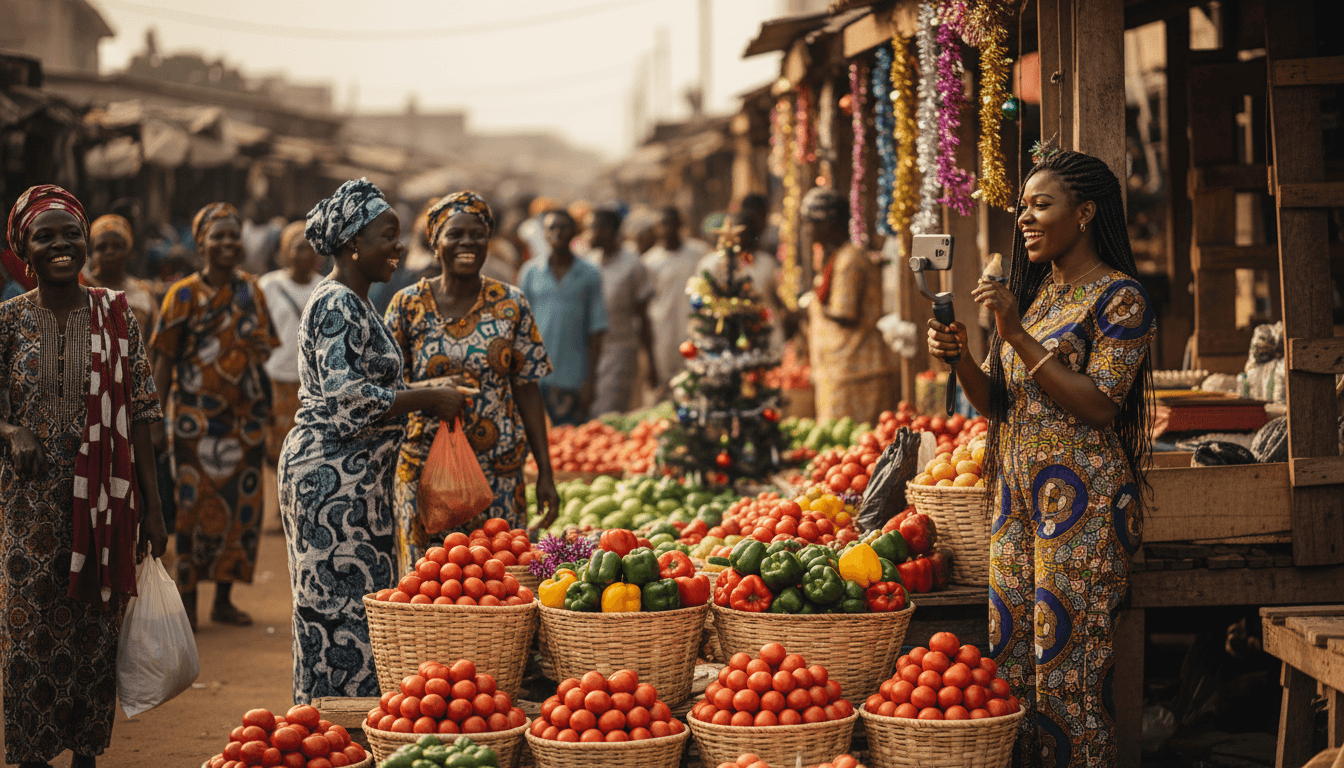
Lagos Food Prices in Dec 2025: What Creators Should Do
Pepper didn’t just get expensive in Lagos this December—it got dramatic. A big bag jumped from ₦60,000 to ₦85,000 (+41.67%) in a single month. Beans swung hard too: a 50kg bag of brown beans rose from ₦90,000 to ₦120,000 (+33.33%). Tomatoes, garri, yam, turkey, fish—most things people actually cook with—moved in the same direction.
This matters far beyond kitchen budgets. In Nigeria’s creator economy, food isn’t just consumption; it’s content. It’s what lifestyle creators film, what food vendors sell on TikTok and Instagram, what family vloggers plan around, and what brands use to anchor seasonal campaigns. When food prices spike, creators feel it twice: in their personal spending and in the audience’s willingness to buy.
I’m taking a clear stance here: inflation is now a content strategy variable. If you create, manage, or market digital content in Nigeria, you can’t treat price changes as “background noise.” You need a system—ideally powered by AI—to track what’s happening, adjust your content, and protect revenue.
What Lagos food price increases are telling us (fast)
The direct answer: December 2025’s Lagos food price spike is classic festive demand meeting fragile supply and high logistics costs.
A Lagos market survey tracking 70 food items across Mushin, Mile 2, Daleko, and Oyingbo found that in December versus November:
- 49 items increased (69.0%)
- 18 items declined (25.4%)
- 3 items were flat (5.6%)
That’s broad-based inflation pressure. Even if Nigeria’s official inflation reading eased in November (headline 14.45% YoY, food 11.08% YoY, and Lagos food inflation 13.6% YoY), December’s reality in the markets can still run hot because seasonality hits faster than macro data can capture.
The items that moved the most (and why creators should care)
A few standout movements from the survey:
- Pepper: ₦60,000 → ₦85,000 (+41.67%)
- Brown beans (50kg): ₦90,000 → ₦120,000 (+33.33%)
- Tomatoes (basket): ₦40,000 → ₦52,000 (+30.00%)
- White garri (50kg): ₦24,000 → ₦30,000 (+25.00%)
- Abuja yam (medium): ₦3,500 → ₦4,500 (+28.60%)
- Turkey carton: ₦73,000 → ₦85,000 (+16.44%)
- Titus fish (1kg): ₦7,000 → ₦8,000 (+14.29%)
Sellers cited reduced inflows from the North, spoilage risk during transport, cold-chain costs, and some stock hoarding ahead of Christmas and New Year.
Creators should care because these are the exact items that dominate festive content: jollof ingredients, “market runs,” Christmas cooking, food tray businesses, family hangouts, and “Detty December” spending diaries.
The hidden link: inflation changes the algorithm of attention
The direct answer: when wallets tighten, attention shifts to value content—pricing, substitutes, and “how to cope” formats outperform pure aesthetic lifestyle posts.
In Lagos, December isn’t just a holiday season; it’s a high-intensity trend cycle. In the creator economy, trends behave like markets:
- A trend rises (Christmas cooking, hampers, food vlogging)
- Demand surges (audience wants ideas and shopping guides)
- Costs climb (ingredients, logistics, production)
- People substitute (smaller portions, cheaper proteins, alternatives)
- The next “value-first” trend emerges (budget menus, price comparisons)
Creators who keep posting like prices haven’t changed often see weaker conversion even if views stay stable. Why? Because viewers may watch for entertainment but hesitate to spend.
Here’s the practical shift:
- Lifestyle content becomes planning content
- Food content becomes price-aware content
- Brand promos require stronger proof (bundles, discounts, clear savings)
A simple line I’ve found works in this environment: “This recipe is festive, but it won’t finish your salary.” It’s blunt, but it matches the mood.
People also ask: “Does festive demand always raise food prices in Lagos?”
Yes—consistently. The mechanism is simple: more buyers chasing the same or reduced supply. Add transport and storage costs, and prices jump quickly.
People also ask: “Why do prices rise even when inflation data moderates?”
Because official inflation is typically reported with a lag and averaged across baskets, while market prices respond instantly to seasonal demand, supply disruptions, and trader behavior.
How creators can respond without looking tone-deaf
The direct answer: make your content reflect what people are experiencing, and you’ll build trust and conversions even in inflation.
If you’re a creator, December 2025 is not the time for “soft life” captions with no context. Most audiences in Lagos are doing mental arithmetic at every purchase.
Content formats that work during food inflation
These are performing formats in Nigeria’s digital content ecosystem because they match audience intent:
- Market price check videos (with receipts or clear item lists)
- Example angle: “Mile 12 vs Mushin: where tomatoes are cheaper this week.”
-
Ingredient substitution series
- Pepper too high? Show how to balance heat with ata rodo mix ratios, dried pepper, or smaller quantities.
-
Festive menu under a fixed budget
- “Christmas rice + protein + drink under ₦X for a family of 4.”
-
Vendor explainers
- Short interviews: pepper seller, frozen food retailer, yam wholesaler—people love hearing the supply story.
-
Portion-smart cooking
- Prep in batches, freeze, reduce waste. Waste is silent inflation.
This kind of content doesn’t reduce your brand value. It increases it, because it signals: I’m paying attention; I’m not pretending.
Where AI fits: turn price volatility into a content engine
The direct answer: AI helps creators track price signals, generate faster scripts, and predict what audiences will search for next.
This post sits inside our series on How AI Is Powering Nigeria’s Digital Content & Creator Economy for a reason: the creators who win in 2026 won’t be the ones who post the most. They’ll be the ones who adapt the fastest.
A simple AI workflow for “food price aware” creators
You don’t need a complex data team. You need a repeatable routine:
-
Collect weekly price signals
- From your own market runs, vendor DMs, community comments, and saved notes.
-
Summarize patterns using AI
- Prompt idea: “Summarize what’s increasing, decreasing, and why, based on these notes. Suggest 10 content angles.”
-
Generate variants of the same idea for different platforms
- One long YouTube video → 5 Shorts → 1 carousel → 1 newsletter.
-
Use AI for audience research
- Cluster comments into themes: “complaints about pepper,” “protein alternatives,” “budget requests.”
-
Build a ‘Seasonal Content Calendar’ that includes inflation
- December: festive + price checks.
- January: detox + budget recovery.
- February: Valentine’s value meals.
AI helps you protect revenue, not just create posts
When spending tightens, creators often see:
- Lower affiliate conversions
- Fewer impulse buys
- More negotiation from brands
AI supports revenue by helping you package offers differently:
- Bundle a recipe PDF + shopping list + vendor recommendations
- Offer brand deliverables that include “value framing” (savings per serving)
- Create sponsored content that actually matches consumer reality
If a brand insists on an unrealistic “premium only” message in a high-inflation week, push back. Your audience will punish you for it.
What brands and agencies should change in Q1 2026
The direct answer: marketing in Lagos during food inflation needs pricing intelligence, creator trust, and measurable value claims.
Brands still want festive virality. Fair. But the smart ones will adjust their briefs:
Better creator briefs for an inflation-sensitive audience
- Ask for cost per meal or cost per serving framing
- Encourage substitutes and scalable recipes
- Allow creators to show real market prices instead of scripted numbers
- Use promos that reduce friction (bundles, free delivery thresholds)
Better creator selection criteria
Follower count is weak. Look for:
- High comment quality (people asking for practical help)
- Strong community trust (audience believes their price claims)
- Consistent posting cadence during high-pressure seasons
Creators are becoming consumer analysts—whether they call themselves that or not. Agencies should treat them that way.
Practical takeaways you can apply this week
The direct answer: track prices, adjust your formats, and use AI to speed up your response cycle.
If you’re creating content in Lagos right now, do these five things:
- Add a “price reality check” line to festive posts (one sentence is enough).
- Create one budget-based piece of content per week until mid-January.
- Turn market comments into a script using AI (your comment section is free research).
- Build one “substitution” series (pepper, protein, oil, garri/yam).
- Negotiate brand messaging so you don’t lose audience trust for a one-off check.
Food prices climbing in Lagos in December 2025 isn’t just an economic story—it’s a creator economy story. It affects what people cook, what they buy, what they postpone, and what they search for late at night.
If you’re serious about building a sustainable audience and income, treat inflation like a signal, not a setback. AI makes that easier—because the creators who can interpret signals quickly will keep winning attention, even when money is tight.
What would happen to your content performance if you treated market prices the way you treat trending sounds—something you track daily and respond to fast?