Zepto IPO ප්රවෘත්තියෙන් Sri Lanka apparel කර්මාන්තයට ලැබෙන AI පාඩම්. Cost control, QC, planning සහ buyer communication වැඩිදියුණු කරන ක්රියාමාර්ග.
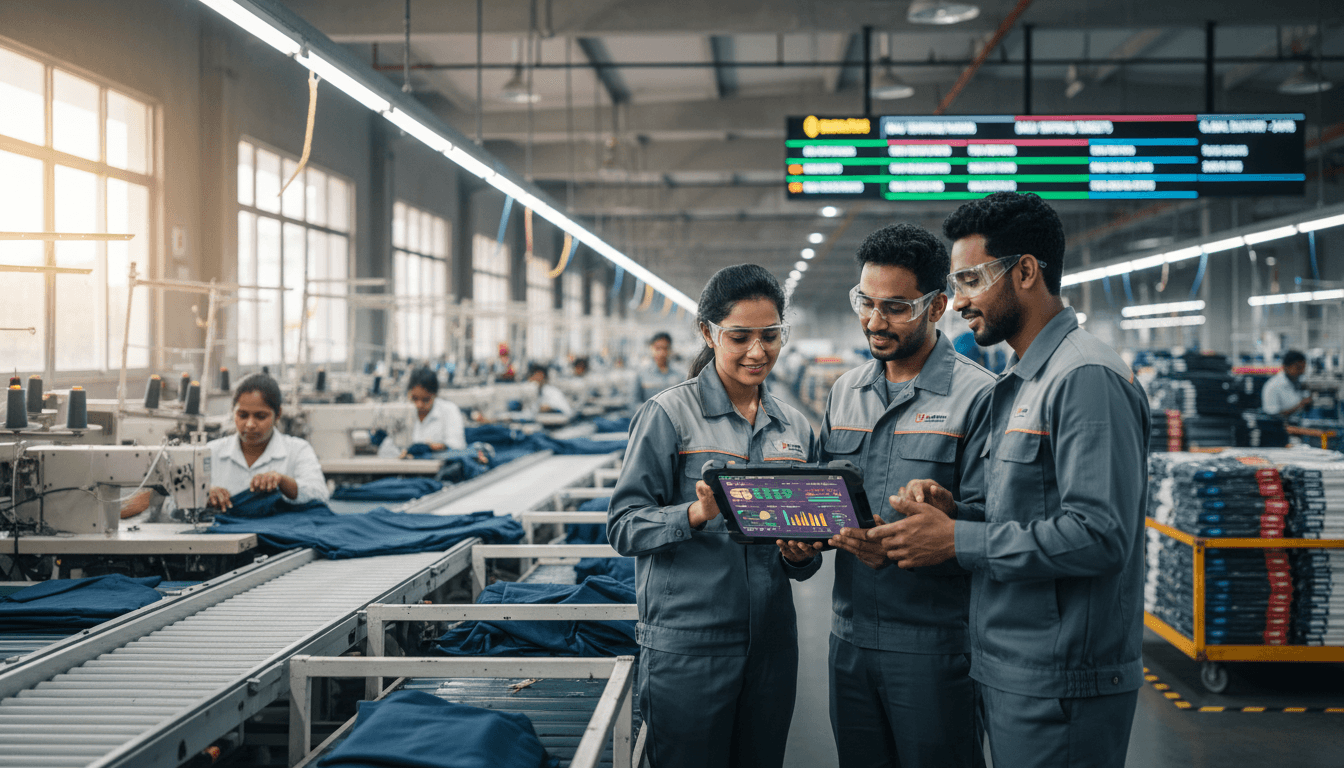
Zepto වගේ quick commerce සමාගමක් US$ 1.3 බිලියන වටිනා IPO එකකට සූදානම් වෙන එක “රීටේල්” පමණක් ගැන කතාවක් නෙවෙයි. මෙය කියන්නේ එකම දෙයක්: ඩිජිටල් වේගය දැන් පාරිභෝගික වෙළඳපොළේ default expectation එක. ඒ expectation එක fulfil කරන්න රීටේල්ලා “dark stores”, micro-warehouses, real-time inventory, data science වගේ දේවල් හදනවා. ඒකෙන් ඉදිරියට යන්නේ ඇඳුම් සහ වස්ත්ර supply chain එකමයි—කඩිනම්, පිරිවැය-නියමිත, අඩු දෝෂ, වැඩි පාරදෘශ්යතාව.
මෙම ලිපිය අපේ “ශ්රී ලංකාවේ වස්ත්ර හා ඇඳුම් කර්මාන්තය කෘත්රිම බුද්ධිය මඟින් කෙසේ වෙනස් වෙමින් තිබේද” ශ්රේණියේ තවත් කොටසක්. Zepto IPO ප්රවෘත්තිය අපට වැදගත් වෙන්නේ, අරමුදල් (capital) සහ දත්ත-පදනම් මෙහෙයුම් (data-driven operations) එකට එකතු වුණාම, කර්මාන්තවල තරඟය ඉක්මනින්ම “ප්රතිසංවිධානය” වෙන්න පටන් ගන්න නිසා. ශ්රී ලංකාවේ apparel exporters ලාට මේකෙන් ඉගෙනගන්න තියෙන්නේ කෙටියෙන්: AI + disciplined execution = faster decisions + better margins.
Zepto IPO එක ඇත්තටම කියන්නේ මොකක්ද?
Zepto එක draft papers ගොනු කරලා 2026 ජූලි–සැප්තැම්බර් කාර්තුවේදී ලැයිස්තුගත වීමට ඉලක්ක කරන බව වාර්තා වෙලා තියෙනවා. ඉලක්කගත IPO වටිනාකම සමීපයෙන් US$ 1.3 බිලියනක්. තවද වාර්තා අනුව, සමාගම රු. 11,000 කෝටි (fresh shares) පමණ raise කරලා, ඉතිරිය early investors ලාගෙන් offer for sale එකක් ලෙස තිබෙනවා.
මෙහි වැදගත් nuance එකක් තියෙනවා: Zepto ගමන් යද්දී cost-cutting කරලා තියෙනවා—800–900 අතර රැකියා අඩු කිරීම, customer acquisition cost අඩු කිරීම, corporate overheads කප්පාදු කිරීම. IPO එකකට යන්න කලින් මේ වගේ තීරණ ගන්න එක තේරුමක් දෙනවා: public markets වලට “growth” එක විතරක් අලෙවි කරලා බෑ. sustainable unit economics සහ execution predictability ඕන.
ශ්රී ලංකාවේ ඇඳුම් කර්මාන්තයට මෙය හුරු පුරුදු කතාවක්. Buyer ලා අහන්නේ:
- lead time කීයද?
- defect rate කොච්චරද?
- compliance evidence කොහොමද?
- price pressure ඇතුළේ margin maintain කරන්න පුළුවන්ද?
AI මෙතැනට ආවොත්, “අලංකාර tech demo” නෙවෙයි—නියමිත වශයෙන් මැනිය හැකි operational metrics වෙනස් වෙනවා.
Quick commerce තරඟය supply chain එකට දෙන පණිවිඩය
ඉන්දියාවේ quick commerce එක දැන් cash-intensive, highly competitive. වාර්තා අනුව Blinkit එක 50%+ market share එකක් අල්ලලා තියෙනවා. Dark stores ගණනත් scale වෙලා තියෙනවා: Blinkit 1,800+, Zepto සහ Instamart 1,000–1,100 පමණ, Flipkart Minutes 800 ට ළඟාවෙමින්, Amazon Now එක Delhi-NCR, Mumbai, Bengaluru වලට දිනකට micro-warehouses දෙක බැගින් එකතු කරන බව වාර්තා වෙනවා.
මෙවැනි ව්යුහයකදී ජයගන්න එක “ඉක්මන් delivery” විතරක් නෙවෙයි. ජයගන්නේ:
- demand forecasting හොඳම කෙනා
- inventory accuracy වැඩිම කෙනා
- wastage අඩුම කෙනා
- procurement සහ replenishment cycle කුඩාම කෙනා
මෙම same logic එක apparel manufacturing එකට apply කරද්දී, AI ප්රධාන භූමිකාවක් ගන්නවා. Sri Lanka apparel factory එකක “delivery on time” කියන්නේ අදත් KPI එකක්. නමුත් ඉදිරි අවුරුදු 2–3 තුළ KPI එක delivery on time + lower returns + verified sustainability data වෙලා යන එක nearly certain.
ශ්රී ලංකාවේ apparel exporters ලාට Zepto කතාවෙන් ලැබෙන පාඩම් 4ක්
1) “AI strategy” කියන්නේ cost control strategy එකක්
Zepto එක IPOට කලින් cost cutting කළා. ඒකෙන් පේන්නේ: ලොකු capital raise එකක් අරගෙනවත්, market එක margin discipline එක අහනවා.
Sri Lanka garment manufacturers ලාට AI in apparel manufacturing කියන්නේ:
- fabric utilisation වැඩි කරලා waste අඩු කිරීම (marker planning optimisation)
- line balancing / SMV variance අඩු කරලා overtime කප්පාදු කිරීම
- defect detection (computer vision) දාලා rework අඩු කිරීම
මෙවැනි projects වල ROI එක “AI is cool” කියලා නෙවෙයි. minutes saved, defects reduced, meters saved ලෙස පෙන්නන්න ඕන.
2) Confidential filing වගේ “flexibility” mindset එක operations වලටත් අදාළයි
Zepto SEBI confidential route එක භාවිතා කරලා offering size revise කරන්න හැකි කරනවා.
Factory operations වලත් මේ වගේ flexibility එක AI මඟින් ගන්න පුළුවන්:
- order changes ආවම re-plan කිරීම (capacity planning)
- raw material delays ආවම alternate sourcing scenario simulate කිරීම
- style mix වෙනස් වුණාම line allocation update කිරීම
මෙහි core idea: planning එක static spreadsheet එකක් නෙවෙයි. AI-assisted planning එක “daily decisions” වලට ගැලපෙන්න ඕන.
3) Digital retail එක වේගවත් වෙද්දී buyer communication එකත් AI-පදනම් වෙනවා
Quick commerce platforms අධික වේගයෙන් scale වෙද්දී, brands ලා real-time dashboards වලට හුරු වෙනවා.
Sri Lanka exporters ලාගේ buyer communication එක AI-driven කරගන්න practical ක්රම කිහිපයක්:
- shipment status, WIP, quality checkpoints එකතු කරලා auto-generated weekly update
- compliance docs වල smart extraction (PDF/scan වලින් key fields ගන්න)
- meeting minutes + action items auto-summarise කරලා follow-ups automate කිරීම
මෙය “අතිරේක” දේවල් නෙවෙයි. Buyer satisfaction එකට direct impact තියෙන operational hygiene එකක්.
4) Competitor intensity වැඩි වුනාම “data advantage” එකම defendable moat එක වෙයි
Zepto, Blinkit, Instamart, Flipkart, Amazon වගේ සමාගම් එකම වෙළඳපොළක් ඇතුළේ එකම සේවාවක් වටා තරඟ කරනවා. එතැන win/lose වෙනවා data + execution වලින්.
අපේ garment sector එකත් එලෙසමයි: buyer ලාට factories ගොඩක් තියෙනවා. Vendor differentiation එක build වෙන්නේ:
- consistent quality
- predictable lead time
- transparent ESG evidence
- fast sampling + digital product creation
AI මෙතැන “moat” එක නිර්මාණය කරන විදිහ: ප්රමාණාත්මක predictability. Buyer ලාට “we think we can deliver” කියන එකට වඩා “we can deliver, and here’s the risk forecast” කියන එක වටිනවා.
Sri Lanka textile and apparel sector එකට අදම කරන්න පුළුවන් AI use cases
මෙය කණ්ඩායම් තුනකට බෙදාගන්න ලේසියි: Factory floor, Quality & compliance, Commercial & content.
Factory floor: throughput වැඩි කරන project
- Demand-to-capacity forecasting: order book + historical efficiency පදනම් කරලා capacity risk early flag කිරීම
- Cut-plan optimisation: fabric width, shrinkage, defect maps දාලා wastage අඩු කිරීම
- Maintenance prediction: machine downtime patterns බලලා preventive schedules හොඳ කරගන්න
Quality & compliance: returns සහ audit friction අඩු කරන project
- Computer vision defect detection: stitching faults, fabric defects early catch කරලා rework/returns අඩු කිරීම
- Digital compliance workflow: SOP evidence capture, timestamped logs, auto reminders
- Supplier risk scoring: trims/fabric suppliers ලාගේ delay + defect history එකෙන් risk score
Commercial & content: buyers හා end-consumers අතර දුර අඩු කරන project
- AI-assisted product descriptions සහ line sheets (buyer-ready)
- Trend signals summarisation (seasonal colour/material cues)
- Merchandising analytics: style performance + margin drivers report templates
මම දැක්ක හොඳම ආරම්භය: “AI transformation” කියලා ලොකු ව්යාපෘතියක් පටන්ගන්න එක නෙවෙයි. සති 6–10ක pilot එකක් තුළ, එක KPI එකක් clearly improve කරන use case එකක් පටන්ගන්න එක.
Leads ලබාගන්න හොඳම ක්රමය: AI roadmap එකක් KPI වලට බැඳීම
Campaign goal එක LEADS නම්, content එකේ CTA එක “contact us” කියලා පමණක් නොවී, තීරණ ගන්න කෙනාට පහසු next step එකක් විය යුතුයි. ඒ නිසා මෙන්න Sri Lanka apparel leadership ට හොඳ checklist එකක්:
- ඔබේ #1 pain point එක තීරණය කරන්න (late deliveries? high rework? audit overload?)
- එයට අදාල 3 metrics තෝරන්න (OTD %, DHU/defect %, rework hours)
- Data availability check කරන්න: ERP, MES, QC sheets, Excel files—මොනවද තියෙන්නේ?
- Pilot scope එක define කරන්න: එක line එකක්, එක product family එකක්, එක plant එකක්
- 8 සතියකින් “before vs after” ප්රතිඵලයක් බලන්න
මෙහි සාර්ථකත්වය depends වෙන්නේ tool එකට වඩා process discipline එකට. Zepto වගේ සමාගම් public markets වලට යන්න කලින් discipline පෙන්නනවා. Factories වලටත් ඒ discipline එක build කරන්න AI උදව් කරනවා.
ඔබට ඇතිවිය හැකි ප්රශ්න 3කට සෘජු පිළිතුරු
AI දාන්න නම් ලොකු budget එකක්ම ඕනද?
නෑ. හොඳම pilots බොහොමයක් existing data + small models + clear workflow change වලින් පටන් ගන්න පුළුවන්. Budget එකට වඩා වැදගත් දේ: ownership සහ KPI clarity.
Computer vision QC එකෙන් ඇත්තටම ROI එන්නේ කොහොමද?
ROI එන්නේ defects early catch කිරීමෙන්:
- rework hours අඩු වෙනවා
- shipment holds අඩු වෙනවා
- buyer claims/returns අඩු වෙනවා
- operator training feedback loop එක වේගවත් වෙනවා
Buyer ලාට AI කියලා pitch කළාම ඔවුන්ට වැදගත් වෙයිද?
Buyer ලාට “AI” වචනයට වඩා වැදගත් වෙන්නේ consistent outcomes. ඒ outcomes එක data-backed කරලා පෙන්නන්න AI tools ඉතා හොඳයි.
දැන් next move එක කුමක්ද?
Zepto IPO කතාවෙන් ලැබෙන signal එක පැහැදිලියි: digital-first operations දැන් ආයෝජනත්, තරඟයත්, සහ පාරිභෝගික expectation එකත් තල්ලු කරන මධ්යස්ථානය. Quick commerce එකේ පීඩනය supplier networks වලටත් පැතිරෙනවා—ඒ අතර apparel supply chain එක ඉදිරියෙන්ම තියෙනවා.
අපේ AI-මූලික apparel transformation ශ්රේණිය ඇතුළේ, මම ගන්න stance එකක් තියෙනවා: AI adopt නොකළ factories 2026–2027 දී “compliance + speed + transparency” එකතු ප්රශ්නයකින් හිර වෙයි. Early movers ලාට margins defend කරන්නත්, buyer trust වැඩි කරන්නත්, lead time අඩු කරන්නත් practical advantage එකක් ලැබෙනවා.
ඔබේ factory/brand එකට 2026 Q2 වනකොට “AI quick wins” දෙකක් දාන්න තිබුණොත්—ඔබ තෝරන use case දෙක මොනවද?