Sri Lanka apparel exports රෙකෝඩ්. ඒ momentum එක sustain කරලා US market එකේ scale කරන්න AI-driven planning, quality, compliance roadmap එක මෙන්න.
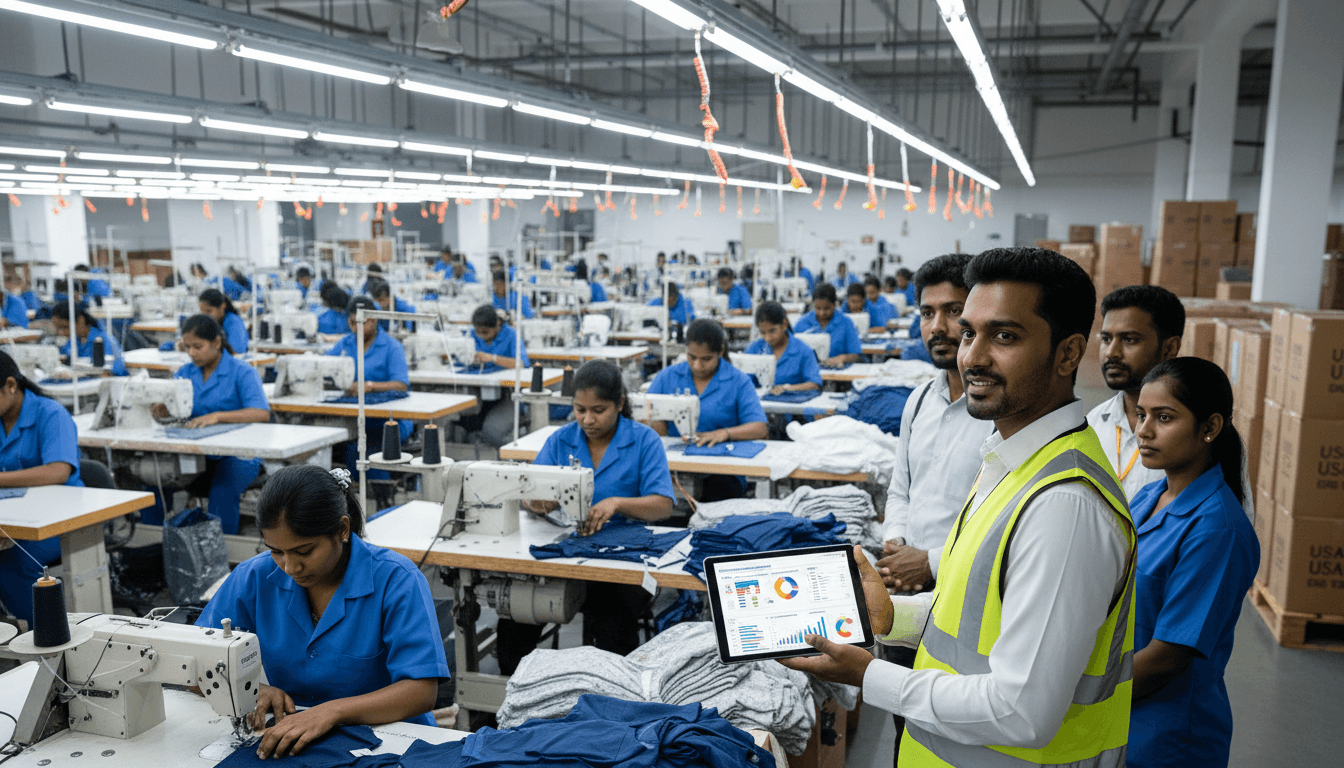
AI මඟින් Sri Lanka Apparel Exports තවත් ඉහළට යවමු
මාර්තු මාසයේ ශ්රී ලංකාවේ ඇඳුම් අපනයන (apparel exports) නව උසකට ළඟා වුණා කියන පුවත හොඳයි. නමුත් මම ඒක තව ටිකක් වෙනස්ව බලනවා: රෙකෝඩ් shipment එකක් කියන්නේ “අපි දැන් ඉතින් හොඳයි” කියන නවතීමක් නෙවෙයි—ඊළඟ පියවරට ගන්න සංඛේතයක්.
විශේෂයෙන්ම US වෙළඳපොළට shipments ශක්තිමත් වෙලා තිබීම, කර්මාන්තයට අළුත් අවස්ථා දෙකක් එකවර අරගෙන එනවා—ඉල්ලුම (demand) වැඩිවීමත්, ඒ ඉල්ලුම හරියට meet කරන්න lead time, quality, compliance වගේ දෙවල් තදින් පාලනය කරන්න වෙන එකත්. මෙන්න ඒ තැනටමයි අපේ topic series එකේ මූලික අදහස හෙළි වෙන්නේ: ශ්රී ලංකාවේ වස්ත්ර හා ඇඳුම් කර්මාන්තය කෘත්රිම බුද්ධිය (AI) මඟින් කෙසේ වෙනස් වෙමින් තිබේද—රෙකෝඩ් exports එක sustain කරලා scale කරන්න.
මෙම ලිපියෙන්, March/Q1 export momentum එක AI adoption එකට හොඳ trigger එකක් කරගන්න පුළුවන් ප්රායෝගික ක්රම 5ක් කියන්නම්. අමතරව, factory-level workflow වලින් ඉඳලා buyer communication දක්වා AI ගෙනාගන්න roadmap එකක්ත් දාන්නම්.
March/Q1 export momentum එක ඇත්තටම කියන දේ
Answer first: රෙකෝඩ් export performance එකෙන් කියවෙන්නේ demand තියෙනවා කියන එකම නෙවෙයි—deliverability සහ predictability ගැන ලෝක වෙළඳ නාම (brands) ගන්න තීරණ ඉතා වේගවත් වෙනවා කියන එක.
US වෙළඳපොළ robust වුණාම සාමාන්යයෙන් වෙන දෙය මෙන්න: buyer-side teams ඉල්ලනවා shorter lead times, smaller but frequent drops, සහ stricter quality / compliance proof. ඒකේ ලස්සනට තියෙන්නේ, Sri Lanka apparel manufacturing ecosystem එකට මේක handle කරන්න හැකියාව තියෙනවා. නමුත් අමාරු තැන? ඒ හැකියාව consistent කරලා scale කරන්න.
මෙහෙම බලන්න:
- Q1 වගේ මුල් කාර්තුවේ ශක්තිමත් ප්රතිඵල කියන්නේ planning cycle එක තදයි කියන එක.
- US shipments robust නම්, forecast errors එක buyer-side penalties, chargebacks, air-freight cost වලට හැරෙන අවදානම වැඩි.
- වැඩි export volume එකක් කියන්නේ quality issues එකක් වුණත් impact එක වසරේම P&L එකට වැටෙන්න පුළුවන්.
ඒ නිසාම, AI for apparel industry එක “nice to have” නෙවෙයි. මගේ අදහස: 2026 planning cycle එකට යනකොට AI-driven operations නැත්තම්, Sri Lanka apparel exports momentum එක defend කරන්න අමාරු වෙනවා.
US market එකේ momentum එක AI-driven demand & inventory වලින් තවත් දුර යවන්න
Answer first: US shipments robust නම්, වැඩිම ROI එකක් දෙන AI use cases දෙකක් තියෙනවා—demand forecasting සහ inventory/production optimization.
Demand forecasting: order volatility එක ලාභයට හරවන්න
US buyers ගොඩක්ම work කරන්නේ promotions, seasonality, and replenishment triggers මත. ඔබේ planning team එක තවමත් mainly spreadsheets සහ historic averages මත ඉඳලා නම්, forecast error එක naturally ඉහළ යනවා.
AI forecasting එක මෙතන කරන්න පුළුවන් වැඩ:
- style-color-size (SCS) level දක්වා forecast granular කරන්න
- buyer-wise behavior patterns හඳුනාගන්න (late changes, rush orders)
- fabric lead time + trim availability + capacity constraints එකටම forecast එක tie කරන්න
Practical win: forecast accuracy 5–10% කින් හොඳ වුණත්, air-freight run rate එක අඩු වෙනවා. Air-freight එක අඩු වුණාම margin එක යනවා අපිට නෙවෙයි—සාමාන්යයෙන් supplier ecosystem එකටම ලාභයි.
Inventory + WIP optimization: “සියල්ලටම buffer” කියන පුරුද්ද අතහරින්න
අපේ factories ගොඩක් වෙලාවට risk handle කරන්නේ buffer stock, extra WIP, and overtime දාලා. ඒක short term එකට සරලයි. නමුත් export volume වැඩිවුණාම ඒක cost explosion එකක්.
AI-assisted planning එකෙන්:
- WIP bottlenecks (cutting/ sewing/ finishing) predict කරලා schedule adjust කරන්න
- fabric utilization සහ marker efficiency improve කරන්න
- supplier delivery risk scoring එකක් හදලා critical items වලට priority set කරන්න
Snippet-worthy: “Buffer stock එකක් අඩු කරලා ඉතුරු කරන රුපියල්, බොහෝ වෙලාවට AI project එකක වියදමට වඩා ඉක්මන් ලෙස ආපහු එනවා.”
නිෂ්පාදනයේ (manufacturing) AI: quality, throughput, සහ compliance එකට එකම engine එකක්
Answer first: record exports sustain කරන්න නම්, factory floor එකේ AI එකේ අරමුණ automation නෙවෙයි—variance reduce කිරීම.
AI-driven quality inspection: defect detect කරගන්න එකක් නෙවෙයි, root cause fix කරගන්න එක
Computer vision solutions වලින් stitches, seam puckering, shade variation, print alignment වගේ දේවල් early detect කරගන්න පුළුවන්. හැබැයි මම වටිනවා කියන්නේ මෙයයි: inspection data එකෙන් process fixes.
- line/operator-wise defect trends map කරන්න
- fabric lot-wise shade variance track කරන්න
- rework hours predict කරලා output plan එක real-time adjust කරන්න
ඉල්ලුම වැඩිවෙන කාලේ (US spring/summer programs, back-to-school cycles) defects එකක් දවස් 3-4ක් delay වුණත් shipment window එක මඟහැරෙන්න පුළුවන්. AI එකෙන් early warning system එකක් හදගන්න එක තමයි “export momentum insurance”.
Predictive maintenance: needle/feeder issues shipment delay එකක් වෙන්න කලින්
අපේ sewing floor එකේ unplanned downtime කියන්නේ hidden killer එකක්. IoT sensors දාලා predictive models run කරන එක ලොකු වැඩක් වගේ පේනවා. නමුත් අරමුණ simple:
- machine vibration/temperature patterns වලින් failure risk identify කරන්න
- maintenance schedule එක production schedule එකට align කරන්න
- spare parts planning එක optimize කරන්න
ඉතාම ප්රායෝගික දේ: downtime අඩු වුණාම OT (overtime) අවශ්යතාව අඩු වෙලා compliance riskත් අඩු වෙනවා.
Compliance automation: audit prep එකෙන් වැඩ නවත්වන්න එපා
US market එකට වැඩියම බලපාන දෙයක් තමයි documentation readiness: social compliance, chemical compliance, traceability. AI එකෙන් මෙතන කරන්න පුළුවන්:
- document classification + auto-checklists (missing/expired docs alerts)
- SOP සහ training logs summarize කරලා audit packs generate කිරීම
- supplier declarations වල inconsistencies flag කිරීම
මගේ stance එක මෙන්න: Compliance එක “audit season” එකට තියාගන්න කටයුතුක් නෙවෙයි—daily workflow එකේ default behavior එකක් වෙන්න ඕන. AI ඒකට ඉතාම සුදුසුයි.
Buyer communication සහ merchandising එක: AI-යොදාගෙන “සඳහාත්මක” නොව “හොඳටම පැහැදිලි” වන්න
Answer first: brands එක්ක හොඳම සන්නිවේදනය කියන්නේ ලස්සන slide එකක් නෙවෙයි—fast, accurate, documented updates.
Export momentum එක දාලා තිබුණත් buyer-side teams අද ඉල්ලන්නේ මෙවැනි දේ:
- real-time order status
- risk flags (delay probability)
- quality evidence snapshots
- sustainability/traceability proof points
AI-assisted workflows ඉතාම practical:
- Auto-generated daily buyer updates: ERP/MES data එකෙන් order-wise status summary
- Spec/tech pack parsing: requirements extract කරලා internal checklist එකක් හදන එක
- Digital content creation: factory capability one-pagers, process explainers, sampling update notes—ඉක්මනින්, එකම tone එකෙන්
මෙහෙම කියමු: ඔබ buyer එකට සතියකට වරක් “we are on track” කියනවාට වඩා, දවස් 2කට වරක් clear evidence එකක් දෙන එක විශ්වාසය ගොඩනගනවා. ඒ විශ්වාසය තමයි repeat orders.
Sri Lankan apparel companies සඳහා AI roadmap එක (90 දවස් – 12 මාස)
Answer first: AI වැඩේ සාර්ථක වෙන්නේ tech stack එකෙන් නෙවෙයි—use case sequencing + data discipline එකෙන්.
පළමු 90 දවස්: “pilot” එකේ අරමුණ savings එකක් හෝ delay reduction එකක්
මෙහෙම pilots 2ක් තෝරන්න (one planning, one quality):
- Demand forecasting pilot (selected buyer/program)
- Visual inspection pilot (one line/one product family)
Success metrics (ඉලක්ක clear කරන්න):
- forecast error %
- rework hours per 1,000 pcs
- on-time delivery %
- air-freight spend share
මාස 3–6: process + data plumbing හදාගන්න
- ERP/MES/QMS data flows clean කරන්න
- master data governance (style codes, BOM, color codes) tighten කරන්න
- SOP වෙනස් කරන්න: AI alerts වලට response owner කවුද කියලා define කරන්න
මාස 6–12: scale + compliance automation + buyer-facing reporting
- buyer-wise dashboards (OTD, quality, risk)
- compliance doc automation
- predictive maintenance expansion
Snippet-worthy: “AI model එක accuracy 95% වුණත් වැඩක් නෑ, alert එකට action එකක් නැත්තම්.”
“People also ask” – කර්මාන්තයේ නිතර එන ප්රශ්න
AI එකෙන් රැකියා අඩුවෙයිද?
Factory floor එකේ කාර්යයන් වෙනස් වෙයි. Quality, planning, maintenance වගේ roles වැඩි වටිනාකමක් ගන්නවා. හොඳ implementation එකක් නම් reskilling plan එකක් අනිවාර්යයි.
කුඩා/මධ්යම apparel exportersට AI කරන්න පුළුවන්ද?
පුළුවන්. trick එක: full transformation එකක් නොකර, one buyer + one product line එකෙන් ROI පෙන්නන්න.
AI adoption එකේ ලොකුම අවදානම මොකක්ද?
Tool selection නෙවෙයි. අපිරිසිදු data සහ “ownership” නැති process එක.
Sri Lanka apparel exports momentum එක protect කරන හොඳම move එක
March/Q1 export record එකෙන් ලැබෙන signal එක පැහැදිලියි: Sri Lanka apparel exports තවදුරටත් ලෝක වෙළඳපොළේ relevant. නමුත් US market එකේ momentum එක පවත්වාගෙන යන්න නම්, next-level performance එකක් ඕන—faster planning, tighter quality control, and always-ready compliance.
අපේ topic series එකේ ලොකු කතාව මෙන්න: ශ්රී ලංකාවේ වස්ත්ර හා ඇඳුම් කර්මාන්තය කෘත්රිම බුද්ධිය මඟින් වෙනස් වෙන්නේ factory එකේ එක tool එකක් දාලා නෙවෙයි; තීරණ ගන්න ක්රමය වෙනස් කරලා. රෙකෝඩ් exports එක “ලකුණක්” වගේ. ඒ ලකුණෙන් පස්සෙ මොකක් කරන්නද කියන එකයි වටින්නේ.
ඔබ exporter/producer කෙනෙක් නම්, අදම මෙතැනින් පටන්ගන්න: ඔබට වැඩියම pain එක දෙන තැන (forecast error ද? rework ද? compliance docs ද?) එක තෝරලා 90-day pilot එකක් ලියලා බලන්න.
ඊළඟ quarter එකේ ඔබේ buyer එක “Can you handle 20% more?” කියලා ඇහුවොත්—ඔබේ පිළිතුර ‘ඔව්’ වෙන්න AI එක හොඳ හේතුවක් වෙනවාද?