Геосаяси қысым мұнай ағындарын өзгертеді. Қазақстанда AI логистика, тәуекел және сұранысты болжап, маржаны қорғауға көмектеседі.
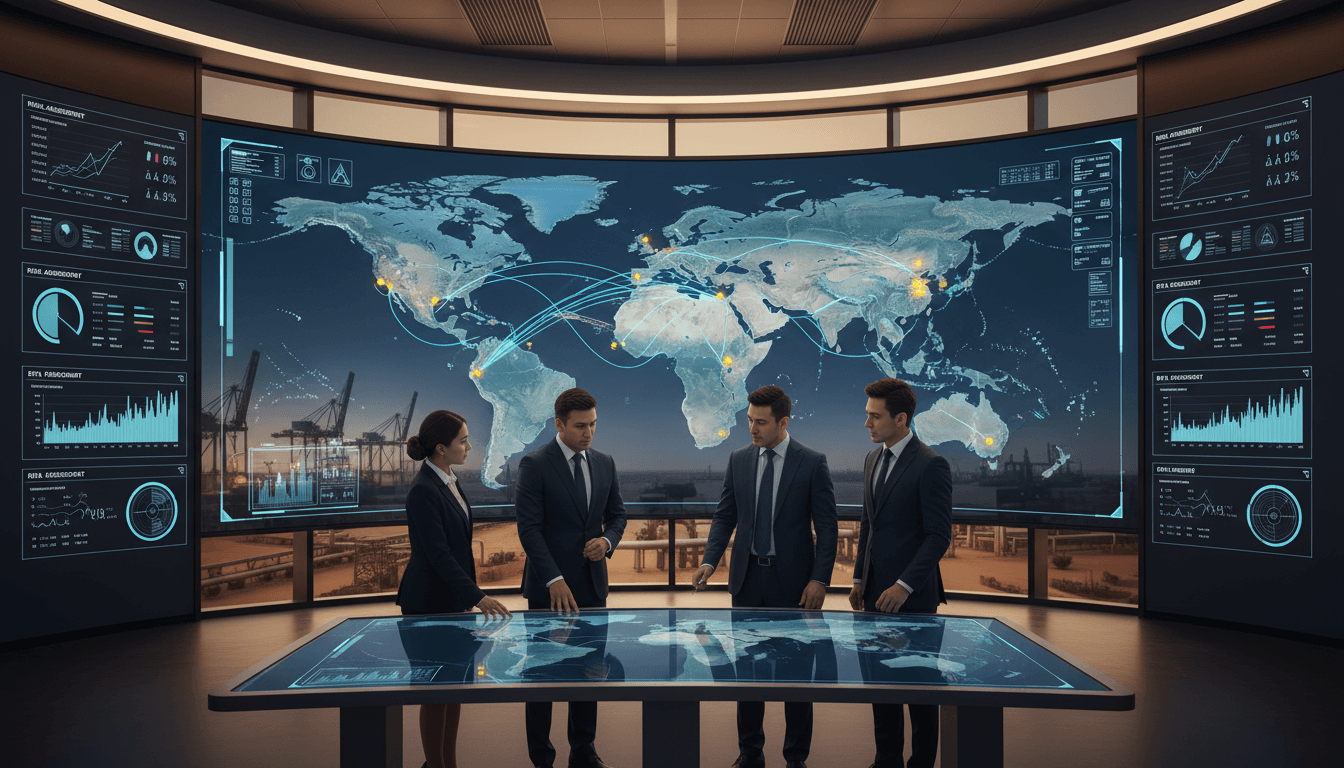
AI мұнай логистикасын қалай тұрақтандырады?
Қаңтарда Ресейдің Қытайға теңіз арқылы мұнай экспорты 1,86 млн баррель/тәулікке жетіп, жылдық өсім 46% болды. Бұл бір ғана статистика емес — ол Азиядағы мұнай ағындарының қалай қайта бөлініп жатқанын көрсететін нақты белгі. Үстіне АҚШ-тың Үндістанға қысымын, санкциялар архитектурасын және өңірлік альянстардың күшеюін қосыңыз: нарық «баға» ғана емес, тәуекел, логистика, сақтандыру, төлем арнасы, жүк тасымалының қолжетімділігі сияқты қабат-қабат факторлардан құралатын күрделі жүйеге айналды.
Қазақстан үшін мұның мәні өте практикалық. Біз мұнай-газ экспортын жаһандық нарыққа шығаратын елміз, ал әлемдегі сауда бағыттарының ауысуы маршруттарды таңдауға, спот/ұзақмерзімді келісімшарт тепе-теңдігіне, фрахт құнына, жеткізу мерзіміне тікелей әсер етеді. Осындай кезде «тәжірибеге» ғана сүйену жеткіліксіз.
Міне, осы серияның («Қазақстандағы энергия және мұнай-газ саласын жасанды интеллект қалай түрлендіріп жатыр») логикасымен айтсақ: жасанды интеллект мұнай логистикасын болжайтын, тәуекелді өлшейтін және шешім қабылдауды жылдамдататын басқару қабатына айналып келеді. Бұл постта біз Ресей–Қытай–Үндістан арасындағы соңғы динамиканы Қазақстанға «аударып», AI-дың нақты қай жерде пайда әкелетінін талдап шығамыз.
Геосаяси қысым мұнай саудасын қалай «қайта сызады»?
Негізгі жауап: санкциялар мен сауда мәмілелері мұнайды тоқтатпайды, көбіне бағытын өзгертеді. OilPrice мақаласындағы кейс осыны айқын көрсетеді: Үндістан Ресей мұнайын қысқартуы мүмкін деген сигналдар жүргенде, Қытай керісінше көлемді арттырды.
Мақалада көрсетілген үш факт Қазақстан үшін маңызды:
- Ресей Қытайдың басты жеткізушісіне айналып, қаңтарда Сауд Арабиясынан 56% көп мұнай жеткізген.
- ESPO көлемінің 100% Қытайға бағытталуы алғаш рет байқалған.
- Қытайдағы Shandong Yulong (400 мың б/т) зауыты іс жүзінде «құрылымдық түрде» ресейлік шикізатқа тәуелді болып қалған, желтоқсан–қаңтарда ~240 мың б/т ресей мұнайын алған.
Бұл нені білдіреді? Азиядағы сұраныс орталығы бір жағынан өсіп тұр, бірақ ол сұраныс тәуекелі төмен, жақын, тұрақты логистикалық тізбекке қарай ауыса береді. Ресейдің Козьмино терминалының Қытай порттарына 5–6 күнде жетуі — географияның «ақшаға айналғаны».
Қазақстан үшін параллель анық: экспорт географиясы мен маршруттары (теңіз, құбыр, транзит, порт) бағадан кем емес факторға айналды. Ал логистика күрделенген сайын AI-сыз басқару қымбатқа түседі.
Қазақстанға сабақ: баға емес, тәуекел-профиль шешеді
Қысқа жауап: келесі циклда жеңетіндер — тәуекелді дұрыс бағалап, логистиканы дәл жоспарлайтындар. Баға әрқашан маңызды, бірақ 2026-дағы нарықта «баға айырмасы» көбіне мына сұрақтарға тәуелді:
- Қай маршрутта кешігу ықтималдығы жоғары?
- Қай жерде сақтандыру/қауіпсіздік құны өседі?
- Қай порт/хабта кептеліс бар?
- Қай валюта/төлем арнасы операциялық тұрғыда сенімді?
Мақаладағы қызық деталь: Urals бойынша дисконт «аса үлкен» емес, шамамен Brent-ке -$7/баррель. Бірақ сатып алушыға тартымдылықты арттырып тұрған — Ресейдің «геосаяси тәуекелдің бір бөлігін өзіне алып қоюы» және Қытайға жақын логистика.
Қазақстандық компаниялар үшін бұл ойды «аудару» оңай: сіздің маржаңыз тек дифференциалдан емес, жеткізу сенімділігінен және шешім қабылдау жылдамдығынан құралады.
Осы жерде AI нақты құрал ретінде кіріседі.
AI мұнай-газ жеткізу тізбегін қалай болжайды және оңтайландырады?
Тікелей жауап: AI әртүрлі дерек көздерін біріктіріп, сұраныс–ұсыныс–логистика–тәуекелді бір модельде өлшейді, содан кейін нақты әрекетке келетін ұсыныс береді. Бұл «бір дашборд» үшін емес, күн сайынғы операциялық шешімдер үшін керек.
1) Сұраныс пен бағаны болжау: жоспарлау қателігін қысқарту
Мұнай саудасында жоспарлау қателігі көбіне «қойма толды», «танкер табылмады», «портта тұрып қалды» деген шығындарға әкеледі. AI/ML модельдері:
- өңірлік импорт статистикасын,
- зауыттардың жүктемесін,
- фрахт индексін,
- макро деректерді
біріктіріп, апта–айлық горизонтта сұраныс пен баға сценарийін нақтылайды. Мақаладағы сияқты бір елдің (Үндістан) саяси сигналдары басқа елдің (Қытай) нақты сатып алуына қалай әсер ететінін дәстүрлі Excel толық ұстай бермейді.
2) Маршрут пен флотты жоспарлау: «ең арзан» емес, «ең сенімді» таңдау
Мұнай логистикасы үшін пайдалы AI үлгілері:
- ETA (келу уақытын) болжау: AIS деректері, ауа райы, порт кептелісі арқылы.
- Фрахт құнын болжау: маусымдық, геосаяси жаңалықтар, кеме тапшылығы сигналдары.
- Маршрут тәуекелі скорингі: санкциялық тәуекел, инспекция ықтималдығы, сақтандыру талаптары.
Нәтижесінде трейдинг/логистика командасы «осы бағыт -$0,30/баррель арзан» дегенге емес, «осы бағытта кешігу ықтималдығы 2 есе жоғары, сондықтан нақты маржа төмен» деген шындыққа сүйенеді.
3) Контрагент және келісімшарт тәуекелі: санкция дәуіріндегі міндетті гигиена
Санкцияға байланысты тәуекел тек «кіммен жұмыс істейміз?» емес, қай құрылым арқылы, қай кемемен, қандай сақтандырумен, қандай жеткізу шарттарымен деген детальда жатыр.
AI көмектесетін жер:
- контрагент/кеме/сақтандырушы бойынша ашық деректерден тәуекел индикаторларын шығару,
- келісімшарт мәтінін NLP арқылы талдап, жасырын тәуекел тармақтарын көрсету,
- төлем кідірісі мен талап-арыз ықтималдығын тарихи үлгілерден болжау.
Мақсат — комплаенсті «тежегіш» емес, жылдамдықты сақтайтын қорғаныс ету.
Қазақстандық компанияға арналған практикалық жоспар: 90 күнде неден бастауға болады?
Нақты жауап: бірден “үлкен трансформация” емес, 3–4 өлшенетін use case-тан бастау дұрыс. Мен көрген тиімді тәсіл — логистика мен коммерция түйіскен жерде пилот жасау.
-
Біртұтас деректер қабаты (data mart) құру
- жеткізу кестесі, порт оқиғалары, фрахт, қойма, сапа көрсеткіштері, келісімшарт шарттары.
-
ETA және порт кептелісін болжау моделін пилоттау
- KPI: кешігулерді X% қысқарту, демерредж шығынын азайту.
-
Маршрут тәуекелі скорингі
- KPI: жоғары тәуекелді жөнелтім үлесін төмендету, “red flag” саны.
-
Сценарийлік жоспарлау
- «Үндістан қысқартады — Қытай өсіреді», «фрахт өседі», «портта шектеу» сияқты 5–7 сценарий.
Осы төрт қадам компанияға бірден «ақша үнемдеуді» ғана емес, басқармаға ұнайтын нәрсені береді: басқарылатын тәуекел және болжамды cash flow.
Бір сөйлеммен: геосаясат бағытты өзгертеді, ал AI сол бағыт ауысқан кезде сіздің маржаңыздың жоғалып кетпеуін қамтамасыз етеді.
Жиі қойылатын сұрақтар (қысқа жауаптар)
AI мұнай-газда тек өндіріс үшін бе?
Жоқ. Өндірістен бөлек, ең жылдам қайтарымы бар бағыттардың бірі — жеткізу тізбегі, трейдинг аналитикасы және тәуекел менеджменті.
Дерек сапасы нашар болса ше?
Алдымен «идеал дерек» күтпеңіз. ETA, фрахт және порт оқиғалары сияқты use case-тарда сыртқы дерек (AIS, ауа райы, порт статистикасы) көп көмектеседі. Ішкі деректі параллель жақсартасыз.
Кіші командамен іске аса ма?
Иә. 90 күндік пилотқа көбіне 6–10 адам жеткілікті: product owner, логистика сарапшысы, data engineer, data scientist, комплаенс өкілі, IT қауіпсіздік.
Қай бағытта ойлану керек: Қазақстан үшін «ақылды экспорт» кезеңі
Қытайдың Ресей мұнайын көбірек алуы, Үндістанның саяси маневрі, санкциялар — бәрі бір нәрсені көрсетіп тұр: энергия нарығында тұрақтылық енді география мен дерекке тәуелді. Қазақстандық мұнай-газ компаниялары үшін бұл қорқынышты жаңалық емес. Бұл — басқаруға болатын шындық.
Сіз бағыт ауысқанда ұтылатын тарапта болғыңыз келмейді. Сол үшін AI-ды тек «инновация» ретінде емес, операциялық навигатор ретінде қарастырған дұрыс: маршрут таңдау, жеткізу уақытын дәлдеу, тәуекелді алдын ала көру, келісімшарттағы әлсіз жерді табу.
Біздің серияның негізгі идеясы да осы: Қазақстандағы энергия және мұнай-газ саласын жасанды интеллект «әшекей» үшін емес, тиімділік, қауіпсіздік және болжамдылық үшін өзгертеді.
Ал сіздің компанияңызда ең қымбат белгісіздік қай жерде: фрахт па, порт па, келісімшарт па, әлде сұраныс сценарийі ме?