Chevron–Lukoil келіссөздері M&A-дағы ең қымбат ресурс дерек екенін көрсетті. AI тәуекелді өлшеп, мәміле шешімін жылдамдатады.
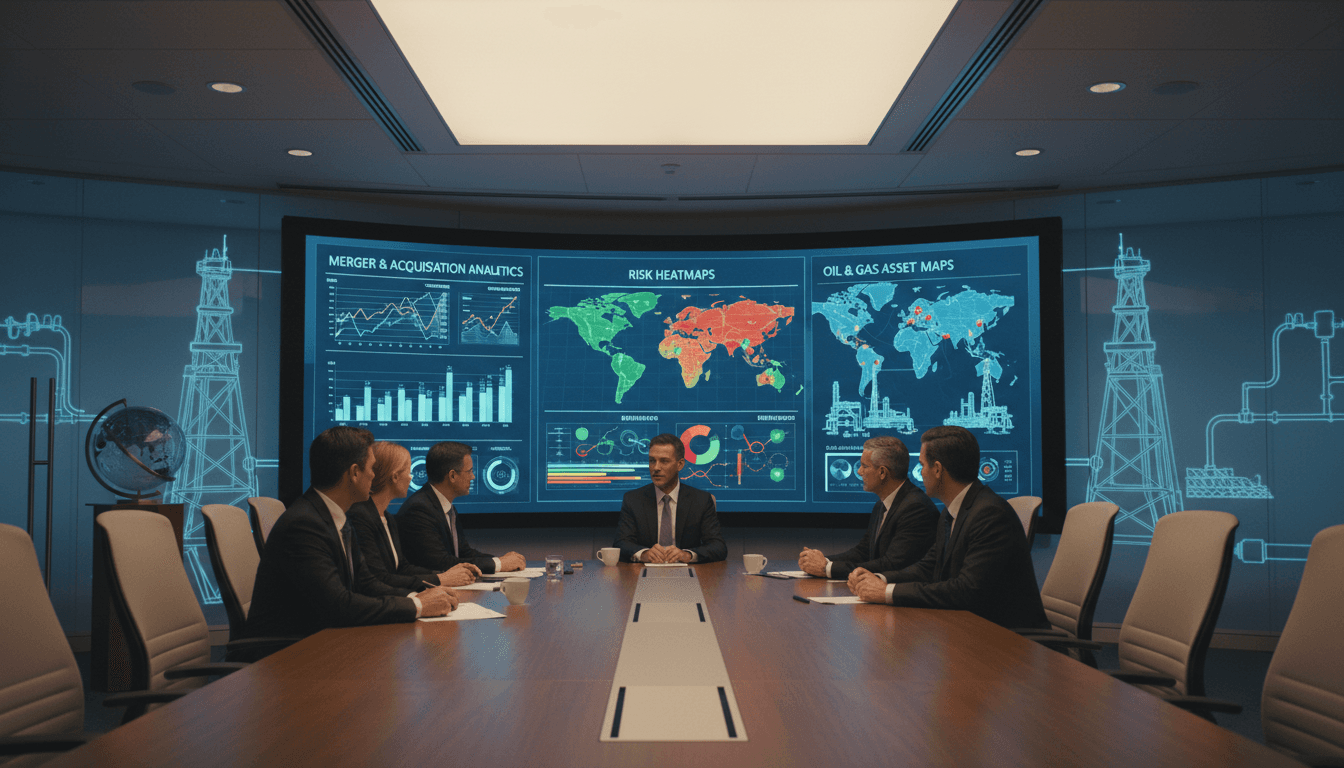
Chevron–Lukoil келісімі: M&A-да AI не шешеді?
2026 жылдың басында мұнай-газдағы ең қызық сюжеттердің бірі — Chevron бастаған консорциумның Lukoil-дың халықаралық активтерін сатып алу үшін келіссөздерді жалғастырып жатқаны. Reuters дерегіне сүйенсек, бұл талқылаулар Lukoil-дың Carlyle-мен алдын ала, эксклюзивті емес мәмілеге қол қойғанына қарамастан жүріп жатыр және процесте АҚШ шенеуніктерімен келісу сияқты шарттар бар.
Мұндай мәмілелер сырттай «ақша және саясат» сияқты көрінеді. Бірақ практикалық деңгейде бұны шешетін нәрсе — дерек (data). Қай актив қандай тәуекел алып келеді, санкциялық шектеулер қалай өзгеруі мүмкін, оффтейк келісімшарттары қаншалықты мықты, операциялық шығындар қай жерде «жасырынған», ESG талаптары қай елде қатаң — осының бәрі M&A-ның экономикалық мәнін бір күнде өзгерте алады.
Осы пост — біздің “Қазақстандағы энергия және мұнай-газ саласын жасанды интеллект қалай түрлендіріп жатыр” сериясының логикалық жалғасы. Негізгі ойым: AI (жасанды интеллект) M&A-ны «батыл болжамнан» өлшенетін инженерияға жақындатады. Бұл Қазақстан компаниялары үшін де маңызды, өйткені біз де серіктестік, актив портфелін басқару, сервистік келісімдер және қаржыландыру құрылымдарын қайта қарау кезеңіне кіріп келеміз.
Бұл келіссөздер нені көрсетеді: актив емес, опция үшін күрес
Нақты жауап: Chevron-ның Lukoil активтеріне қызығушылығы — тек «бір активті сатып алу» емес, болашақтағы нарыққа кіру опциясын сатып алу.
Lukoil-дың халықаралық активтері — әртүрлі юрисдикция, әртүрлі тәуекел профилі және әртүрлі ақша ағыны. Мұндай портфельде «бір батырма» жоқ: бір актив тұрақты табыс әкелсе, екіншісі геосаяси қысымға көбірек ұшырайды, үшіншісінде логистика мен қауіпсіздік бірінші орынға шығады.
Эксклюзивті емес алдын ала келісім — нарықтағы классикалық сигнал: сатушы бағаны өсіргісі келеді, ал сатып алушылар тәуекел мен реттеуші талаптарға байланысты альтернатива ұстайды. Бұл жерде АҚШ ресми органдарымен келісу жай формалдылық емес. Санкция, экспорттық бақылау, төлем арналары, бенефициарлық құрылымдарға қатысты талаптар мәміленің құрылымын түбегейлі өзгерте алады.
Қазақстан контекстінде сабақ қарапайым: ірі энергетикалық келісімдердің құны активтің өзінде емес, тәуекелді өлшеу қабілетінде. Ал өлшеу үшін жақсы дерек және оны талдайтын жүйе керек.
M&A-дағы AI-дың нақты жұмысы: «аналитика» емес, шешім қабылдау фабрикасы
Нақты жауап: AI M&A процесінде үш жерде ең үлкен әсер береді: due diligence, тәуекел модельдеу, синергияны дәл есептеу.
1) AI due diligence-ті жылдамдатады (және кейде қателікті азайтады)
Дәстүрлі due diligence — жүздеген папка, мыңдаған бет келісімшарт, техникалық есеп, инвойс, инцидент журналы. AI мұнда «слайд жасау» үшін емес, нақты ауыр жұмысты қысқарту үшін керек:
- Келісімшарттардан change of control, айыппұл, форс-мажор, оффтейк шарттары сияқты баптарды автоматты түрде шығару
- Қызмет көрсету келісімдеріндегі баға индексациясын, SLA бұзылуын, жасырын міндеттемелерді анықтау
- Қауіпсіздік оқиғалары, тоқтап қалу (downtime) және жөндеу тарихынан тәуекел картасын құрастыру
Менің байқағаным: көп компанияда мәселе AI-да емес, құжаттардың сапасы мен құрылымында. Егер активтің операциялық дерегі шашыраңқы болса (PDF, e-mail, скан), ең мықты модельдің өзі баяулайды. Сондықтан M&A-ға дайындық — көбіне дерек тәртібінен басталады.
2) Геосаяси және санкциялық тәуекелді сценариймен басқару
M&A-дағы ең қауіпті нәрсе — «бір сценарийге» сеніп қалу. Әсіресе Ресеймен байланысты активтерде сценарий саны көп: реттеу күшейеді, әлсірейді, төлем арналары өзгереді, сақтандыру құны өседі, тасымал бағыты қайта құрылады.
AI мұнда екі бағытта пайдалы:
- Сценарий генерациясы: нарық сигналдары, регулятор мәлімдемелері, сот істері, жеткізу тізбегі деректері арқылы ықтимал өзгерістерді ертерек көру.
- Сандық әсерін есептеу: әр сценарийдің EBITDA, capex, working capital, дисконт мөлшерлемесіне әсерін модельдеу.
Маңыздысы: бұл «болжау» емес. Бұл — шешім қабылдауға арналған стресс-тест. Басшыларға керек нәрсе: “ең ықтимал не болады?” емес, “ең жаман жағдайда біз тірі қаламыз ба және қай жерде тоқтаймыз?”
3) Синергияны «маркетингтен» нақты жоспарға айналдыру
Синергия деген сөз көп айтылады, аз өлшенеді. AI мен кеңейтілген аналитика синергияны нақтылауға көмектеседі:
- Қойма мен қосалқы бөлшек қорын оңтайландыру (біріккен procurement)
- Логистика маршруттарын қайта есептеу
- Қызмет көрсету мердігерлерін біріктіру және техникалық қызмет көрсету кестесін predictive maintenance арқылы қысқарту
Бұл әсіресе Қазақстандағы мұнай-газ компанияларына жақын тема: өндіріс пен сервистің шығыны көп жерде дерекке емес, әдетке сүйеніп басқарылып келеді. AI осыны өзгерте алады.
Неге дәл қазір: энергия нарығының жаңа ережесі — жылдамдық пен дәлдік
Нақты жауап: 2026 жылы энергия секторында жеңетіндер — активті көп алғандар емес, тәуекел мен ақша ағынын ең тез қайта есептей алатындар.
Chevron–Lukoil сюжетінен бір нәрсе айқын: бір активке бірнеше тарап қызығуы мүмкін, бірақ мәміле жабылуы үшін сатып алушыда үш қабілет болуы керек:
- Реттеушімен жұмыс істейтін құрылым (compliance-by-design)
- Таза қаржылық модель (бір көзден дерек, аудит ізі)
- Интеграция жоспары (Day-1 дайындық)
Осы үштіктің бәрі дерекке тіреледі. Ал деректі қолмен жинап, Excel-мен құрастыру — баяу. Нарық баяу күтпейді.
Қазақстанда да осы логика жүріп тұр: кен орындарын цифрландыру, SCADA/IoT деректерін біріктіру, өндірістік қауіпсіздік, қаржылық жоспарлау — бәрі операциялық жылдамдықты көтереді. M&A болсын, бірлескен кәсіпорын болсын, тіпті сервистік тендер болсын — AI сізді «тез есептейтін» тарапқа шығарады.
Қазақстан компанияларына практикалық чек-лист: M&A-ға AI дайындық
Нақты жауап: M&A-ға дайындық үшін ең дұрыс қадам — «модель сатып алу» емес, дерек архитектурасын және басқару тәртібін орнату.
Төмендегі чек-листті көп компанияға ұсынуға болады (сатып алушыға да, сатушыға да):
1) Дерек инвентаризациясы (30 күндік жұмыс)
- Қандай жүйелер бар: ERP, EAM/CMMS, SCADA, HSE, procurement
- Қандай дерек қайда жатыр, кім иесі
- Қандай дерек «сенімді шындық көзі» (single source of truth) болуы керек
2) Due diligence data room-ды AI-ға «оқылатын» ету
- Құжаттарды құрылымдау (метадерек, нұсқа бақылауы)
- OCR сапасын стандарттау
- Келісімшарттарды бір форматқа келтіру
3) Тәуекелдің 10 көрсеткішін алдын ала есептеу
Мысалы:
- Downtime жиілігі және себептері
- Capex backlog
- HSE инцидент тренді
- Энергия тұтыну қарқындылығы
- Жеткізуші концентрациясы
- Оффтейк/тасымал келісімшарттарының қайта қаралу тәуекелі
4) «Сценарий кітапханасын» жасау
- Базалық, негатив, стресс
- Әр сценарийге: қаржы әсері + басқару әрекеті (mitigation playbook)
5) Интеграцияның Day-1/Day-100 жоспары
AI-дың құны көбіне мәміледен кейін ашылады. Day-1-де кім не істейді, қандай KPI өлшенеді, қандай жүйе қай күні бірігеді — бұлар алдын ала жазылмаса, синергия қағазда қалады.
Дәл өлшенбейтін синергия — синергия емес. Ол жай ғана үміт.
“People also ask”: энергетикадағы M&A үшін AI туралы қысқа жауаптар
AI M&A-да адамдарды алмастыра ма? Жоқ. Бірақ ол аналитиктердің «қолмен теру» жұмысын азайтып, басшыларға тез шешім қабылдауға мүмкіндік береді.
Қай жерде AI ең көп қате жібереді? Нашар құрылымдалған деректе және контексті жоқ құжатта. Сондықтан data governance бірінші.
Қазақстанда неден бастау дұрыс? Бір активтің (кен орны немесе электр станциясы) деректерін біріктіріп, тәуекел/KPI панелін жасап көріңіз. Бір пилот — жүз презентациядан пайдалы.
Келесі 12 айда не өзгереді: «AI-ready активтер» қымбаттайды
Нақты жауап: нарықта «цифрлық тәртіпке» келген активтерге премиум қосылады, өйткені оларда тәуекел жылдам өлшенеді.
Chevron–Lukoil келіссөздері сияқты кейстер көбейген сайын сатып алушылар екі нәрсеге көбірек төлейді: айқындық және бақылау. Айқындық — деректен, бақылау — процестен шығады. Бұл Қазақстандағы мұнай-газ және энергетика компаниялары үшін нақты мүмкіндік: AI-ды өндіріс тиімділігі үшін ғана емес, стратегиялық мәмілелердің қаржылық тілінде де қолдану.
Егер сіздің командаңыз 2026 жылы портфельді қайта қарап жатса (актив сатып алу, сату, JV, ұзақмерзімді оффтейк), бір сұрақты өзіңізге қойыңыз: біз тәуекелді бір аптада есептейміз бе, әлде бір тоқсанда ма? Айырмашылық — мәміле бағасында да, мәміленің жабылу ықтималдығында да көрінеді.