Stop treating Google Antigravity like a chatbot. Learn 7 orchestration principles to turn AI agents into a coordinated creative team for true Vibe Marketing.
Most teams using AI for marketing are stuck in “single chat mode.” They paste a prompt, wait, copy the result somewhere else, and then complain that AI feels generic, off-brand, or hard to control.
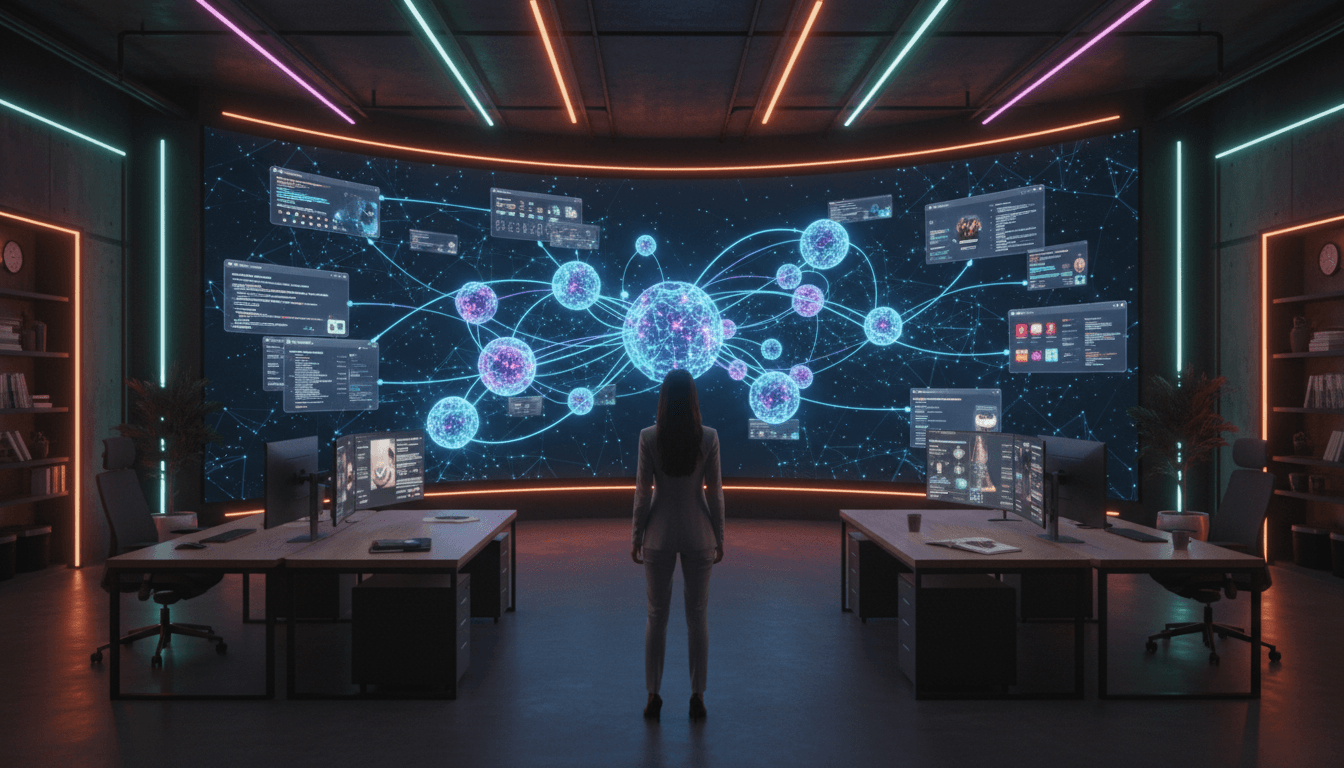
The reality? Tools like Google Antigravity aren’t chatbots. They’re orchestration platforms. Used properly, they’re closer to a tech lead managing a squad of AI agents than a single bot answering questions.
This matters for Vibe Marketing because vibes don’t come from random outputs. They come from coordinated systems: story, data, emotion, and experience all pulling in the same direction. That’s exactly what orchestration is built for.
In this post, inspired by the AI Fire Daily episode “Stop Treating Google Antigravity Like a Chatbot,” we’ll break down 7 orchestration concepts and how brands can use them to build richer, more emotional, and more effective campaigns.
1. From Linear Chat to Agent Manager
If you use Antigravity like one long chat thread, you’re leaving 80% of its power on the table.
The core shift is this: stop talking to “an AI,” start managing a team of AI agents with clear roles.
In Antigravity, that looks like:
- A Frontend agent focused on UX, visuals, and microcopy
- A Backend or Systems agent focused on data, APIs, and integrations
- A Researcher agent focused on insight gathering, competitors, and audience language
Instead of one messy chat, you work through an Inbox System: separate conversations per agent, all orchestrated toward one goal.
Why this matters for Vibe Marketing
Vibe Marketing is about unifying emotion and intelligence. That doesn’t happen when:
- The same agent is writing copy, doing analytics, and pseudo-coding workflows
- Research gets mixed into production prompts
- Strategy, story, and execution all share one chaotic thread
Orchestration lets you:
- Keep strategy and execution in different agents
- Preserve brand voice in one dedicated “Brand Guardian” agent
- Use a Campaign Architect agent to keep everything aligned with your vibe pillars
Once you make this mental switch, AI stops feeling random and starts feeling like a creative squad.
2. Asynchronous Feedback: “Vibe Flow” While Work Is in Motion
One of the most powerful orchestration ideas from the episode is asynchronous feedback — what they call “Vibe Flow.”
Instead of:
- Sending a giant prompt
- Waiting for a full output
- Starting over once you spot errors
…you guide the agent mid-stream. Think of it like art direction while the designer is still sketching.
How asynchronous feedback changes the game
You:
- Inject inline corrections while the agent is coding or generating content
- Refine tone, structure, and constraints without resetting the whole process
- Treat the AI like a collaborator, not a vending machine
For example, while an agent is building a landing page:
- You notice the tone feels too formal
- Instead of restarting, you send: “Shift voice to more conversational, 7/10 energy, keep structure, keep the hero but rewrite subhead with a stronger emotional hook.”
The agent adjusts within the same flow.
Why marketers should care
If you’re serious about Vibe Marketing, you can’t afford to:
- Burn 30 minutes per iteration
- Lose every good line every time you refine the brief
- Constantly copy-paste between tools
Asynchronous feedback keeps the emotional arc of your campaign intact while you refine details live. It’s how you preserve the “vibe” while still demanding quality.
3. Browser Automation: Self-Healing Experiences
Most people still treat AI as something that generates static content. Orchestration platforms like Antigravity flip that.
With browser automation, an AI agent can:
- Launch a real browser
- Interact with your live site or funnel
- Audit layouts, text, and flows
- Grade the experience
- Propose and sometimes even apply fixes
This is what the episode calls “Self-Healing”: agents that don’t just produce assets, but monitor and tune the experience.
Practical marketing uses
Here’s how a brand using Vibe Marketing principles might use self-healing workflows:
-
Landing page tune-ups
An agent opens your latest campaign page, checks:- Hero clarity
- Scroll depth
- CTA visibility
- Message consistency vs. your brand guidelines
Then it returns with an annotated report: what breaks the vibe, where the emotion drops, and suggested copy/design fixes.
-
Onboarding checks
A browser agent signs up like a user, watches for friction, long forms, or off-brand moments, and flags them. -
Social preview audits
It posts test links into a sandbox, checks Open Graph previews, and rewrites titles and descriptions to better match the emotional tone of your campaign.
In other words, AI isn’t just generating content; it’s walking through your experience the way a human would and helping you keep the story tight.
4. Artifacts: From Plan → Refine → Ship
The episode hints at a powerful pattern: Artifacts — stable objects that represent the state of work.
Instead of a thousand scattered prompts, you maintain structured artifacts like:
- Campaign brief
- Audience persona pack
- Brand voice guide
- Landing page blueprint
- Email sequence map
Each artifact moves through a loop:
Plan → Generate → Review → Refine → Approve → Reuse
Why artifacts beat random outputs
When you work artifact-first:
- You stop rewriting briefs from scratch each time
- You can keep strategy artifacts separate from execution artifacts
- Agents can reference the same single source of truth
For Vibe Marketing, a strong set of artifacts might include:
- Vibe North Star: a one-pager distilling emotion, story, and desired feeling across channels
- Language Palette: must-use phrases, banned phrases, tone sliders (calm → hype, formal → casual)
- Journey Narrative: how the emotional story evolves from first touch to retention
Antigravity’s orchestration mindset basically says:
Don’t chat about your ideas. Turn them into reusable objects that agents can build on.
That’s how you create consistent vibes across campaigns, not one-off lucky hits.
5. Parallel Agents: Multithreaded Creativity
A big theme of the episode is ditching linear work for parallel orchestration.
Instead of:
- Doing research
- Then writing copy
- Then drafting emails
- Then designing visuals
…you spin up multiple agents at once, each working on its piece based on shared artifacts.
What this looks like in practice
For a product launch:
- A Researcher agent compiles audience language, objections, and competitor angles
- A Copy agent builds the core narrative, hooks, and offers
- A Lifecycle agent drafts the email/SMS sequence
- A UX agent proposes layout and interaction patterns
All of them reference your Vibe North Star and Brand Voice Guide artifacts.
Then you orchestrate:
- Merge research insights into copy
- Feed copy into UX for layout suggestions
- Hand off the approved narrative to the lifecycle agent for nurturing flows
You’re not waiting for one step to finish before another starts. You’re running your own small AI agency.
Why parallel matters for vibe
Emotion decays when projects drag. Parallel orchestration:
- Shortens feedback loops
- Keeps your team in the same emotional headspace
- Lets you test more creative angles before the moment passes
Brands that learn this model will feel faster and more coherent than brands stuck in “one prompt, one output” land.
6. Orchestrated Personalization: AI With a Point of View
Most “AI personalization” is shallow: swap the name, tweak a line or two, and call it a day.
Orchestration platforms enable something deeper:
- One agent maintains a unified customer understanding (segments, behaviors, preferences)
- Another agent owns story arcs for each segment
- A third agent handles channel-specific expression (email vs. ads vs. social)
Because they’re orchestrated around the same artifacts, you get:
- Consistent emotional tone for each persona
- Stories that evolve over time, not just repeat
- Campaigns that respect context: where someone is in the journey
Example: From “Hey {FirstName}” to real vibe
For a community-driven SaaS brand:
- The Persona agent maintains 3–5 key segments: builders, operators, creators
- The Story agent maps a different emotional journey for each segment
- The Channel agent adjusts that journey for:
- A carousel on social
- A nurture email
- A webinar follow-up
Instead of robotic personalization, you’re orchestrating coherent mini-worlds for each audience. That’s where community and real connection start to form.
7. Human–AI Co-Leadership: You’re the Director, Not the Typist
The biggest mindset change from the episode is this: you’re not a prompt writer; you’re a tech lead.
In Vibe Marketing terms, you’re the creative director of a multi-agent system.
Your job shifts from “come up with perfect prompts” to:
- Define roles and responsibilities for each agent
- Maintain high-quality artifacts
- Give clear asynchronous feedback
- Set the emotional and strategic direction
AI’s job is to:
- Do the legwork
- Generate options
- Run tests
- Self-check its own work through tools like browser automation
When teams make this shift, a few things happen fast:
- Output quantity goes way up (parallel agents)
- Output quality becomes more consistent (artifacts + feedback)
- Brand vibe feels stronger and more intentional across touchpoints
And crucially: your human team has more time for the hard stuff — strategy, relationships, taste, and judgment.
Bringing It All Together for Vibe Marketing
If you treat Google Antigravity like ChatGPT, you’ll get generic chatbot results. If you treat it like an orchestration platform, you get something closer to a creative studio that never sleeps.
The orchestration mindset looks like this:
- Use an Agent Manager and Inbox System instead of one mega chat
- Guide work with asynchronous feedback instead of endless restarts
- Let agents self-heal your experiences with browser automation
- Anchor everything in artifacts so your vibe is consistent
- Run parallel agents to compress timelines and increase creativity
- Build orchestrated personalization instead of shallow name-swapping
- Step into human–AI co-leadership, where you direct the show
For brands leaning into Vibe Marketing — where emotion meets intelligence — this isn’t optional anymore. It’s the difference between AI that feels like a gimmick and AI that becomes a real strategic advantage.
If you’re planning your next campaign, ask yourself:
Am I chatting with an AI, or am I orchestrating a team?
Your answer will say a lot about the kind of vibe your brand puts into the world this year.