Andaz One Bangkok’s opening shows how AI personalization and predictive operations fit modern lifestyle hotels. Practical ways to improve guest experience and margins.
AI-Powered Hospitality Lessons from Andaz One Bangkok
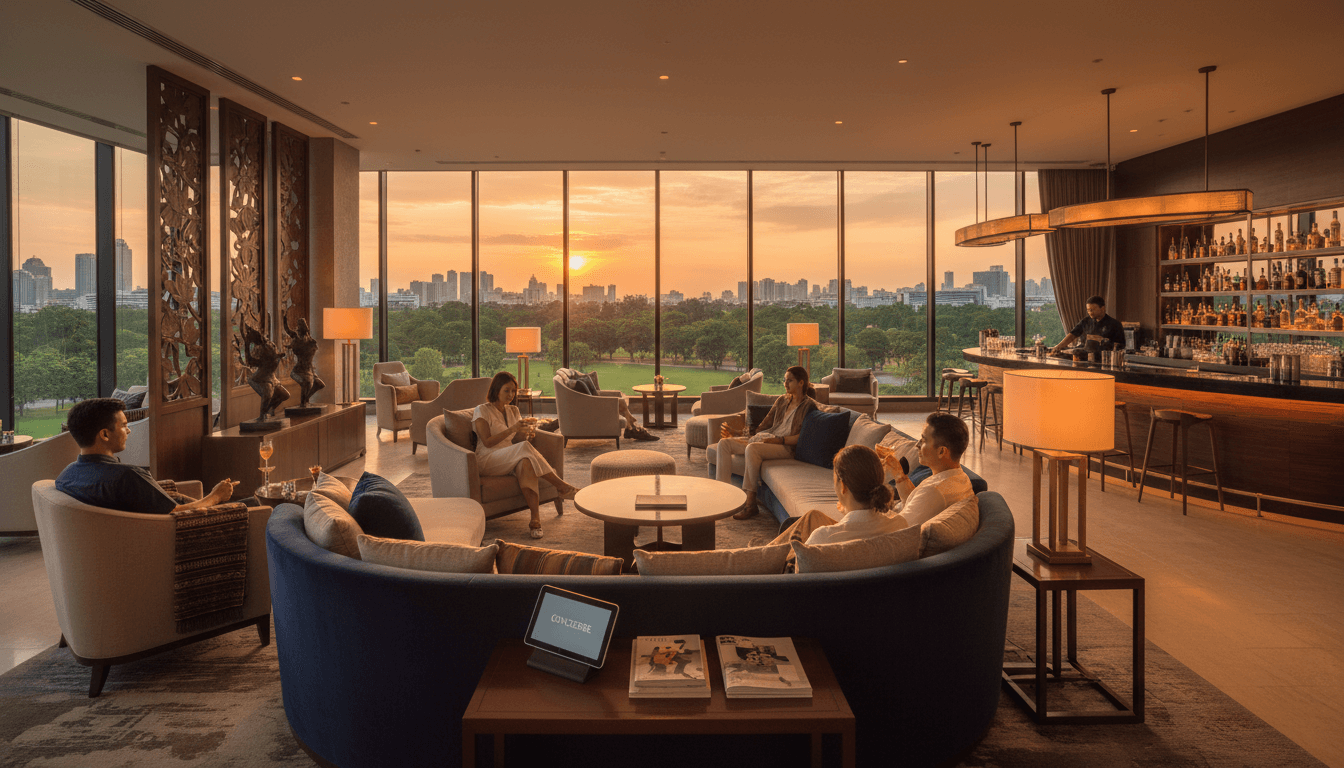
Bangkok just got a new lifestyle address: Andaz One Bangkok opened on 19 December 2025, right on Wireless Road beside Lumphini Park, inside the massive One Bangkok district. New hotel openings are usually about design, dining, and a few glossy hero images. But if you work in tourism or hospitality, this one should also make you think about something else: how modern urban hotels are being built as “data-ready” experiences, even when the press release doesn’t say the word AI.
Here’s the thing about पर्यटन और आतिथ्य उद्योग में AI: the winners aren’t the brands with the fanciest chatbot. The winners are the hotels that connect location, layout, operations, and guest touchpoints into a system that can learn. Andaz One Bangkok is a strong case study because it combines high footfall, a mixed-use district, and a lifestyle promise that depends on personalization.
This post breaks down what the opening tells us about AI in hospitality—from AI-driven personalization to predictive demand forecasting, and how hotels can design service that feels human even when it’s powered by algorithms.
Why a new “urban lifestyle” hotel is an AI case study
A hotel like Andaz One Bangkok succeeds or fails on the small moments: check-in speed, room preferences remembered, dining recommendations that don’t feel generic, and staff who seem to know what matters to you without being creepy.
That’s exactly where AI customer experience in hotels fits. Not as a tech showpiece—more like a backstage crew. In a lifestyle property, guests don’t just buy a bed. They buy taste, tempo, and local connection. The brand promise (“curious urban travelers”) is basically a personalization brief.
Andaz One Bangkok’s context makes it even more relevant:
- Mixed-use district (One Bangkok): workplaces, retail, residences, culture, green space, and entertainment in one ecosystem
- Direct MRT access and airport connectivity: constant movement of business travelers, weekenders, and international arrivals
- Park adjacency (Lumphini Park views): a clear “why this hotel” differentiator that can shape upsell and experience design
When you have that much variety in guest intent, you either standardize (and become forgettable) or you personalize at scale (and become sticky). AI makes the second option operationally realistic.
Personalization that feels like hospitality, not surveillance
Good AI personalization doesn’t start with a chatbot—it starts with decisions. What will you personalize? How will you do it consistently? What data will you not collect?
Andaz One Bangkok has the raw material for meaningful personalization: 244 rooms and suites, a 24-hour Andaz Lounge, multiple restaurants with different moods, and a location that supports both “work trip efficiency” and “city discovery.”
What AI-driven personalization could look like here (practical examples)
Instead of “Dear Guest” emails and random upsells, you build micro-personalizations that stack up into a premium feel:
- Arrival preference prediction: frequent business traveler + short stay + late arrival → offer mobile check-in, express key pickup, quiet-room allocation by default
- Room assignment logic that respects intent: solo corporate guest → higher floor, away from elevator; family weekend → nearer to pool/facilities
- Minibar and snack tailoring: the property already includes a complimentary non-alcoholic minibar with local snacks; AI can rotate options by guest segment (health-focused, spicy/local snack lovers, caffeine preference)
- Park-view upsell timing: guests searching wellness, “green space,” or running routes respond better to park-view upgrades than generic suite offers
- Dining nudges that match behavior: guests who linger in the lounge evenings → suggest rooftop supper club vibe; early risers → highlight breakfast at Jǐng and park-morning rituals
A line I use internally with teams: Personalization is only impressive when it saves the guest time or reduces decision fatigue. Anything else is just marketing.
The privacy line hotels should not cross
The fastest way to ruin a lifestyle brand is to sound like you’re tracking people. AI should be constrained by clear rules:
- Use first-party signals (booking choices, stated preferences, loyalty history)
- Prefer on-device or session-based recommendations where possible
- Offer easy opt-outs and plain-language explanations
If your staff can’t explain why the system recommended something, the system is too complex—or too invasive.
Predictive demand and staffing: location still matters (and AI makes it actionable)
Andaz One Bangkok’s location is the point: Wireless Road, MRT access, expressway links to both major airports, and an integrated district with offices and entertainment. That means demand won’t behave like a resort. It will spike and dip by:
- weekday corporate patterns
- major events at the LIVE entertainment arena
- retail and holiday shopping flows (December is peak for city shopping + year-end travel)
- MICE seasonality and airline capacity shifts
AI demand forecasting in hotels is where operators can win money back quietly—through smarter labor planning, inventory strategy, and rate integrity.
What “predictive” looks like in daily operations
A practical predictive stack for an urban lifestyle hotel includes:
- Occupancy and arrival curve forecasting (by daypart, not just day)
- Housekeeping workload prediction (check-outs, long-stays, late check-outs)
- Restaurant covers forecasting by outlet (Jǐng vs Andaz Terrace vs Piscari)
- Lounge utilization forecasting (24-hour spaces need staffing precision)
- Maintenance prediction (high-usage floors, HVAC load, elevator patterns)
The goal isn’t perfection. It’s fewer expensive surprises.
A simple operator truth: if you can predict peaks 48–72 hours earlier, you can fix staffing and inventory before service quality takes the hit.
Where most hotels get this wrong
They treat forecasting as a revenue team problem. In reality, forecasting is a guest experience tool.
When forecasting is shared across departments, you avoid:
- long check-in lines at peak arrival windows
- under-prepped breakfast service on high-occupancy mornings
- slow response times because engineering is stretched
- overstaffed quiet periods that burn payroll
That’s the operational heartbeat of AI in tourism and hospitality: better anticipation, fewer frictions.
Designing “smart spaces” that don’t feel like tech
Andaz One Bangkok’s “Vertical Neighborhood” concept—multiple moods stacked in one tower—maps nicely to how AI should work: quietly adapting by context.
A smart hotel doesn’t need robots in the lobby. It needs systems that understand different zones:
- Guestroom: rest, privacy, fast fixes
- Lounge: social energy, light-touch service, timing matters
- Rooftop: vibe management, reservations, crowd flow
- Pool and fitness: capacity and comfort, not chaos
AI applications that improve the space (without turning it into a gadget showroom)
- Queue prediction and flow control: anticipate surges at check-in and breakfast; shift staff preemptively
- Dynamic ambiance: lighting/music adjustments by time, occupancy, and guest mix (subtle, not gimmicky)
- Smart maintenance routing: prioritize issues that impact guest comfort first (AC performance, water pressure, elevator wait)
- Service recovery triggers: if a guest has a delay, a complaint, or multiple small issues, the system prompts a human follow-up fast
The best AI here behaves like a great supervisor: it notices patterns humans can’t track in real time, then gives staff clearer priorities.
Food, beverage, and the next step: AI that protects margins
This property’s dining lineup is designed to be a destination: Jǐng for Chinese cuisine across the day, Andaz Terrace for al fresco and tea programs, and Piscari on the 23rd floor with Mediterranean sharing plates, DJ energy later, and a hidden speakeasy feel.
F&B is where lifestyle hotels can print brand value—or bleed profit. AI helps when it’s used for fundamentals:
Three high-impact AI use cases for hotel F&B
-
Menu engineering with real demand signals
- Identify items that drive repeats vs one-time curiosity
- Track cross-sell pairs (which tea program leads to which pastry)
-
Waste reduction forecasting
- Predict covers and adjust prep to reduce spoilage
- Align purchasing with event calendars and hotel occupancy
-
Reservation and pacing optimization
- Avoid “all guests arrive at 7:30” disasters
- Protect kitchen rhythm and service quality
If you want one KPI that matters: food waste reduction is both margin-positive and sustainability-positive. Hotels that treat it as a data problem tend to outperform those that treat it as a staff-discipline problem.
A practical AI blueprint for new hotels (and renovations)
If you’re building or relaunching a property—especially in a dense city—copy the thinking, not the furniture.
Step 1: Choose 5 moments that must feel effortless
For an urban lifestyle hotel, I’d pick:
- booking confirmation clarity
- arrival/check-in
- first room impression (temperature, lighting, noise)
- breakfast and coffee speed
- local discovery recommendations that feel personal
Step 2: Connect the data you already have
Most hotels already generate the signals needed for AI:
- PMS/CRM history
- channel and rate code patterns
- outlet POS data
- housekeeping and maintenance logs
- guest messaging and issue tags
Don’t start by buying a new tool. Start by cleaning what you already capture.
Step 3: Automate only what doesn’t need empathy
Automate:
- reminders, confirmations, routing, prioritization, forecasting
Keep human:
- apologies, judgment calls, special occasions, nuanced requests
A solid rule: automation should reduce staff workload, not reduce staff presence.
Step 4: Measure what guests actually feel
Track metrics that correlate with experience:
- check-in time by arrival wave
- time-to-resolution for the first reported issue
- breakfast wait time
- repeat visit rate (or return intent)
- sentiment themes from feedback (noise, sleep, staff warmth)
What Andaz One Bangkok signals for 2026 hospitality
A property like this shows where the industry is headed: experience-forward hotels inside integrated districts, where guests expect speed, taste, and locality—without having to ask for it.
For the “पर्यटन और आतिथ्य उद्योग में AI” series, the point is clear: AI isn’t replacing hospitality. It’s protecting it. It frees teams from reactive chaos so they can focus on the moments that guests remember.
If you’re a hotel owner, operator, or brand leader, the next step is simple: identify one guest friction you can predict, one you can prevent, and one you can recover from faster. Then build your AI roadmap around that.
What’s the one part of your guest journey that still depends on luck—getting the “right” staff member on the “right” day—and how would your operation change if you could predict it?