Swiggy की quick commerce strategy से सीखें: AI demand forecasting, inventory और logistics कैसे scale और profitability दोनों संभालते हैं।
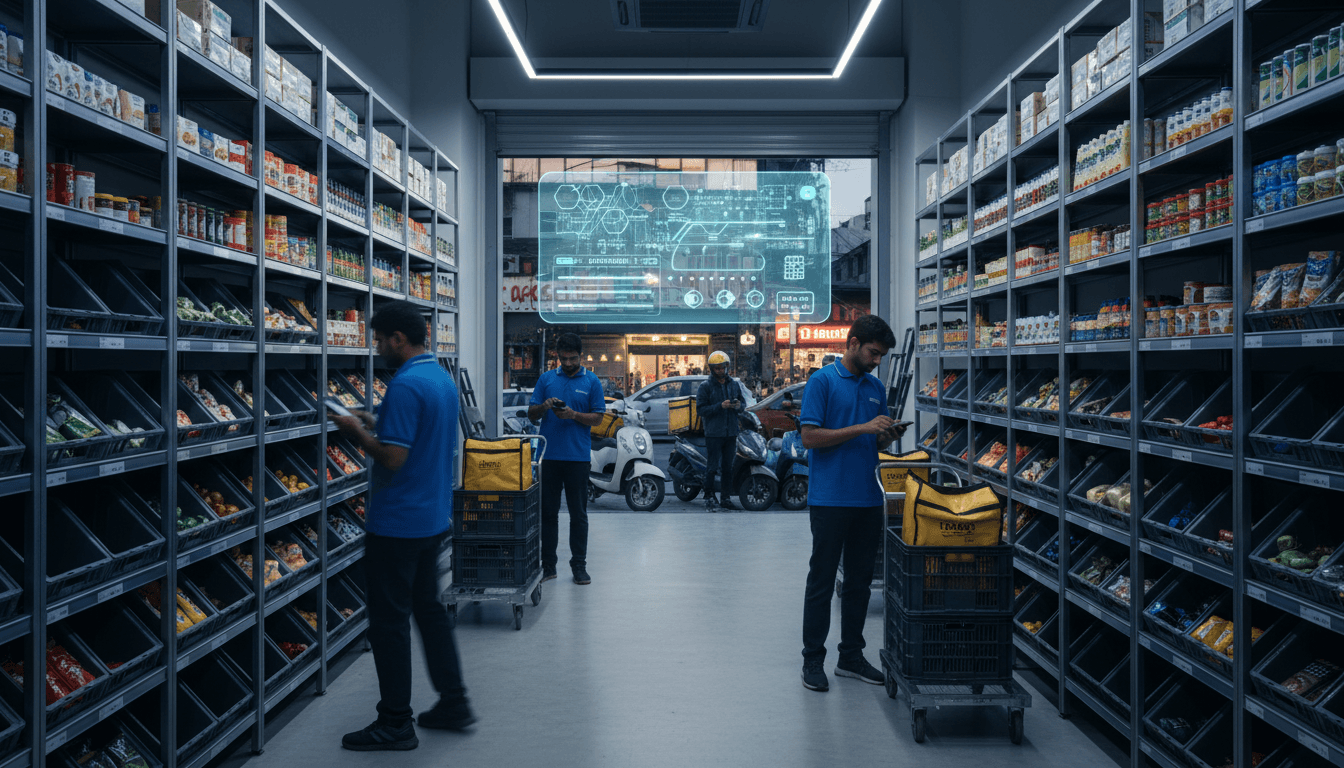
Swiggy का 2026 Quick Commerce Playbook: AI सबक
Swiggy के पास 2026 में जाने से ठीक पहले एक ऐसा हथियार है जो quick commerce में अक्सर “सब कुछ” तय कर देता है: लगभग $2 Bn deployable capital और एक product ecosystem जो अब सिर्फ food delivery तक सीमित नहीं रहा। लेकिन पैसा अपने आप जीत नहीं दिलाता। जीत दिलाती है वह क्षमता कि आप demand को मिनटों में समझें, inventory को सही micro-market में रखें, riders को सही route पर भेजें, और customer को वही दिखाएँ जो वह खरीदने वाला है—यानी, असल में AI + ऑपरेशंस।
भारत की quick commerce दौड़ अब “कौन तेज़ deliver करता है” से आगे निकल चुकी है। 10–20 मिनट delivery promise तो लगभग table stakes बन चुका है। असली battle है unit economics, repeat rate, high-AOV baskets, और scale पर burn control की। यही वजह है कि Swiggy Instamart का differentiated high-AOV model और ecosystem bets (food, quick commerce, newer product surfaces) 2025 की सबसे instructive case studies में से एक है—खासकर हमारी “ई-कॉमर्स और रिटेल में AI” series के लिए, जहाँ हम AI demand forecasting, recommendation engines, inventory management और customer analytics को practical lens से देखते हैं।
Quick commerce में AI का सबसे बड़ा काम speed बढ़ाना नहीं है—cost कम करना है, और वही speed को sustainable बनाता है।
Quick commerce में जीत का फॉर्मूला: Capital + AI + Discipline
Quick commerce में capital आपको runway देता है, लेकिन AI आपको steering wheel देता है। और discipline आपको crash से बचाता है। Swiggy के संदर्भ में यह trifecta इसलिए महत्वपूर्ण है क्योंकि market leaders और challengers दोनों अब “growth at any cost” की तुलना में predictable profitability timelines पर scrutiny झेल रहे हैं।
Swiggy ने 2025 में food delivery को relatively stabilise करने की कोशिश के साथ-साथ Instamart पर aggression दिखाया। इसका संकेत साफ है: company 2026 को quick commerce-first expansion के तौर पर देख रही है। ऐसी expansion का core सवाल होता है—
- कौन से शहर/पिनकोड में dark store खोलना है?
- किस assortment से शुरुआत करनी है?
- कितना inventory रखना है ताकि stockouts कम हों पर wastage न बढ़े?
- promo कहाँ चलाना है और कहाँ नहीं?
इन चारों सवालों का best answer data + AI models + tight feedback loops से आता है। और यही “AI-enabled scalable business model” का essence है।
Swiggy की स्थिति क्यों अलग है?
Swiggy के पास दो structural advantages दिखते हैं:
- High-frequency intent signals: food delivery orders से location, timing, cuisine preferences, price sensitivity, weather/seasonality patterns जैसी signals निकलती हैं। सही तरीके से anonymize और aggregate करके ये signals quick commerce demand forecasting में मदद कर सकते हैं।
- Ecosystem surfaces: एक ही app में multiple use cases होने से cross-sell और discovery के लिए recommendation engine को ज्यादा context मिलता है—यह CAC pressure कम कर सकता है।
लेकिन जोखिम भी real है: जितना बड़ा ecosystem, उतनी complex operations—और AI गलत train हुआ तो नुकसान भी scale पर होता है।
Demand Forecasting: 10 मिनट delivery की असली रीढ़
Demand forecasting का मतलब “अगले महीने कितनी sales होगी” नहीं है। Quick commerce में forecasting का मतलब है:
- अगले 2–6 घंटे में किस locality में क्या बिकेगा?
- अगले 2–3 दिन में किस SKU का spike आएगा?
- seasonality (Dec–Jan holiday, year-end parties, winter items) से क्या shift होगा?
December 2025 के context में यह और भी relevant है—year-end gatherings, gifting, घर पर छोटे events, और cold-weather consumption categories (instant snacks, beverages, OTC essentials) में volatility बढ़ती है। Quick commerce players का फायदा यही है कि वे micro-demand spikes पकड़कर inventory move कर सकते हैं।
Practical AI stack जो काम करता है
मैंने operators में एक pattern देखा है: जो teams forecasting को सिर्फ data science problem मानती हैं, वो अक्सर stuck हो जाती हैं। जो teams इसे ops + ML co-design मानती हैं, वो आगे निकलती हैं। एक workable setup:
- Model layer: SKU×store level forecasting (hierarchical time series + gradient boosting / deep learning where useful)
- Signal layer: weather, paydays, local events, competitor pricing, app traffic, search trends (internal)
- Decision layer: reorder points, safety stock, substitution rules
- Learning loop: stockouts और substitutions को training data में negative signals की तरह feed करना
Forecast accuracy का KPI अकेला नहीं होना चाहिए; “stockout minutes per store per day” और “waste/write-off rate” साथ track करें।
Inventory Management: Dark stores में AI का ‘profit center’ moment
Instamart जैसे models में inventory गलत बैठा तो दो नुकसान एक साथ आते हैं:
- Lost revenue: customer item नहीं पाता, basket टूटता है
- Higher cost: last-minute replacements, more rider time, refunds/CS load
यहाँ AI का सबसे बड़ा उपयोग assortment optimization और dynamic replenishment में है। High-AOV positioning का मतलब अक्सर होता है कि:
- premium SKUs का mix बेहतर हो
- impulse और convenience categories मजबूत हों
- basket building आसान हो (combos, frequently bought together)
Store-level assortment: एक startup-style rule
अगर आप quick commerce या किराना/retail tech startup बना रहे हैं, तो यह rule अपनाइए:
- हर dark store के लिए top 300–800 SKUs को “always in stock” bucket बनाइए
- बाकी long tail को “availability-by-confidence” से चलाइए
Confidence score के पीछे model हो सकता है, पर execution का नियम simple रहे। इससे ops टीम chaos से बचती है।
AI-driven substitution (और क्यों यह underrated है)
Substitution quick commerce का silent killer भी है और silent saver भी। Poor substitutions churn बढ़ाते हैं। Smart substitutions retention बढ़ाते हैं। AI यहाँ तीन काम करे:
- customer की past accept/reject preferences सीखना
- price delta और brand affinity को balance करना
- “substitution explainability” देना (क्यों यह replace चुना)
यह customer analytics का practical उपयोग है, और food delivery data यहाँ मदद कर सकता है (brand choices, spend bands)।
Recommendation Engines: Quick commerce में growth का सबसे सस्ता लीवर
Quick commerce में recommendation engine का लक्ष्य “engagement” नहीं—basket expansion है। खासकर जब competition Blinkit/Zepto जैसी companies से हो और promotions का war चल रहा हो, तब sustainable growth का रास्ता है:
- high-intent discovery (search + smart autosuggest)
- contextual recommendations (time, location, reorder cycles)
- bundle & attach (milk के साथ bread/eggs, chips के साथ salsa)
3 recommendation patterns जो 2026 में winner बनेंगे
- Replenishment personalization: “आप आमतौर पर हर 9 दिन में यह खरीदते हैं” जैसे nudges
- Meal moments: “आज रात 8 बजे” के लिए snack/party basket
- Price sensitivity routing: कुछ users को value packs, कुछ को premium picks
यहाँ stance साफ है: generic recommendations dead weight हैं। Quick commerce में UI real estate कम है, और गलत सुझाव conversion नहीं, friction बढ़ाता है।
Best recommendation engine वही है जो 2 सेकंड में basket में 2 आइटम जोड़ दे।
Logistics AI: Rider productivity ही असली moat है
Quick commerce अक्सर “speed brand” के रूप में market होता है, लेकिन business अंदर से routing, batching, picking efficiency का खेल है। Logistics AI में चार high-impact areas:
1) Slotting optimization
Warehouse/dark store में fast-moving SKUs को pick path के हिसाब से रखना। इसका असर सीधे “order picking time” पर पड़ता है।
2) Batch formation
एक rider एक trip में कितने orders ले? अगर batch गलत बना तो delay बढ़ेगा, cancellations बढ़ेंगी। AI यहाँ ETA prediction + order clustering से मदद करता है।
3) Dynamic routing
Traffic और building access realities को ध्यान में रखकर route adjust करना। Pure maps routing अक्सर insufficient होता है; quick commerce में building entry/exit time भी model करना पड़ता है।
4) Demand-shaping via pricing/promos
जब किसी locality में load बढ़े, तब promotions throttle करना या delivery fee adjust करना—यह “AI + pricing” का sensitive but powerful use है।
Swiggy से startups के लिए 5 actionable lessons (AI lens)
Swiggy का 2025–26 arc founders और operators के लिए एक साफ message देता है: AI को demo नहीं, discipline बनाइए। ये पाँच lessons practical हैं:
- One north-star per function: Forecasting team का north-star “stockouts ↓” हो, marketing team का “repeat rate ↑”, ops का “cost/order ↓”
- City expansion = model generalization test: नए शहर में वही model चलाना नहीं; retrain strategy और local priors चाहिए
- High-AOV strategy needs different ML: premium users के लिए price elasticity अलग होती है; segmentation careless हुआ तो margin गिरेगा
- Data moat तभी है जब feedback loops tight हों: stockouts, substitutions, returns—सब training data हैं
- Burn का इलाज सिर्फ cost cutting नहीं: सही AI use cases cost को structural तरीके से कम करते हैं—picking time, rider idle time, wastage
People Also Ask (operators version)
क्या quick commerce में AI बिना massive data के काम कर सकता है?
हाँ—अगर आप शुरुआत में rule-based + lightweight models रखते हैं। लेकिन जैसे ही stores बढ़ते हैं, data volume बढ़ेगा और model sophistication justified हो जाएगी।
सबसे पहले कौन सा AI use case implement करें?
Most teams के लिए fastest ROI: SKU-level demand forecasting + replenishment automation। इसके बाद recommendations और routing पर जाएँ।
AI adoption में सबसे common गलती क्या है?
Model बनाकर ops को सौंप देना। Quick commerce में model और ops एक ही system हैं—ownership shared होना चाहिए।
अब सवाल profitability timeline का है—और AI वही तय करेगा
Swiggy 2026 में cash-rich है, product ecosystem मजबूत है, और quick commerce में intent साफ दिख रहा है। लेकिन market का mood अब अलग है: investors growth के साथ credible profitability path मांग रहे हैं। यह path promotions से नहीं बनेगा। यह बनेगा AI-driven demand forecasting, inventory management, recommendation engines, और logistics optimization के boring-but-decisive काम से।
हमारी “ई-कॉमर्स और रिटेल में AI” series में यही thread लगातार दिखता है: AI का असली value flashy features नहीं, operational compounding है। अगले 12 महीनों में quick commerce winners वही होंगे जो capital को “burn fuel” नहीं, “learning fuel” की तरह खर्च करेंगे—और हर शहर के साथ अपने models को तेज़, सटीक और सस्ता बनाएँगे।
आपकी टीम अगर 2026 में quick commerce या retail scale पर जा रही है, तो खुद से एक सीधा सवाल पूछिए: आपका AI सिस्टम किस metric को हर हफ्ते बेहतर कर रहा है—और क्या ops टीम उसे महसूस कर रही है?