Target SoHo highlights where retail is headed: experiential stores powered by AI, omnichannel data, and personalisation that actually converts.
Target SoHo Shows What AI Retail Experiences Look Like
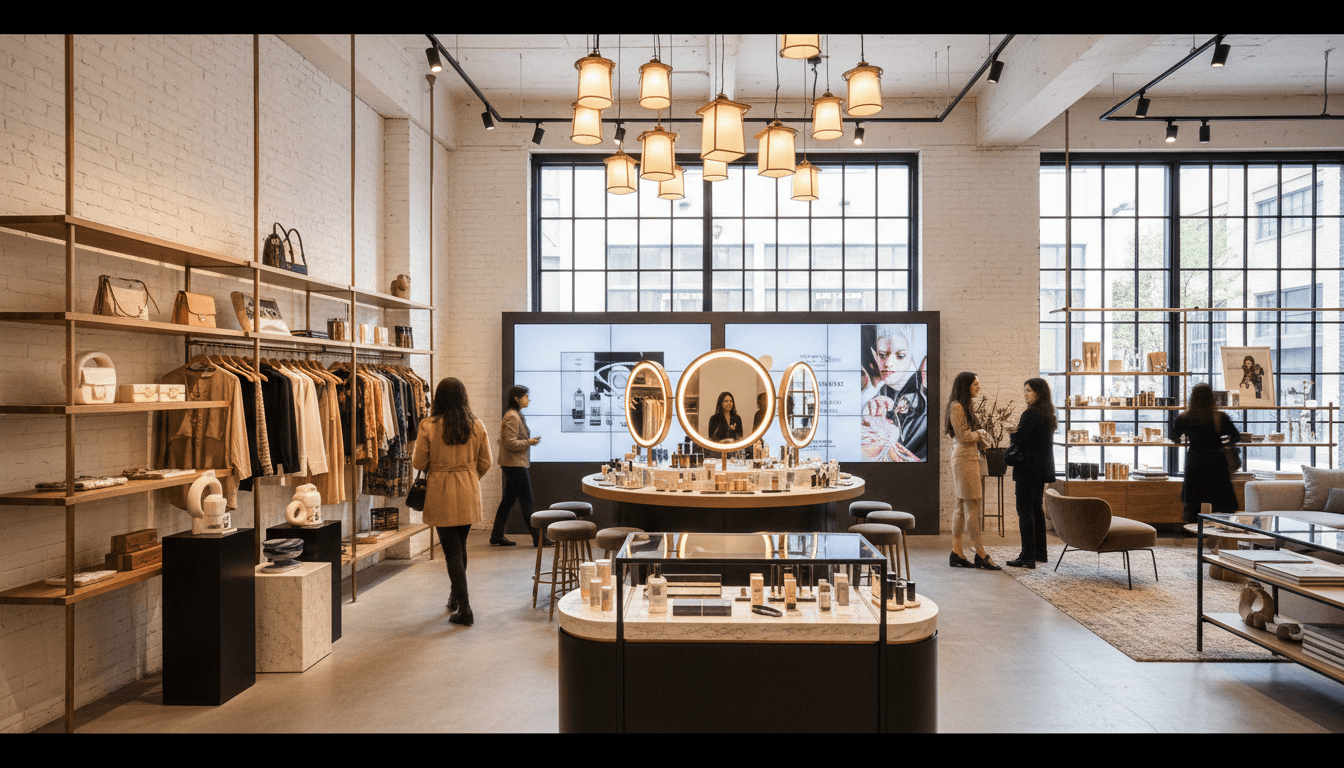
Target didn’t open a bigger store in SoHo—it opened a different kind of store. The new Target SoHo concept is built around “play, discovery and style,” with curated zones, rotating edits, and even a “Selfie Checkout” moment designed to make the last step of shopping feel like a finale.
That’s not just branding. It’s a signal that big-box retail has accepted a hard truth: stores can’t win on inventory alone. They win on relevance, speed, and how well they connect the physical visit to everything the customer already did online.
This post is part of our AI in Retail and E-Commerce series, where we’ve been tracking how retailers (including teams across Ireland) are using AI for customer behaviour analysis, personalised recommendations, pricing optimisation, and omnichannel retail. Target SoHo is a clean example of the next step: experience-led stores that beg for data and AI to run them well.
Why concept stores are back (and why most will struggle)
Concept stores are back because they give retailers permission to change fast. Traditional store formats are rigid: planograms lock you in, fixtures are expensive, and “refreshes” take months. A concept store flips the expectation—customers expect something different next time.
Target’s SoHo design leans into that with zones like:
- Curated By: seasonal edits with NYC tastemakers across fashion, beauty, and home
- The Drop @ Target SoHo: rotating seasonal styles to drive discovery
- Broadway Beauty Bar: rotating beauty picks, hand-selected by top beauty talent
- Selfie Checkout: a share-worthy photo moment at checkout
Here’s the problem: a rotating, experiential store is operationally harder than a normal one. The more you change, the more you risk:
- stocking the wrong depth in the wrong sizes/colours
- confusing customers who just want to “grab and go”
- making staff retrain every few weeks
- running activations that look great but don’t convert
This is exactly where AI belongs—not as a gimmick, but as the system that keeps an experience store profitable.
The real opportunity: AI turns “discovery” into measurable retail
“Discovery” is only valuable if you can connect it to conversion and lifetime value. Otherwise it’s just expensive theatre.
A concept store like Target SoHo creates loads of signals: dwell time in zones, attachment rates from curated displays, repeat visits after an activation, and social uplift from share-worthy moments. AI helps turn those signals into decisions.
From vibes to metrics: what to measure in experience-led retail
If you’re building anything like a concept store (or even a “concept corner” inside an existing footprint), measure these five things:
- Zone conversion rate: % of visitors to a zone who purchase from it
- Attach rate: items per basket driven by the zone (e.g., beauty add-ons)
- New-to-file customers: how many first-time shoppers the experience brings in
- Return rate by activation: whether “hype” creates regret purchases
- Repeat visit interval: do people come back sooner after events/refreshes?
AI is the glue because it can blend inputs that don’t naturally sit together—POS, loyalty/app behaviour, local demand patterns, and footfall—then recommend what to change next.
Personalised recommendations—inside the store, not just online
Most retailers already do some level of recommendation online. The missed opportunity is bringing that intelligence into physical retail without making it creepy or complicated.
Three practical ways to do it:
- App-led “store mode”: when customers opt in, the app turns into a personalised store guide (saved items, availability, aisle location, similar picks).
- Associate assist: staff tablets that surface customer-friendly suggestions (“people buying this dress often buy these shoes”), based on real inventory in that store.
- Smart curation rules: AI chooses which products earn limited display space based on local demand, margin, and seasonality.
The goal isn’t to flood shoppers with prompts. It’s to make discovery feel effortless.
Omnichannel retail: SoHo is a showroom unless the backend is tight
A design-forward store in a high-traffic neighbourhood creates demand spikes. If your omnichannel operations can’t handle that, the concept works against you.
For experience-led formats, omnichannel retail isn’t a “nice to have.” It’s how you prevent a great visit from turning into a lost sale.
What “seamless” actually means (without the buzzwords)
A strong omnichannel experience in a concept store boils down to four promises:
- Real-time availability customers can trust
- Fast fulfilment options (ship to home, pickup, same-day where possible)
- Returns that don’t punish the customer (and don’t destroy margin)
- Consistent pricing and promotions across app, site, and store
AI helps by predicting and preventing the messy parts:
- Demand forecasting by micro-location (SoHo doesn’t shop like the suburbs)
- Inventory optimisation for fast-moving “Drop” items and seasonal edits
- Labour forecasting that accounts for events and weekend surges
If you’re operating in Ireland, the same logic applies even at smaller scale: a flagship in Dublin behaves differently than regional locations, and tourist-heavy periods can distort demand. AI handles that variability better than spreadsheets.
Customer behaviour analysis: concept stores are basically live labs
Concept stores are real-world testing environments. They’re where you validate whether new categories, brands, layouts, and stories actually work.
Target’s SoHo plans to evolve “through 2026 and beyond” with new experiential zones, seasonal activations, plus café and event programming. That’s a long runway for experimentation—if the learning loop is built correctly.
A better testing loop for physical retail
Retailers often test like this:
- change a display
- watch sales for two weeks
- declare success/failure
That approach misses context (weather, pay cycles, tourism, competing promos, social buzz). A stronger approach uses AI-driven customer behaviour analysis to control for noise.
Here’s what works:
- A/B zones: split comparable displays across time blocks or store areas
- Cohort tracking: compare outcomes for first-time visitors vs repeat visitors
- Basket analysis: measure how activations change what people buy together
- Attribution modelling: estimate how much an in-store moment drives later online purchases
One stance I’ll take: if you can’t link store experiences to omnichannel outcomes, you’re guessing. That’s fine for a pop-up. It’s risky for an ongoing concept format.
What AI would add to Target SoHo’s standout zones
Target SoHo already has the stagecraft. AI is what makes the show profitable night after night. Here’s how AI can enhance each highlighted area without ruining the vibe.
Curated By: make tastemaker edits smarter, not louder
The risk with tastemaker curation is mismatch: what’s stylish isn’t always what sells in that store, this week.
AI can help the merch team:
- forecast which curated SKUs will need depth (sizes, shades, replenishment timing)
- recommend “pairings” that raise average order value (complete-the-look bundles)
- localise edits for neighbourhood patterns while keeping the tastemaker voice
The Drop: manage hype without stockouts and markdowns
Drops create two expensive outcomes: stockouts (missed sales) or overbuying (markdowns).
AI-driven pricing optimisation and forecasting can:
- predict demand curves by day and time
- set replenishment thresholds based on sell-through velocity
- flag “false hype” items early (high try-on, low conversion)
Broadway Beauty Bar: personalise discovery responsibly
Beauty is perfect for personalisation because needs are specific and repeatable.
AI can support:
- shade and skin-type matching (with explicit opt-in)
- replenishment reminders tied to purchase cadence
- cross-sell logic that’s actually helpful (“pairs well with”) rather than spammy
Selfie Checkout: turn a photo moment into a retention engine
A selfie moment is more than content. It’s a permission moment.
If customers choose to interact, retailers can:
- offer digital receipts plus personalised offers based on what was purchased
- invite them into a loyalty journey tied to events and new drops
- measure whether “shareable checkout” correlates with repeat visits
The line to respect: don’t convert a fun moment into surveillance. Clear consent and value exchange matter.
A practical playbook for retailers building an AI-powered concept space
You don’t need a full SoHo-style remodel to apply these ideas. Many retailers start with a single discovery zone, a rotating table, or a monthly “drop” wall.
Here’s a practical sequence I’ve found works for teams that want results (not hype):
- Start with one zone and one goal (e.g., increase attach rate in beauty by 10%).
- Instrument it lightly: POS tagging, basic footfall, simple dwell estimates.
- Connect online + store identities through loyalty/app opt-in.
- Run two-week cycles: refresh, measure, adjust. Keep it ruthless.
- Use AI where humans struggle: forecasting, assortment optimisation, and attribution.
- Train associates like stylists: scripts, bundles, and “if they like X, show Y.”
- Protect the customer experience: consent, transparency, and restraint.
If you’re leading omnichannel retail, this is the bigger idea: experience is the frontend; AI is the operating system.
What Target SoHo means for 2026 retail strategy
Target’s SoHo concept store is a bet that physical retail can be entertainment, inspiration, and a shopping channel at the same time. I agree with the bet—but only when the retailer can learn quickly and execute cleanly.
For the broader AI in Retail and E-Commerce conversation, the takeaway is straightforward: AI isn’t replacing stores; it’s making modern store formats workable. Customer behaviour analysis tells you what’s resonating, personalised recommendations make discovery feel personal, and inventory optimisation keeps the magic from turning into markdowns.
If you’re planning a concept space, a flagship refresh, or even a rotating seasonal zone, the question worth asking your team is this: what would we change every month if we could trust the data—and what AI capability would make that safe?