PayGo smartphones reduce upfront costs and expand social commerce. See what Ghanaian SMEs can learn—and how AI becomes practical once device access improves.
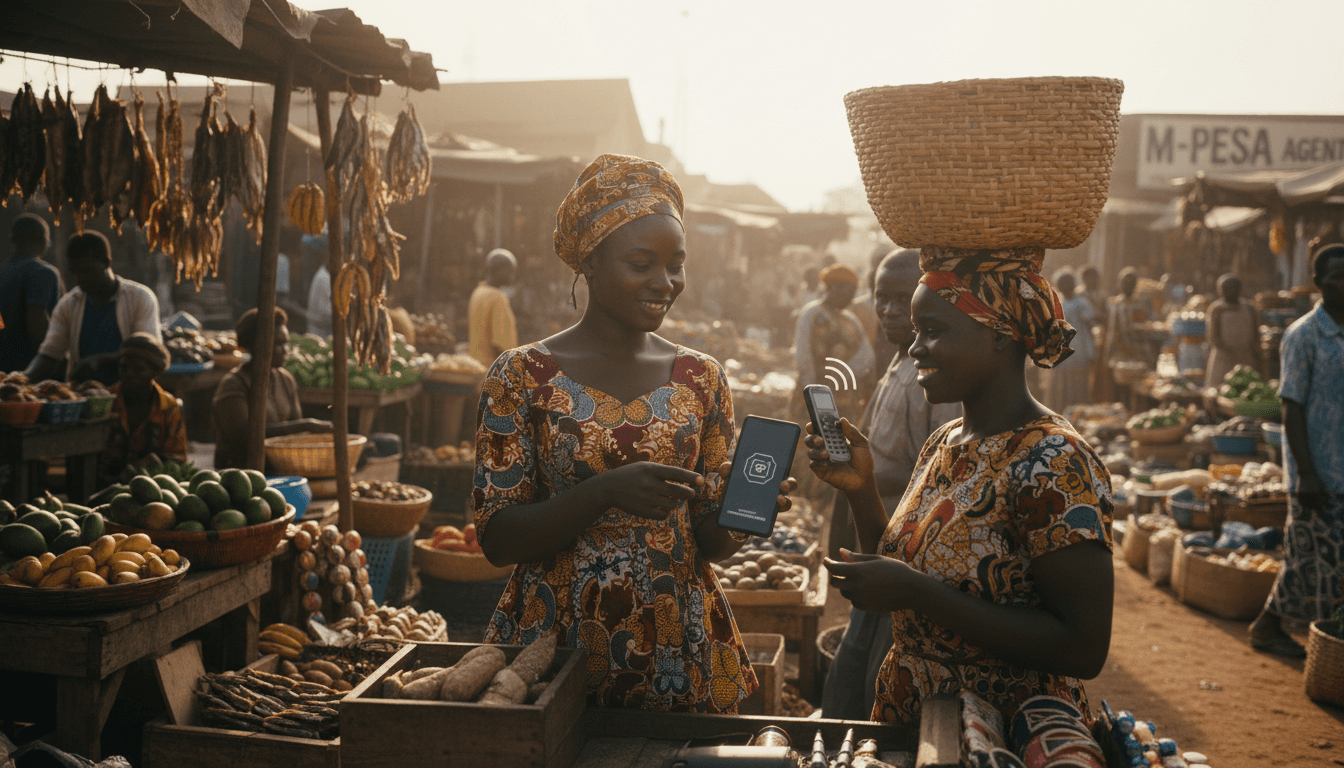
Most SMEs don’t fail at social commerce because they lack hustle. They fail because the tools are just out of reach.
A quality smartphone isn’t “nice to have” anymore—it’s the frontline device for selling on WhatsApp, posting products on Instagram, responding to DMs, taking Mobile Money payments, and running ads. Yet across West Africa, the upfront cost of a decent phone still blocks real digital adoption. That’s why the news out of Nigeria matters: Sun King has expanded its PayGo (pay-as-you-go) model beyond solar, now offering smartphones on flexible instalments.
For this series—“Sɛnea AI Rehyɛ Social Commerce ne SME Ahorow den Wɔ Ghana”—the point isn’t to admire Nigeria from afar. The point is to copy what works. When device access improves, AI-powered social commerce suddenly becomes practical for the market woman, the barber, the seamstress, the caterer, and the online vendor who’s trying to turn DMs into daily revenue.
PayGo smartphones fix the real bottleneck: upfront cost
Answer first: PayGo smartphones reduce the upfront cash barrier, letting more people own capable devices and participate in the digital economy.
Sun King’s Nigeria rollout follows a familiar logic: many households can handle small payments reliably, but they can’t drop a large lump sum on day one. So instead of “buy or go without,” PayGo turns smartphone ownership into a predictable instalment plan.
The model Sun King is using is straightforward:
- A customer makes an initial deposit
- The rest is paid over time in small, manageable instalments
- Distribution happens through community-based agents and retail points (important for trust)
Sun King is also leaning on what they already built for PayGo solar—an agent network and operational footprint across Nigeria. The lesson for Ghanaian SME ecosystems is clear: distribution and trust are as important as pricing.
Why this matters for social commerce (not just “connectivity”)
A smartphone is the main internet device for most people in West Africa. That means it’s also:
- The shop shelf (product photos, status updates, reels)
- The sales desk (DMs, calls, follow-ups)
- The cashier (Mobile Money, payment links)
- The customer service line (complaints, replacements, delivery updates)
When customers and sellers both have capable smartphones, you don’t just get “more internet.” You get more transactions.
Smartphone access is a growth strategy for Ghanaian SMEs
Answer first: Better device access expands the pool of sellers who can compete and the pool of buyers who can complete purchases through social channels.
Ghana’s social commerce scene runs heavily on WhatsApp Business, Facebook, TikTok, and Instagram. But here’s what I’ve noticed when working with small businesses: many owners are trying to do serious business with phones that can barely keep up—low storage, weak cameras, slow apps, battery issues.
That impacts sales in ways people don’t calculate:
- Poor photos reduce trust (customers assume the product is lower quality)
- Slow response times kill conversions (buyers move on quickly)
- App crashes and storage issues prevent consistent posting
- Weak devices make it hard to run analytics, ads, or catalogs
A PayGo model doesn’t just help someone “own a phone.” It helps them operate like a business.
A simple example: the WhatsApp seller math
If an SME closes just 2 extra sales per week because they can respond faster, post consistently, and accept payments smoothly, that’s 8 extra sales per month. For many microbusinesses, that’s enough to justify an instalment plan—especially in peak seasons.
And yes, December matters: holiday demand brings higher order volumes, more inquiries, and more last-minute buyers. SMEs without reliable devices get overwhelmed and lose money they were already “close” to earning.
PayGo models pair naturally with AI for social commerce
Answer first: Once SMEs have reliable smartphones, AI tools become usable daily—speeding up content creation, customer replies, and sales follow-up.
Many AI-for-business conversations skip the basics. AI doesn’t help if the device can’t run the apps, store media, or keep a stable connection long enough to work.
When smartphone access improves, Ghanaian SMEs can realistically use AI to handle the tasks that steal time and consistency:
1) AI-assisted content that actually gets posted
Most SMEs don’t struggle to “think.” They struggle to post consistently.
With a better smartphone, a business can:
- Draft product captions in seconds (Twi + English mixes, promo tone, FAQs)
- Turn customer questions into reusable post ideas
- Create weekly content plans that match inventory and seasons
Snippet-worthy truth: A content plan you can execute beats a perfect content plan you never post.
2) Faster replies that convert DMs into orders
Speed matters on WhatsApp.
AI-supported reply templates help with:
- Price + availability responses
- Delivery areas and fees
- Payment instructions (MoMo details, proof of payment steps)
- Returns and exchange policies
A stronger device also means WhatsApp Business features (labels, quick replies, catalogs) are easier to maintain—less freezing, fewer missed messages.
3) Better sales follow-up (the hidden revenue)
Most Ghanaian SMEs are sitting on “warm leads” they never follow up on.
AI can help draft follow-up messages that don’t sound desperate or robotic:
- “Your item is still available; should I reserve it?”
- “We’re delivering to your area tomorrow—want to add yours?”
But again: follow-up only works when the seller’s phone is reliable enough to keep track.
What Ghanaian SMEs should copy from Sun King’s approach
Answer first: The winning combo is affordability + trust + onboarding speed.
Sun King isn’t only selling instalments; they’re selling confidence: you can sign up quickly, get a phone the same day, and pay gradually.
Here are practical takeaways Ghanaian SMEs (and the partners who support them) can apply.
Build your “device readiness” checklist before you scale ads
Before spending on Meta or TikTok ads, SMEs should ensure:
- Battery health is strong enough for full-day selling
- Camera quality is good enough for clear product proof
- Storage can hold product photos/videos without constant deletion
- Apps run smoothly (WhatsApp Business, Instagram, MoMo apps)
If your phone can’t handle this, ads won’t save you. You’ll simply pay to bring more messages you can’t manage.
If you’re an SME support org: bundle access, not advice
Training is good. But in practice, SMEs need tools plus training.
A strong ecosystem offer looks like:
- Affordable smartphone financing (PayGo-style)
- A starter kit: WhatsApp Business setup, catalog templates, pricing sheet
- A light AI onboarding: how to write captions, FAQs, and replies using AI
This is exactly where Sɛnea AI thinking fits: not “AI as hype,” but AI as a practical assistant once the basics (device + workflow) are in place.
Use seasonal cashflows to design repayment plans
December and Easter often spike revenue for many SMEs. A sensible instalment structure can match that reality:
- Smaller weekly payments in slow months
- Slightly higher payments during peak selling periods
The goal is to avoid squeezing the business during low cashflow weeks.
PayGo + mobile money: the financial inclusion angle SMEs miss
Answer first: PayGo systems that integrate mobile money and identity tools create a track record that can unlock future credit.
Sun King’s approach mentions integrating mobile money and digital identity tools into the PayGo ecosystem. That’s not a side note. It’s a long-term advantage.
Why?
- Regular repayments create a behavioral signal: consistency
- Digital payment records create basic transaction history
- That history can be useful for future financing (inventory, equipment)
For Ghanaian SMEs, the bigger picture is this: your phone is becoming part of your financial profile. A structured repayment plan—if fair and transparent—can help micro-entrepreneurs move from informal cash-only cycles to trackable digital operations.
Quick Q&A (what people usually ask)
Are PayGo smartphones just “hire purchase” with a new name?
In practice, yes—it’s instalment ownership. The difference is operational: PayGo providers often build strong distribution, repayments via mobile money, and customer support into the model.
What should SMEs watch out for in PayGo offers?
Three things:
- Total cost (device price + fees over the full term)
- Default rules (what happens if you miss payments)
- Device quality (don’t finance a phone that can’t run your business tools)
Will a better phone automatically increase sales?
No. It removes friction. Sales still require good products, clear pricing, fast replies, and reliable delivery. But removing friction is huge—especially in social commerce where buyers decide quickly.
Where this goes next for Ghana’s social commerce + AI
Affordable smartphone ownership is not a feel-good story. It’s infrastructure for small businesses.
Sun King’s Nigeria move is a clear signal: West Africa’s digital economy is being built one instalment at a time. Ghanaian SMEs that treat smartphones as business equipment—not personal accessories—will adopt AI faster, serve customers better, and convert more conversations into cash.
If you’re building on social media right now, the next step is simple: audit your device, your workflow, and your response speed. Then decide what needs upgrading—skills, systems, or the phone itself.
What would happen to your sales next month if you could respond to every serious customer in under 5 minutes—and keep that standard even in peak season?