ECG privatisation is progressing. Learn how Ghana SMEs can use AI to monitor, forecast, and reduce electricity costs ahead of distribution reforms.
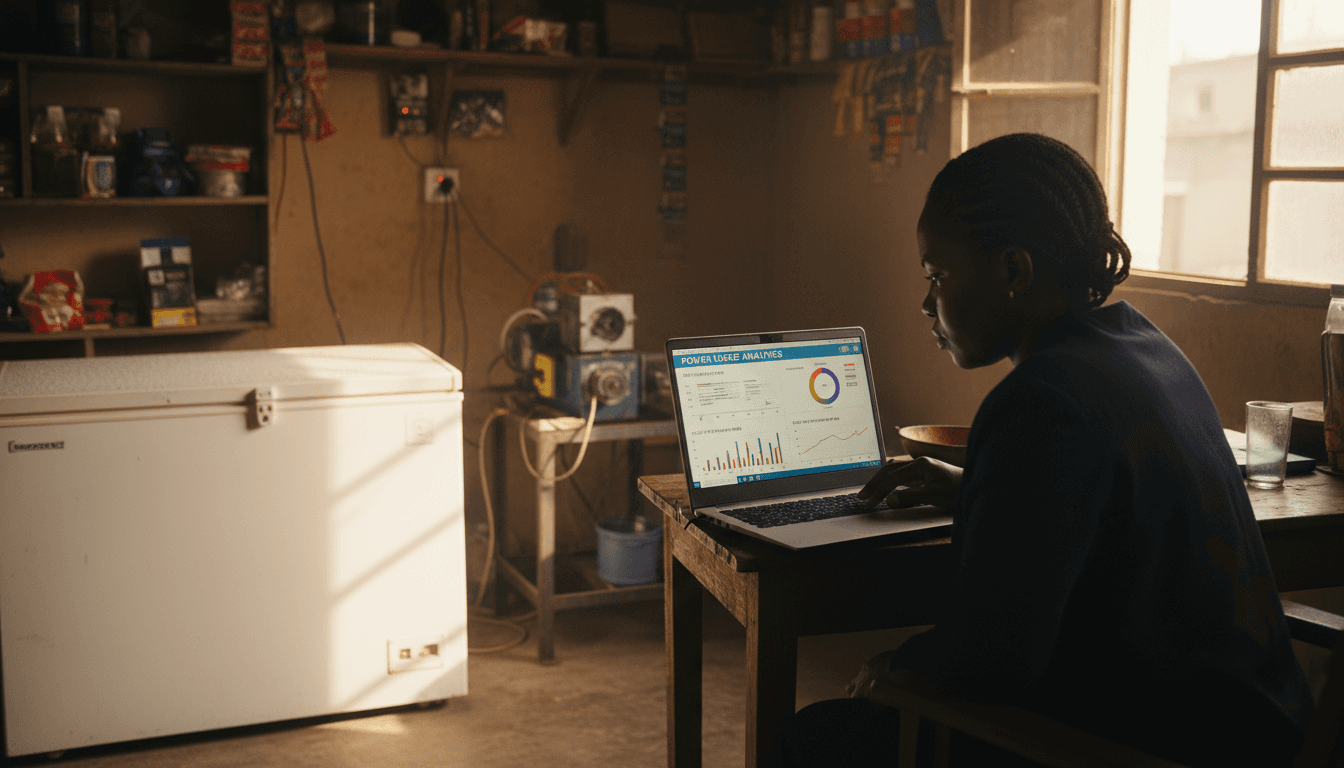
ECG Privatisation: How Ghana SMEs Can Cut Bills with AI
Ghana’s electricity distribution space is heading for a major shake-up. In an IMF Staff Report on Ghana, the institution said a transaction advisor is expected to be hired by end-2025 to oversee selecting private sector concessionaires for electricity distribution—a clear signal that ECG privatisation (or, at minimum, private concessions in distribution) is moving from talk to process.
For most large companies, energy reform is a boardroom discussion. For SMEs, it’s simpler and more urgent: your power bill is one of your biggest controllable costs, and any change in how electricity is distributed can show up in your pricing, reliability, customer experience, and cash flow.
This post sits inside our series, “Sɛnea AI Reboa Adwumakuo Ketewa (SMEs) Wɔ Ghana”—practical ways AI helps small businesses run smarter without a big team. The stance here is straightforward: don’t wait for the reform to “settle.” Use AI now to measure, predict, and control your electricity costs so you’re not negotiating with your margins later.
What ECG privatisation could mean for SMEs (the practical version)
Answer first: ECG privatisation is likely to increase performance pressure in distribution, change how service is managed, and tighten the link between consumption patterns and what you pay.
The IMF’s note about hiring a transaction advisor and selecting concessionaires tells us something important: this isn’t just policy debate—it’s execution planning. When private concessionaires enter distribution, incentives change. Private operators usually face clearer targets around loss reduction, collections, outages, metering, and customer service. That can be good for reliability over time, but the transition period can be bumpy.
Here’s what typically changes in real life for an SME:
- Billing and collections get stricter. If your business sometimes pays late, expect less tolerance.
- Metering becomes a bigger deal. Faulty meters, estimated billing, and “we’ll check later” issues tend to attract more scrutiny.
- Downtime costs become more visible. When performance is measured, outages and voltage instability become metrics—meaning the operator will try to manage them, but also may enforce operational rules that affect you.
- Tariff adjustments and structures may become more actively managed. Even if regulated, the pressure to improve revenue can increase attention on who pays what, when, and how accurately.
The central point: SMEs that can show clean data—usage, peak times, and operational needs—will be in a stronger position than SMEs arguing from gut feel.
Why energy reform hits SMEs harder than big firms
Answer first: SMEs feel electricity changes faster because they have thinner margins, less backup capacity, and fewer people to manage utilities proactively.
A manufacturing plant can justify a full-time energy manager. A 6-person printing shop in Madina can’t. Yet both are exposed to the same problems: unstable supply, rising operating costs, and equipment wear from voltage swings.
The hidden “energy tax” most SMEs don’t calculate
Many SMEs only track the monthly bill. The real cost is wider:
- Spoilage and rework (cold storage, bakeries, labs)
- Idle labour during outages (you still pay staff)
- Generator fuel and maintenance
- Equipment damage (especially refrigeration, motors, compressors)
- Lost sales (POS down, lights off, poor customer experience)
If you can’t quantify these, you can’t manage them—and you can’t make a strong case when negotiating with landlords, planning solar, or deciding whether to shift production hours.
This is where AI earns its keep: it turns “we think power is expensive” into a clear picture of when and why your costs spike, and what to do about it.
Where AI helps immediately: visibility, prediction, and control
Answer first: AI helps SMEs reduce electricity costs by (1) tracking usage accurately, (2) forecasting peaks and bills, and (3) recommending operational changes that don’t hurt sales.
You don’t need a fancy industrial setup to start. Many SMEs can begin with a mix of:
- Smart plugs or sub-meters on key equipment (freezers, compressors, printers)
- A simple log of generator run-time and fuel purchases
- Utility bill history (even photos of bills)
- Basic production/service data (orders per day, operating hours)
AI tools can then do three high-value jobs.
1) Detect waste you’ve normalised
Most businesses get this wrong: they assume “the bill is the bill.” AI can flag patterns humans miss, such as:
- A freezer drawing more power every week (early sign of failing seals)
- AC units running at full load during low foot-traffic hours
- Machines left on overnight because “someone might need it”
A simple anomaly detection model (or even AI-assisted analysis in a spreadsheet workflow) can tell you: “Tuesday nights are consistently 18% higher than other days. Something is staying on.”
2) Forecast your bill before it arrives
Cash flow is oxygen for SMEs. If ECG’s distribution setup changes and billing becomes tighter, surprises get more painful.
With 3–6 months of bill data and your operating calendar, AI can forecast:
- Expected kWh usage next month
- Likely high-consumption days (seasonality matters—December demand patterns differ)
- Generator spend if outages increase
Even a “good enough” forecast helps you price properly. If you’re quoting jobs (printing, welding, cold-chain deliveries), you can build energy cost into quotes instead of absorbing it.
3) Recommend schedule shifts that protect revenue
AI isn’t only about saving power; it’s about saving power without losing income.
Examples that work in Ghanaian SME contexts:
- Cold store: shift defrost cycles and heavy cooling tasks to off-peak operational windows (when the store is closed) while maintaining temperature compliance
- Hair salon/barber shop: stagger high-wattage tools and water heating; avoid running everything at once during the busiest hour
- Small factory: batch energy-heavy processes together to reduce repeated start-up loads and generator switching
The point is control. If the new distribution environment becomes more performance-driven, your business should become more data-driven.
A realistic SME playbook for 2026: prepare for concession-era distribution
Answer first: SMEs should treat 2026 as a transition year: build energy baselines now, automate monitoring, and plan for reliability upgrades with clear ROI.
The IMF timeline mentions end-2025 for hiring a transaction advisor—so 2026 is when SMEs may start feeling the operational implications more directly.
Step 1: Create an “energy baseline” in 14 days
This isn’t complicated. Collect:
- Photos/PDFs of the last 6 electricity bills (if available)
- Weekly operating hours
- Generator: fuel spend and run hours
- A list of top 10 electricity-consuming equipment (even estimates)
Then produce two numbers:
- Energy cost as % of revenue (a brutal but useful metric)
- Cost per unit output (per item baked, per print job, per chilled crate, per service)
AI can help clean and categorize the data (especially if your records are messy), and produce summaries you can actually use.
Step 2: Install low-cost monitoring on the “big three” loads
Most SMEs have a “big three”: cooling, heating, motors/compressors.
Monitor just these first. You’re looking for:
- Operating hours
- Peak times
- Unexpected overnight consumption
Even without perfect sensors, AI can combine staff logs + bills + operating calendar to highlight where to focus.
Step 3: Build an outage-ready operations plan (not just a generator)
A generator is a tool, not a plan.
An outage-ready plan includes:
- Which services/products continue during outages
- Which equipment gets priority power
- What gets shut down immediately to protect appliances
- A customer communication script (simple, consistent)
AI can help you draft these SOPs quickly and tailor them to your business type—exactly the kind of “small team, big output” support this series is about.
Step 4: Run ROI on solar, inverters, and power conditioning using your data
Energy reforms often trigger more businesses to consider solar or hybrid solutions. But the smartest move is not “buy solar.” The smartest move is: buy the right system size based on your real load profile.
AI-supported sizing using your baseline can prevent two common SME mistakes:
- Oversizing (you pay for capacity you don’t use)
- Undersizing (you still rely heavily on the generator)
If you do nothing else, do this: use your data to avoid expensive guessing.
People also ask: “Will privatisation make electricity cheaper?”
Answer first: Don’t plan on electricity becoming cheaper quickly; plan on billing becoming stricter and performance expectations rising.
Tariffs are usually regulated and influenced by fuel costs, exchange rates, generation mix, and sector debt—not just who manages distribution. Private participation can improve collections and reduce losses, which can help the system over time. But SMEs shouldn’t build budgets on hope.
A stronger strategy is within your control: reduce waste, forecast costs, and protect productivity. That’s what AI is for.
How to start with AI if you’re a small business (no tech team)
Answer first: Start with one business question, one dataset, and one weekly routine.
Here are three practical “starter projects” that fit Ghanaian SMEs:
- Weekly energy dashboard (30 minutes/week): bills + generator spend + notes on outages
- Top-5 equipment audit: identify which machines drive most of the bill, and set operating rules
- Forecasting for pricing: predict next month’s energy cost and bake it into quotes or service packages
If you’ve been following our Sɛnea AI Reboa Adwumakuo Ketewa (SMEs) Wɔ Ghana series, this should feel familiar: use AI to remove admin burden, tighten decisions, and keep the owner focused on sales and delivery.
A simple rule works: If you can’t see your energy pattern, you can’t negotiate with it.
What to do this week (before the reforms land)
ECG privatisation discussions can feel distant, but the timeline is not far. End-2025 is essentially “now” in business planning terms.
This week, do three things:
- Gather your last 6 bills and generator records into one folder
- List your top 10 electricity loads and when they run
- Set one cost-control policy (example: “No cooling equipment doors left open,” or “AC off 30 minutes before closing while fans stay on”)
Then use AI—whether through a simple analytics workflow or an advisor—to turn that into a baseline and a forecast.
Energy distribution reform is coming. SMEs that treat power like a measurable input (not a mystery bill) will be the ones still profitable when competition tightens.
What part of your operation would you most like to run on predictable power costs—production, cold storage, or customer service?