AI a wɔayɛ wɔ Africa kyerɛ kwan ma Ghana fintech: local kasa data, ethics, ne partnerships na ɛbɔ mobile money ho ban na ɛma service yɛ ntɛm.
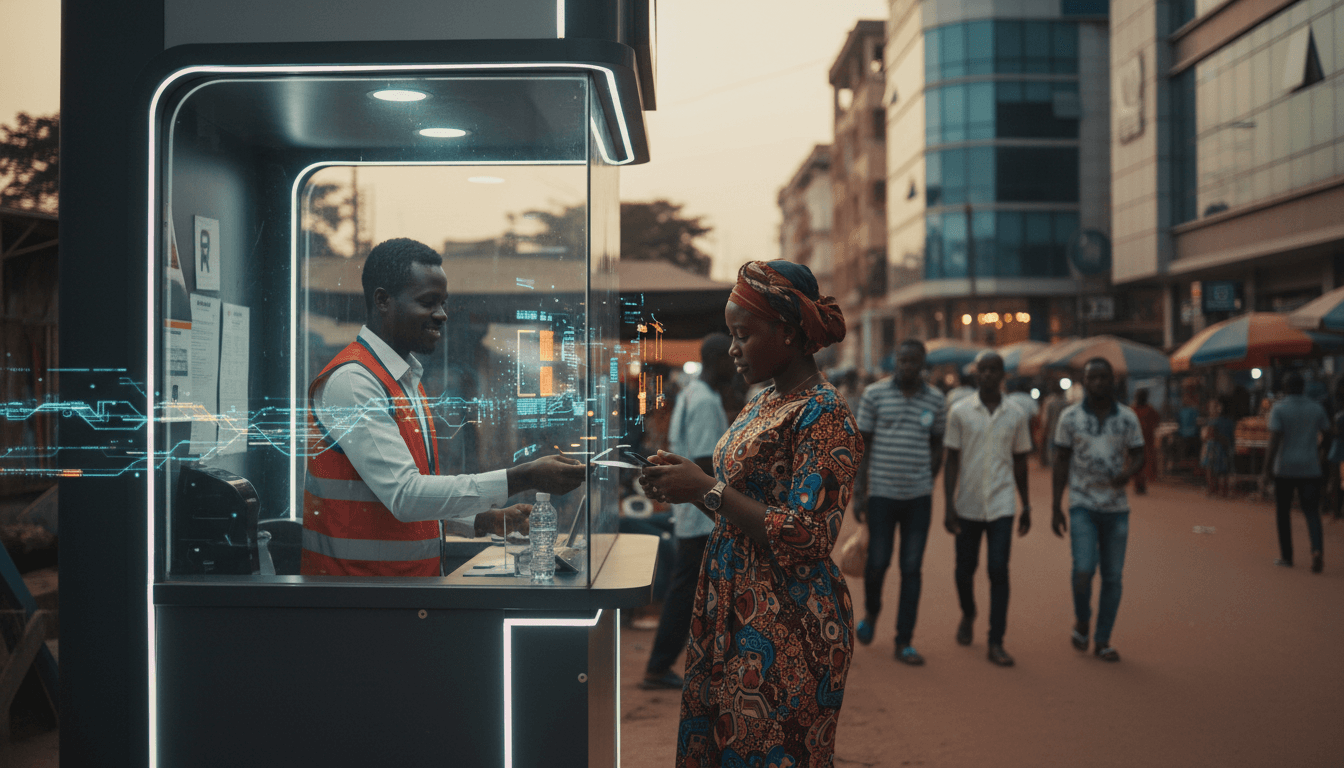
AI a Wɔayɛ Wɔ Africa: Nea Ghana Fintech Hia
Mobile money wɔ Ghana no, yɛde di dwuma da biara—sika kɔ/kɔba, bills, susu, small trading, ne online payments. Na afei na AI (akomam adwumadie) rekɔso rehyɛ fintech mu den. Nanso, most companies get this wrong: wɔfa AI a wɔayɛ wɔ baabi a ɛnyɛ ha, na wɔyɛ “copy-paste” de hyɛ yɛn mobile money ne akɔntabuo mu.
Ɛno na ɛma problems a yɛnim yie no kɔ so: fraud messages a ɛte sɛ onipa kasa, “wrong send” scams, KYC a ɛyɛ den ma wɔn a wɔn nni formal address, ne customer support a ɛma obi de hours twɛn. Sɛ AI bɛboa Ghana yie a, ɛsɛ sɛ ɛyɛ AI built for us, by us—AI a ɛte Ghana kasa, Ghana sika asɔre, ne Ghanaian consumer behavior ase.
2025 mu no, African universities bi kyerɛɛ sɛ continent no renkɔ so nte sɛ “AI consumers” nkutoo. Wɔresi system, wɔretete talent, na wɔrehyehyɛ ethics. Nea ɛyɛ dɛ? Lessons no yɛ direct ma Ghana fintech—especially mobile money, digital banking, ne data-driven credit.
Nea African universities akyerɛ: “build pipeline” na ɛnyɛ demo
Asɛm no mu core point: Sɛ wopɛ AI a ɛyɛ den wɔ fintech mu a, ɛsɛ sɛ wunya pipeline—research, data, ethics, ne talent—na ɛnyɛ app a ɛyɛ nice nnɛ na ɛbubu ɔkyena.
Ná startups ne banks taa pɛ quick wins: chatbot bi, fraud model bi, “score” bi. Nanso universities a wɔredi anim no kyerɛ sɛ AI kɔ so yie bere a:
- Wɔma research ne industry yɛ adwuma bom (co-design)
- Wɔyɛ data a ɛfata local context (kasa, norms, transactions)
- Wɔde ethics ne safety hyɛ mu fi ase (not as afterthought)
- Wɔtete Master’s/PhD level people a wɔbɛkura system no so mfe 5–10
Saa approach yi na Ghana fintech ecosystem hia. Sɛ ɔman no pɛ sɛ e-commerce payments, digital savings, ne micro-credit yɛ safe na affordable a, AI must be engineered around Ghana’s reality.
Nea UCT ne CAIR kyerɛ Ghana: National hub + distributed collaboration
Answer first: Ghana hia AI “hub model” a ɛbɛma universities, regulators, banks, ne telcos adwuma bom—na wɔn nyinaa nnya wɔn ho nko.
University of Cape Town (UCT) de CAIR (Centre for Artificial Intelligence Research) di dwuma sɛ coordinating hub ma national AI strategy. Ne trick no nyɛ sɛ UCT yɛ only strong; mmom, wɔkyekyɛ research across universities na wɔkura leadership ne standards mu.
Deɛn na eyi kyerɛ ma Ghana fintech?
Sɛ wopɛ sɛ AI bɔ fraud ho ban wɔ MoMo mu a, wopɛ:
- Common standards: data governance, model testing, bias checks
- Shared talent pool: interns, researchers, applied scientists
- Joint projects: bank + telco + university lab
Ghana betumi ayɛ saa ara: “Fintech AI Working Hub” a ɛbɛfa university labs, Bank of Ghana-type compliance thinking, telco payment rails, ne startups’ speed abom. Me experience? Bere a adwuma bi nni central “home” a, everybody builds duplicates, and nobody owns the risk.
“Resilient AI” yɛ Ghana’s daily requirement
UCT AIRU kasa fa resilient AI ho—AI a ɛtumi yɛ adwuma wɔ data scarcity ne power/network issues mu. Ghana fintech needs that exact mindset:
- Offline-first verification workflows (when network drops)
- Lightweight models for low-latency decisions (not everything must call a heavy cloud model)
- Human-in-the-loop reviews for high-risk transactions
AI a ɛkɔ “perfect internet” so nko no bɛyɛ cute pilot—na ɛbɛyɛ expensive failure wɔ real operations mu.
University of Pretoria lesson: kasa ne data scarcity na ɛda hɔ kɛse
Answer first: Ghana fintech AI bɛyɛ fair na accurate bere a ɛte local kasa ne local context ase, na ɛnnyina English-only datasets so.
University of Pretoria (AfriDSAI) bɔ mmɔden sɛ wɔbɛsesa underrepresentation of Africa in global datasets—especially language and vision. Wɔyɛ “Abstracts into Indigenous Voices” to push indigenous languages into digital spaces.
Ghana fintech: Twi, Ga, Ewe, Dagbani—ɛnyɛ “nice-to-have”
Sɛ fraudsters re-tweak messages wɔ Twi mu a, English-only detection bɛfa so. Sɛ customer support bot no nte “M’ani agye, nanso sika no ankɔ” ase a, it will frustrate users.
Practical steps Ghana fintech teams can take:
- Collect consented language data from customer support chats/calls, then anonymize
- Build intent datasets for common MoMo issues: wrong send, reversal, charge disputes, SIM swap, agent cash-out complaints
- Evaluate models by language: accuracy in English vs Twi vs mixed-language (code-switching)
Snippet-worthy truth: AI a ɛnte code-switching ase no, ɛnte Ghana internet ase.
Bias shows up as “false fraud”
When datasets don’t represent local behavior, models flag normal Ghana patterns as suspicious. Examples:
- One person receiving many small transfers (market trader) gets flagged
- High-frequency cash-outs at agent points look like laundering
- Seasonal spikes (December travel, church giving, family remittances) misread as risk
December matters here. End-of-year transactions rise: gifts, funerals, weddings, travel, school fees prep. Your fraud model must understand seasonality, not panic.
UNILAG + OpenAI Academy: partnerships should train builders, not users
Answer first: Ghana needs partnerships that produce local builders—engineers, data scientists, product owners—not just vendor tools.
University of Lagos hosted Africa’s first OpenAI Academy in 2025. The big idea is equitable co-design: Africa shouldn’t just “consume” models; we should shape how they work for our context.
What Ghana fintech can copy (without hype)
If you’re running a fintech product in Ghana, the partnership playbook is clear:
- University partnership for talent: capstone projects on fraud, credit scoring, customer support automation
- Regulator collaboration early: align model risk, audit trails, and consumer protection
- Industry data consortium: pooled, privacy-preserving datasets for fraud patterns (even if features are aggregated)
And yes—this is how you reduce costs. Not by buying the “most advanced AI,” but by reducing repeated mistakes, hiring bottlenecks, and compliance surprises.
Ain Shams + Stellenbosch: ethics isn’t paperwork; it’s product quality
Answer first: Ethical AI in fintech is not morality theatre. It’s what stops regulatory issues, PR crises, and customer harm.
Ain Shams University blended practical AI programs with public-private cooperation (including a smart assistant experiment). Stellenbosch invests heavily in AI ethics and public square conversations.
Ghana fintech ethics: 4 rules that actually matter
When AI touches money, ethics becomes operational.
-
Explainability for decisions that hurt
- If AI declines a loan or freezes an account, you need a reason a human can understand.
-
Appeals process
- Users need a clear path to challenge AI outcomes (and a real turnaround time).
-
Privacy by design
- Collect only what you need; encrypt; log access; delete on schedule.
-
Bias testing with Ghana segments
- Test outcomes by region, language, income proxy, device type, and network quality.
Here’s what works in practice: treat ethics like QA. If you wouldn’t ship a payment feature without testing, don’t ship AI without bias and safety testing.
AIMS-AMMI: talent pipeline for “boring” fintech problems that pay
Answer first: Ghana’s biggest fintech wins will come from solving unglamorous problems: reconciliation, fraud ops, chargebacks, customer support, and credit risk.
AIMS runs AMMI, a fully funded intensive Master’s in Machine Intelligence. Programs like that feed the market with people who can build models and reason about them.
Where AI helps Ghana fintech immediately (and measurably)
If you want a practical roadmap, start with use-cases where ROI is straightforward:
- Fraud detection & scam blocking
- Detect SIM swap patterns, mule accounts, agent collusion signals
- Smart customer support
- Classify tickets, suggest responses, route high-risk cases to humans
- Credit scoring for thin-file users
- Use transaction behavior carefully (with consent) to build fair scores
- Collections and repayment nudges
- Predict risk early; use respectful, compliant messaging
- Back-office automation
- Auto-match transactions, reconcile failures, flag anomalies
A simple but powerful metric set to track:
- Fraud loss rate (monthly)
- False positive rate (accounts wrongly flagged)
- Average resolution time (tickets)
- Cost per ticket
- Loan default rate by cohort
If your AI project can’t commit to 2–3 metrics like these, it’s probably a demo.
People also ask: “Sɛ Ghana yɛ local AI a, ɛrenyɛ expensive dodo?”
Answer first: Local AI isn’t automatically expensive. The expensive path is buying generic AI and paying for errors forever.
You can keep costs sane by:
- Using smaller models for classification tasks (fraud triage, intent detection)
- Fine-tuning with Ghana-specific data instead of training from scratch
- Building privacy-preserving data pipelines once, then reusing them
- Keeping humans in the loop for edge cases instead of forcing full automation
Most companies overspend on model size and underspend on data quality and evaluation. Flip that.
Nea “AI built for Africa” kyerɛ ma Sɛnea’s mission
Answer first: Sɛ AI bɛhyɛ Ghana akɔntabuo ne mobile money den a, ɛsɛ sɛ ɛyɛ localised, ethical, na ɛtumi boa user wɔ real life—ɛnyɛ slide deck mu.
This post sits inside the “Sɛnea AI Reboa Adwumadie ne Dwumadie Wɔ Ghana” series for a reason. The broader theme is speed + lower cost + better operations. Universities across Africa are proving the foundation: build talent pipelines, build datasets that represent us, and treat ethics as product quality.
Sɛ woyɛ fintech leader, product manager, or operations head a, your next step is straightforward:
- Pick one high-impact problem (fraud, support, or credit)
- Partner with a local research team (or build an internal applied AI squad)
- Demand Ghana-language performance metrics
- Ship with audit trails, appeals, and bias tests
Ghana’s financial future won’t be powered by AI we don’t understand. It will be powered by AI that understands us. Which part of your mobile money journey today feels most broken—and what would it take to let local AI fix it?