Turn Ring’s Fire Watch idea into a practical social media plan. Build community trust, boost engagement, and generate leads with safety-first content.
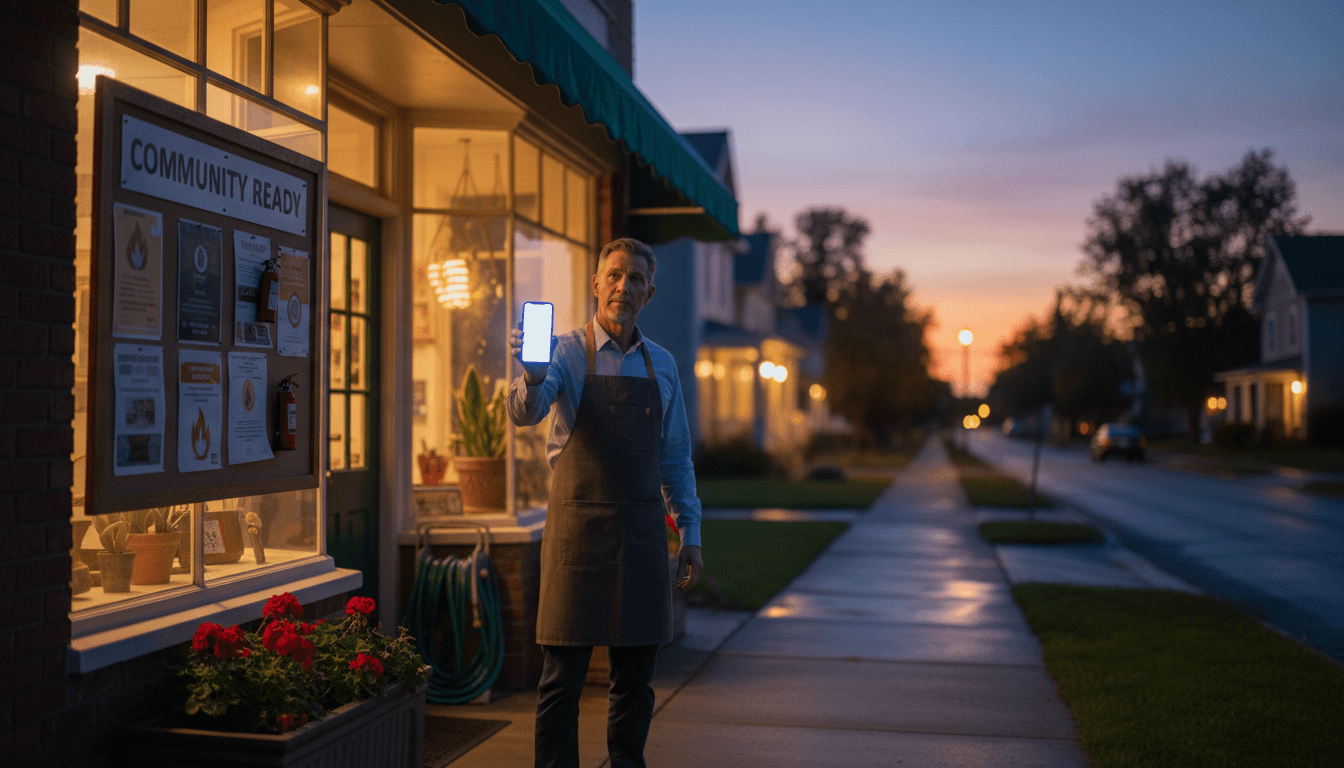
Fire Watch Alerts: A Social Media Trust Builder
Most small businesses talk about “community” on social media. Fewer invest in something the community can feel.
That’s why Ring’s newly announced Fire Watch feature is worth paying attention to—even if you don’t sell cameras, alarms, or smart home tech. A recognizable brand is packaging public safety into an easy, neighbor-friendly alert experience. The lesson for small businesses is straightforward: safety builds trust faster than slogans, and social media is where that trust gets amplified.
It’s February 2026, and many U.S. communities are still dealing with seasonal fire risks—space heaters, overloaded outlets, dry winter vegetation in some regions, and the ongoing strain on local resources. When safety is top-of-mind, the businesses that show up with practical help (not performative posts) win attention, goodwill, and referrals.
What Ring’s Fire Watch feature signals (and why SMBs should care)
Answer first: Ring’s Fire Watch feature signals a bigger trend—consumer safety tools are becoming community networks, and small businesses can plug into that same trust loop through their own safety-first messaging and local partnerships.
The original article (blocked behind a security check in the RSS scrape) points to Ring launching Fire Watch to enhance community fire safety. Even without the full text, the direction is clear: Ring is expanding beyond “security” into prevention and awareness, using its ecosystem reach to make alerts feel local and actionable.
Here’s what that means for a small business owner who’s focused on leads:
- Safety is content people share. Promotions get scrolled past; prevention tips get saved and forwarded.
- Community-first tech wins hearts. When a brand is associated with “keeping my family/business safer,” people listen.
- Local relevance beats generic virality. A neighborhood-level safety alert is inherently more engaging than a national trend.
If you’re running a restaurant, gym, daycare, auto shop, salon, or local service business, this is a playbook you can borrow—without copying Ring.
Community safety is a marketing strategy (when it’s real)
Answer first: Community safety works as a marketing strategy because it creates credible goodwill—the kind that turns into leads, reviews, and repeat visits.
A lot of “community engagement” on social media is cosmetic: a holiday post here, a donation photo-op there. Safety is different. It’s practical, timely, and measurable.
Why safety content converts better than promotional content
People don’t wake up excited for another “10% off” post. But they do pay attention to things that:
- Reduce risk (fire, theft, scams, weather emergencies)
- Protect their kids, pets, employees, or customers
- Give them a clear next step in under 30 seconds
Safety content also earns distribution.
Promotions are rented attention. Safety is earned attention.
Examples: what “Fire Watch” can inspire in your business
You don’t need a device network to participate in a safety narrative. You need consistency and usefulness.
- Coffee shop: “Space heater safety checklist” for remote workers who plug in all day.
- Daycare / kids programs: “3-minute fire drill practice at home” guide for parents.
- Property management / cleaning service: “Dryer vent lint warning signs” carousel post.
- Auto repair: “Cold-weather battery + wiring inspection reminders” tied to winter fire prevention.
- Restaurant: “Kitchen grease fire do’s and don’ts” short-form video with a local fire department quote.
The marketing goal isn’t fear. It’s competence.
How to turn safety into a social media series (that generates leads)
Answer first: The simplest way to get leads from safety content is to run a recurring social media series with a clear call-to-action and a local proof point.
This post is part of the Small Business Social Media USA series, so let’s get tactical.
A 4-post “Local Safety Week” you can run anytime
Run this as a themed week once per quarter. It’s seasonal, it’s local, and it’s easy to plan.
-
Post 1: The risk (local + specific)
- Example: “Winter outlet overload is one of the most common causes of electrical issues.”
- Add a local tie-in: “We see it a lot in older buildings around town.”
-
Post 2: The checklist (saveable)
- Carousel or single graphic: “5 quick checks to lower fire risk this week.”
-
Post 3: The ‘what to do if’ guide (calm + direct)
- Short video: “If you smell burning plastic: do these 3 things first.”
- Post 4: The community partner (trust transfer)
- Shout-out a local fire department, building inspector, electrician, or safety educator.
- If you can’t collaborate, cite public best practices without pretending it’s your expertise.
The lead-gen CTA that doesn’t feel gross
Safety content performs best when the CTA matches the intent.
Try CTAs like:
- “Want our printable checklist? DM us ‘SAFE’ and we’ll send it.”
- “We’ll do a 10-minute walk-through of common hazards during your next appointment—just ask.”
- “If you’re a local business owner, we’ll share our vendor list for licensed electricians/inspectors.”
These CTAs create conversations, and conversations are where leads come from—especially on Facebook, Instagram, and Nextdoor.
Using big-ecosystem tools (Amazon/Ring) without feeling ‘too corporate’
Answer first: Small businesses can benefit from big ecosystems by adopting the parts that improve customer experience—then translating them into a local, human brand voice.
Ring sits inside the broader Amazon ecosystem. Whether you love that or not, the distribution advantage is real: product awareness, integrations, and habitual usage.
SMBs can apply the same principle without giving up their identity.
Practical ways SMBs can align with safety tech trends
- Offer “tech-friendly” services: If you’re a contractor, electrician, or property pro, add an optional “smart safety device check” line item.
- Create a local resource hub: One pinned post: “Local emergency numbers, fire safety tips, and building resources.”
- Use alerts as content prompts: When local agencies issue warnings (red flag days, power shutoffs, winter storm advisories), post a quick “what this means for you” summary.
What not to do
- Don’t claim you’re “partnered” with Ring/Amazon unless you actually are.
- Don’t post breaking safety info you can’t verify.
- Don’t use tragedies as engagement bait.
A simple rule I follow: If you wouldn’t say it to a customer standing at your counter, don’t post it.
People also ask: Fire Watch, neighborhood alerts, and privacy
Answer first: Neighborhood safety alerts raise privacy questions, so the smartest businesses focus on education and preparedness, not surveillance.
Even if Fire Watch is about fire awareness, anything adjacent to “community alerts” can trigger concerns. If you post about Ring or similar tools, be ready for these questions.
“Is it okay for my business to talk about Ring on social media?”
Yes—if you keep it practical. Make the post about fire prevention and preparedness, not about watching neighbors.
“How do I avoid sounding alarmist?”
Use calm language and specific actions:
- Replace “Your home could burn down!” with “Here are 3 checks that reduce risk in under 5 minutes.”
- Replace “Danger is everywhere” with “Most issues we see are preventable.”
“Can safety posts really help my local SEO and engagement?”
They can help engagement directly (saves, shares, DMs), and that tends to lift visibility over time. Safety posts also naturally include local phrases (“in [city]”, “older buildings”, “local fire department”), which supports local social media marketing and can reinforce your broader local presence.
A simple safety-content playbook you can use this month
Answer first: Pick one safety theme, publish three useful posts, and measure saves/shares—not just likes.
Here’s a realistic plan for February:
- Week 1: Post a “Winter Fire Safety” checklist (carousel)
- Week 2: Post a 30-second video tip from your team (talking-head works)
- Week 3: Post a local resource graphic (emergency numbers + how to prepare)
- Week 4: Post a behind-the-scenes “what we do to keep customers safe” (procedures, training, inspections)
Track:
- Saves (Instagram) / Shares (Facebook)
- Comments that indicate intent (“Can you check this for us?”)
- DMs and calls within 48 hours
If you want one metric that correlates with leads, it’s this: DM volume after a helpful post.
Where Fire Watch fits in the bigger small business social media story
Ring’s Fire Watch feature is a reminder that the strongest social media strategies aren’t built on trends—they’re built on usefulness. When your content helps people protect their families, employees, and property, you stop being “another account to follow” and start being a business the community roots for.
If you’re planning your next month of content for your U.S. small business, treat safety like a pillar alongside promotions and testimonials. You’ll earn trust in a way ads can’t buy.
What would happen if your next five posts made your neighborhood safer—not just your sales higher?