Sodium-ion storage just landed a 4.75GWh US deal. Here’s why that matters for safer, domestic, and scalable green technology in the late 2020s.
Most grid operators will tell you the same thing: lithium-ion is doing the job today, but nobody thinks it’s the long-term answer on its own.
That’s why Peak Energy’s new deal with Jupiter Power — up to 4.75GWh of sodium-ion battery energy storage in the US — matters a lot more than just another project announcement. It’s a clear signal that non-lithium, grid-scale storage is moving from pilot to pipeline, right as clean energy demand, domestic manufacturing, and safety scrutiny are all peaking.
This post looks at what Peak Energy is actually building, why sodium-ion BESS is getting serious attention, and how this fits into the broader green technology shift toward safer, domestic, and more sustainable energy storage.
Sodium-Ion BESS: What Peak Energy Is Actually Delivering
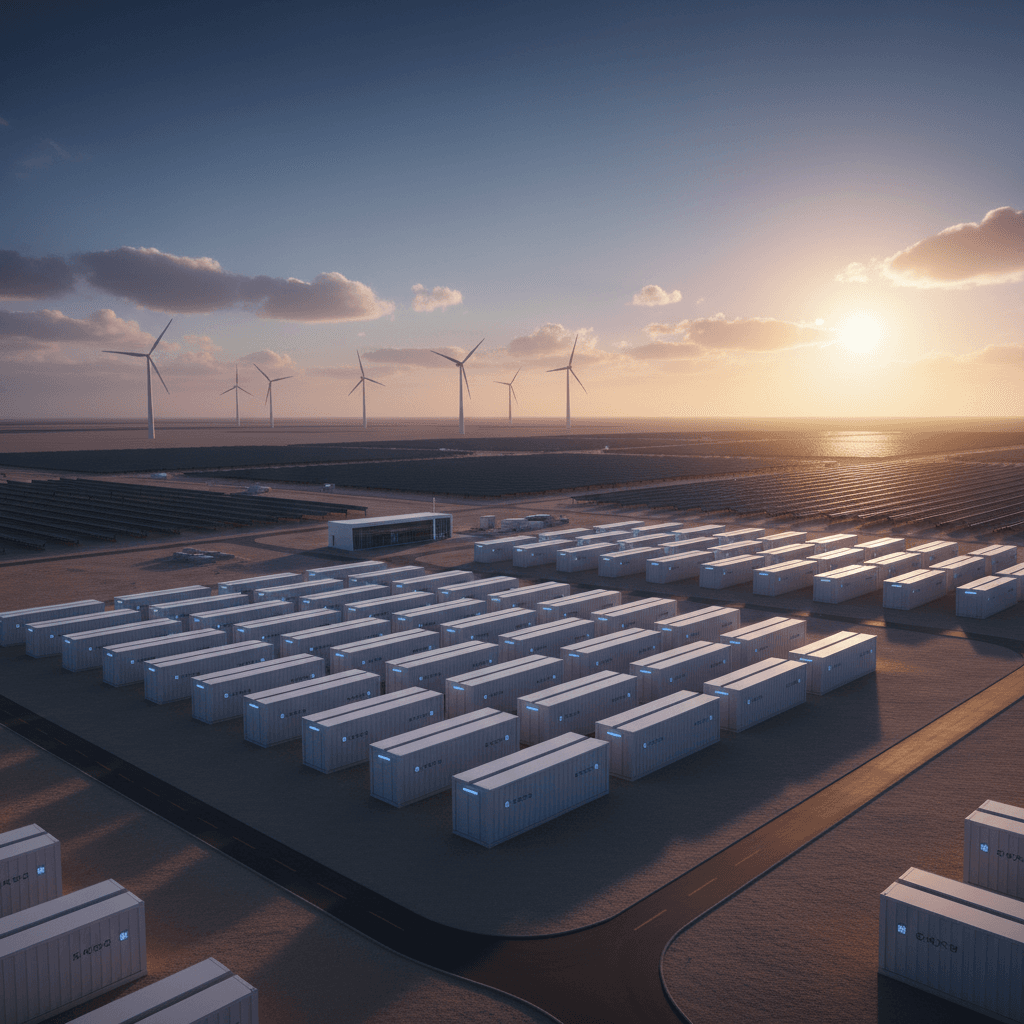
Peak Energy has signed a multi-year agreement with US developer Jupiter Power to supply up to 4.75GWh of sodium-ion battery energy storage systems (BESS) for deployment between 2027 and 2030.
- 720MWh is a firm order for 2027
- 4GWh is under capacity reservation
- Total contract value could exceed US$500 million
That scale puts sodium-ion firmly in utility territory, not just R&D.
The chemistry: NFPP, not just “sodium instead of lithium”
Peak is using a sodium-ion phosphate pyrophosphate (NFPP) chemistry. You don’t need to be a chemist to grasp why that’s a big deal:
- No lithium, cobalt, or nickel in the cells
- Sodium is far more abundant and widely distributed than lithium
- The chemistry is engineered for stationary storage, not adapted from EV cells
For grid operators and developers, that translates into three practical benefits:
- Lower material risk – less exposure to lithium and cobalt price spikes or geopolitical bottlenecks.
- Easier onshoring – sodium and other NFPP materials can be sourced and produced domestically more easily than many lithium chemistries.
- Better fit for multi-MWh systems – energy density matters less than safety, lifetime, and cost per kWh.
A different system design: fewer moving parts, less augmentation
Peak’s BESS is designed without moving parts and includes active cooling and ventilation. The company’s claim is straightforward: simplify the system, and you reduce common failure points.
Lithium-ion BESS already needs active cooling and ventilation for safety and lifetime, but those systems can be complex and maintenance-heavy. If you can:
- Reduce mechanical complexity
- Keep thermal conditions stable
- Minimize degradation over time
…you cut two big headaches for asset owners: unplanned outages and mid-life augmentation (adding new batteries to keep capacity up).
From a business standpoint, this matters more than the chemistry label. Fewer augmentations and lower maintenance can mean:
- Lower lifecycle cost of storage (LCOS)
- More predictable cash flows
- Better fit with long-term offtake contracts and project finance
That’s the kind of story investors and infrastructure funds actually underwrite.
Why Sodium-Ion Is Gaining Ground in Green Technology
Sodium-ion isn’t “better lithium.” It’s a different tool for a specific job: large-scale, stationary storage where safety, cost, and supply-chain resilience matter more than energy density.
Safety: the non-negotiable for multi-MWh projects
One of the strongest arguments for sodium-ion is safety at scale.
Alsym Energy’s CEO Mukesh Chatter summed it up bluntly:
“If you go to high-density applications, 200kWh, 1MWh, multi-MWh, it’s just too dangerous.”
He’s talking about lithium chemistries sitting in dense configurations, especially near sensitive sites:
- Industrial plants
- Metal processing facilities
- Data centers
No data center operator wants a 10MWh lithium battery block right next to their critical infrastructure. Fire risk, toxic gases, and complex emergency procedures are real constraints.
Sodium-ion chemistries like NFPP are being designed to offer:
- Lower thermal runaway risk
- More benign failure modes
- Simpler fire protection requirements
Is sodium-ion perfectly “safe”? No technology is. But it’s moving the risk profile in the right direction for large installations — and regulators and insurers are paying attention.
Supply chain & national security: control your own destiny
Peak Energy’s leadership has been explicit about one point: energy storage is national security infrastructure.
As they’ve argued, there’s now bipartisan consensus in the US that certain technologies can’t remain heavily dependent on foreign supply chains:
- Grid-scale batteries
- Critical minerals
- High-voltage infrastructure
Sodium-ion helps on two fronts:
- Materials – Sodium and many NFPP precursors can be sourced from more diverse locations than lithium, cobalt, or nickel.
- Manufacturing – Chemistries optimized for stationary use can be tailored around domestic production, not just copying EV cell factories.
For the green technology transition, that’s huge. It means clean energy growth doesn’t have to stall if lithium supply or pricing goes sideways.
Cost and performance: good enough is exactly what you want
Lithium-ion wins in energy density and mature manufacturing scale. But grid storage doesn’t drive around; it sits in a container.
That changes the equation:
- Slightly lower energy density is acceptable
- Capex per kWh, safety, lifetime, and operating costs dominate
Sodium-ion today is competitive or trending competitive for:
- 2–6 hour duration grid projects
- Solar-plus-storage plants
- Capacity and ancillary services
If you’re a utility or IPP, “good enough performance with better safety, simpler permitting, and lower long-term risk” can be more attractive than “maximum density with more constraints.”
Domestic Manufacturing: From Pilot Line to GWh-Scale
The Jupiter Power deal doesn’t exist in a vacuum. It’s aligned with Peak Energy’s push to build a US-based sodium-ion supply chain.
Colorado as a sodium-ion hub
By late 2024, Peak Energy had:
- Established a sodium-ion cell engineering center in Broomfield, Colorado
- Partnered with the Colorado Office of Economic Development and International Trade (OEDIT)
This is where the cell designs, testing protocols, and manufacturing processes are being refined. It’s also where utilities and independent power producers (IPPs) can get hands-on with a domestic technology stack.
First US cell factory: production from 2026
Peak’s first US sodium-ion cell factory is under development, with production targeted for 2026. That timeline matters because the Jupiter Power deployments run from 2027 to 2030.
In other words, this isn’t about importing cells from overseas. It’s about:
- Scaling domestic green technology manufacturing
- Qualifying US-made sodium-ion cells for utility-scale use
- Aligning with federal and state incentives for onshoring clean energy supply chains
For project developers and utilities, domestic manufacturing isn’t just a flag-waving exercise. It often means:
- Better access to tax credits and incentives
- Shorter and more resilient logistics chains
- Easier compliance with Buy America-style requirements
How Sodium-Ion Fits into the Future Grid (and Your Strategy)
The reality is simple: the future grid will use multiple storage technologies, not just lithium-ion. Sodium-ion is lining up for a crucial role.
Where sodium-ion makes the most sense
Today, sodium-ion BESS is best suited for:
- Utility-scale solar and wind projects needing 2–6 hour duration
- Capacity resources in constrained grid zones
- Behind-the-meter industrial or campus-scale projects where lithium safety is a concern
If you’re planning large projects for the late 2020s, here’s how I’d think about it:
-
Portfolio diversification
Don’t bet everything on one chemistry. Use lithium where density or maturity is critical, and sodium-ion where safety and lifecycle risk reduction pay off. -
Location-sensitive design
For sites near communities, critical infrastructure, or industrial facilities, sodium-ion can ease permitting and stakeholder concerns. -
Policy and incentive stacking
Domestic sodium-ion manufacturing plus grid-scale deployment aligns neatly with current US policy priorities. That often translates into better economics if you structure the project correctly.
Practical next steps for energy and infrastructure players
If you’re a utility, IPP, or corporate energy buyer, here are concrete moves to make now:
- Start sodium-ion pilots on a small scale (5–50MWh) to build operational experience.
- Update your storage RFPs to allow — and evaluate — non-lithium options explicitly.
- Refresh your risk models to account for chemistry-specific safety, insurance, and lifecycle costs.
- Engage with manufacturers early to secure future capacity, the way Jupiter Power has with its 4GWh reservation.
The companies that start building sodium-ion experience now will be miles ahead when large-scale non-lithium storage becomes a permitting or policy expectation rather than a nice-to-have.
Part of a Bigger Green Technology Story
Across this green technology series, one pattern keeps showing up: AI, data, and new chemistries are converging to make clean energy more reliable, safer, and cheaper.
Sodium-ion BESS fits directly into that pattern:
- AI-based controls can optimize mixed fleets of lithium, sodium-ion, and other storage types.
- Smarter forecasting and dispatch turn multi-hour sodium-ion systems into high-value grid resources.
- Domestic manufacturing of advanced batteries strengthens the backbone of a low-carbon economy.
Peak Energy’s 4.75GWh framework with Jupiter Power isn’t a one-off headline. It’s a preview of how non-lithium grid storage will scale in North America over the next five years.
If you’re planning energy projects, running industrial loads, or advising on sustainability strategy, now’s the time to decide: will sodium-ion be a blind spot, or a deliberate part of your green technology roadmap?
Because the next generation of storage is already under contract — and it doesn’t run on lithium.