California’s new landfill methane rule shows how AI-driven green technology, smarter monitoring, and community pressure can turn landfills into cleaner, safer sites.
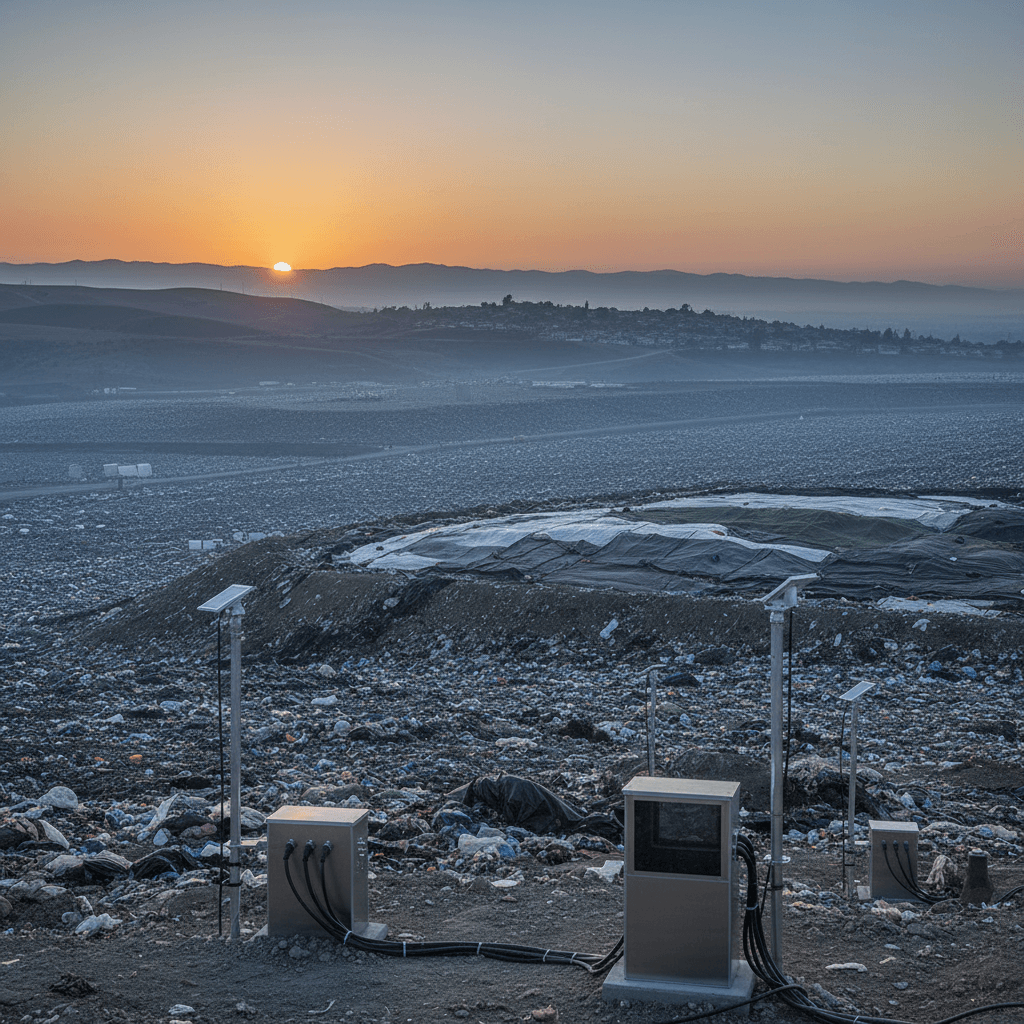
California landfills emit so much methane that they’re the state’s second‑largest source of this climate “super pollutant.” That alone would justify tighter rules. But for communities near sites like Chiquita Canyon or Avenal, this isn’t an abstract climate problem – it’s nosebleeds, headaches, benzene in the air and kids waking up at night because the fumes are so strong.
Here’s the thing about landfill methane: it’s both a health risk and a massive missed opportunity. The same gas that damages hearts and lungs and accelerates warming can power generators, fuel vehicles, and be monitored with surprisingly smart technology – if operators are pushed (and helped) to do it right.
California’s decision in November 2025 to update its 15‑year‑old landfill methane rule is more than a regulatory tweak. It’s a glimpse of what green technology, strong policy and community pressure can do together. And if you’re working in sustainability, waste, energy, or climate‑focused tech, this is a preview of where the market is heading.
In this post, I’ll break down what’s changing, why methane control belongs at the center of any climate strategy, and how AI‑driven green technology is reshaping waste management – from fenceline monitoring to smart gas collection systems.
Why Methane From Landfills Is A Bigger Deal Than Most People Realize
Landfills are one of the fastest, cheapest places to cut climate pollution, and California’s story shows why.
Methane is short‑lived but brutally powerful
Methane traps more than 80 times as much heat as carbon dioxide over 20 years. The upside: it only stays in the atmosphere for about a decade. That means cuts to methane emissions deliver climate benefits within our lifetimes, not in some distant 2100 scenario.
Municipal solid waste landfills produce methane when organic material – food scraps, yard waste, paper – decomposes without oxygen. In California, regulators now confirm these sites are the second‑largest methane source in the state, only behind oil and gas.
If your business or city has climate targets that depend on near‑term reductions, ignoring landfill methane is basically leaving easy wins on the table.
It’s not just methane – it’s a cocktail of toxic co‑pollutants
When landfills run hot or are poorly managed, they don’t just leak methane. They release:
- Volatile organic compounds (VOCs), including carcinogens like benzene
- Toluene, a reproductive and neurological toxicant
- Hydrogen sulfide, the rotten‑egg gas that causes headaches, dizziness, fatigue and respiratory distress
Residents near Chiquita Canyon Landfill and Avenal Landfill have spent years describing “obscene” odors, cancer clusters, miscarriages, nosebleeds and aggravated asthma.
So when California’s Air Resources Board (CARB) talks about improving gas collection and detection systems, the stakes are clear: every leak controlled cuts both climate pollution and toxic exposure.
What California’s Updated Methane Landfill Rule Actually Does
The updated rule is designed to drag landfill oversight into the 2020s, aligning it with modern monitoring tools and what regulators have learned from disasters like Chiquita Canyon.
From old‑school checks to tech‑enabled monitoring
The original rule, now about 15 years old, was built for a very different technology landscape. Since then we’ve seen:
- High‑resolution drone and aircraft methane surveys
- Fixed fenceline sensors capable of near real‑time alerts
- Satellite‑based detection identifying “super‑emitters” from space
- AI models that can flag abnormal emission patterns automatically
The revised regulation bakes these advances into day‑to‑day landfill management. CARB staff describe it as evidence‑based: they’ve taken lessons from a decade of implementation, enforcement, and new research, then tightened requirements around gas collection, leak detection and repair.
What stands out:
- Stronger performance standards for gas collection systems, pushing operators to capture more methane and reduce leaks
- More rigorous monitoring, moving away from sporadic checks toward continuous or higher‑frequency methods where feasible
- Publicly accessible data, so communities no longer have to rely on vague assurances from operators
In plain terms: fewer blind spots, more accountability, and better tools in the hands of regulators and residents.
Chiquita Canyon as the turning point
Much of the November hearing focused on Chiquita Canyon, which one activist called “the longest continuously running chemical disaster in the country.” CARB’s own data show the landfill releasing hundreds of pounds of benzene and tons of other air pollutants every year.
Residents testified – again – about ongoing symptoms and impacts. Some took vacation time to travel to Sacramento. They thanked CARB for acting, but they were blunt: it took too long, and the crisis is still unfolding.
This is why the new rule is framed not just as a climate measure, but as protection against future Chiquitas. Stronger oversight, earlier detection, and transparent data are all lessons pulled directly from that experience.
How Green Technology Is Transforming Landfill Oversight
The updated rule doesn’t just tighten screws on operators. It creates a huge opening for green technology and AI‑powered monitoring to become standard infrastructure.
Smart monitoring: from clipboards to continuous sensing
Modern landfill oversight increasingly looks like a tech stack, not a clipboard and a pickup truck. The most effective setups combine:
- Fenceline monitoring systems with real‑time sensors measuring methane and co‑pollutants
- Thermal and optical gas imaging to spot leaks invisible to the naked eye
- Drones and mobile platforms for surveying large sites quickly
- Cloud platforms that ingest sensor data, flag anomalies, and generate compliance reports
AI fits naturally here. I’ve seen operators use machine learning models to:
- Detect subtle changes in emission patterns before they turn into major leaks
- Predict where gas collection systems are likely to fail based on weather, waste composition and historical performance
- Correlate complaint patterns (odor, symptoms) with sensor data to prioritize investigations
California’s requirement for better monitoring and public data means these tools aren’t “nice to have” anymore – they’re increasingly the cost of doing business.
Methane control as a climate and revenue strategy
Capturing more landfill gas isn’t only about avoiding penalties. Done well, it becomes part of a green energy portfolio:
- Electricity generation: Landfill gas can fuel engines or turbines
- Renewable natural gas (RNG): Upgraded methane can feed pipelines or power heavy‑duty vehicles
- Carbon credits and climate claims: Verified methane reductions count toward corporate and jurisdictional targets
The catch is that any monetization strategy lives or dies on measurement, reporting and verification. That’s exactly what California is tightening – and where robust tech gives operators and investors confidence that reductions are real.
For climate‑focused businesses, this is a clear signal: waste‑to‑energy projects that rely on “trust us” accounting are on borrowed time.
What This Shift Means For Businesses, Cities And Tech Teams
For organizations working in sustainability or green technology, California’s rule is less a local story and more a preview of where policy is heading globally.
If you operate or contract with landfills
You’re entering a world where regulators and communities expect:
- Transparent emissions data, not annual summaries
- Early‑warning systems, not after‑the‑fact explanations
- Demonstrable health protections, not climate‑only narratives
Practical steps that make sense right now:
-
Audit your monitoring stack
Map what you’re measuring (methane, VOCs, hydrogen sulfide), how often, and who sees the data. Compare that to what California is now requiring – even if you’re in another state or country. -
Invest in smart sensing and analytics
Pair physical sensors with analytics tools that can spot anomalies, automate reports, and generate plain‑language dashboards for both regulators and neighbors. -
Design for community access from the start
People living near landfills in California pressed hard for “accessible and understandable” data and real‑time fenceline monitoring. Build public‑facing views into your systems instead of bolting them on later.
If you build green technology or AI tools
This regulatory shift opens clear product lanes:
- AI‑assisted leak detection: Models that rank likely leak sources and suggest optimal inspection routes
- Regulatory compliance platforms: Automated reporting aligned to landfill, air quality, and climate rules
- Multi‑language community portals: Real‑time emission notifications and education in the languages actually spoken in nearby neighborhoods
- Cross‑facility analytics: Benchmarking performance across multiple landfills to identify best practices and under‑performers
The demand isn’t hypothetical. Community advocates in California have already pushed CARB to emphasize real‑time fenceline monitoring, prevention and early intervention. That pressure will spread.
If you’re a city or regional planner
You don’t need to wait for state‑level mandates to modernize waste systems. The smartest cities I’ve worked with are already:
- Writing advanced monitoring and data transparency requirements into landfill contracts
- Prioritizing organics diversion (composting, anaerobic digestion) to reduce landfill methane at the source
- Treating landfill gas projects as part of an integrated clean energy and climate resilience strategy, not a side project of the waste department
California’s new rule is a handy benchmark when you’re justifying those moves to councils and boards.
The Bigger Picture: Methane, Justice And The Future Of Green Tech
One of the most important shifts in California’s update is philosophical: methane is now explicitly treated as one impact among many from our waste system, not the only metric that matters.
CARB’s leadership and board members were clear: capturing more gas reduces toxic co‑pollutants and odorous compounds, not just greenhouse gases. Community testimony – much of it from Spanish‑speaking residents who asked for better translation of regulatory updates – shaped that broader view.
This matters because the next generation of green technology can’t just chase climate numbers. It has to:
- Cut local health impacts
- Support environmental justice goals
- Provide transparent, accessible information to the people who live next to the infrastructure
California’s new agreement with Chile under the Subnational Methane Action Coalition shows how fast these ideas are traveling. As more regions coordinate methane reductions, they’ll be looking for proven tech, clear standards and real‑world case studies – exactly what this rulemaking sets up.
For companies and teams in the green technology space, there’s a clear opportunity here:
Build tools that make methane control cheaper, more reliable and more transparent – and design them with frontline communities in mind from day one.
Those are the solutions regulators want, communities trust, and climate targets actually depend on.
California’s landfill methane rule update is overdue, and residents near sites like Chiquita Canyon are right to say it should’ve happened sooner. But it’s also a strong signal about where climate and waste policy are headed: data‑rich, tech‑enabled and justice‑aware.
If you’re operating a landfill, managing a city’s waste contracts, or building AI‑driven green technology, now’s the time to align with that future. Tighten your monitoring, treat methane as both a risk and a resource, and assume your data will be public.
The next wave of climate progress isn’t only about giant wind farms or shiny EVs. It’s also about getting the “unsexy” systems – like landfills – to run clean, smart and fair. And that’s exactly where smart green technology can make the fastest difference right now.