Digital mind mapping helps brands turn scattered ideas into coherent, emotionally resonant stories. Here’s how to use it to power modern Vibe Marketing campaigns.
Content teams don’t struggle with ideas. They struggle with structure.
You’ve got product stories, customer anecdotes, data insights, and social content angles bouncing around. But when it’s time to turn that chaos into a cohesive campaign narrative, everything either feels flat…or like a tangled mess.
Here’s the thing about digital mind mapping: it gives your storytelling a brain. A visible one. On one canvas, you can see how emotion, data, and strategy connect. And that’s exactly what Vibe Marketing is about—where feeling meets thinking.
This guide walks through how digital mind mapping for storytelling works, how to use it for content strategy, and how it helps teams craft emotionally resonant, data-informed narratives without getting stuck in rigid outlines.
What Is Digital Mind Mapping for Storytelling (And Why It Works)?
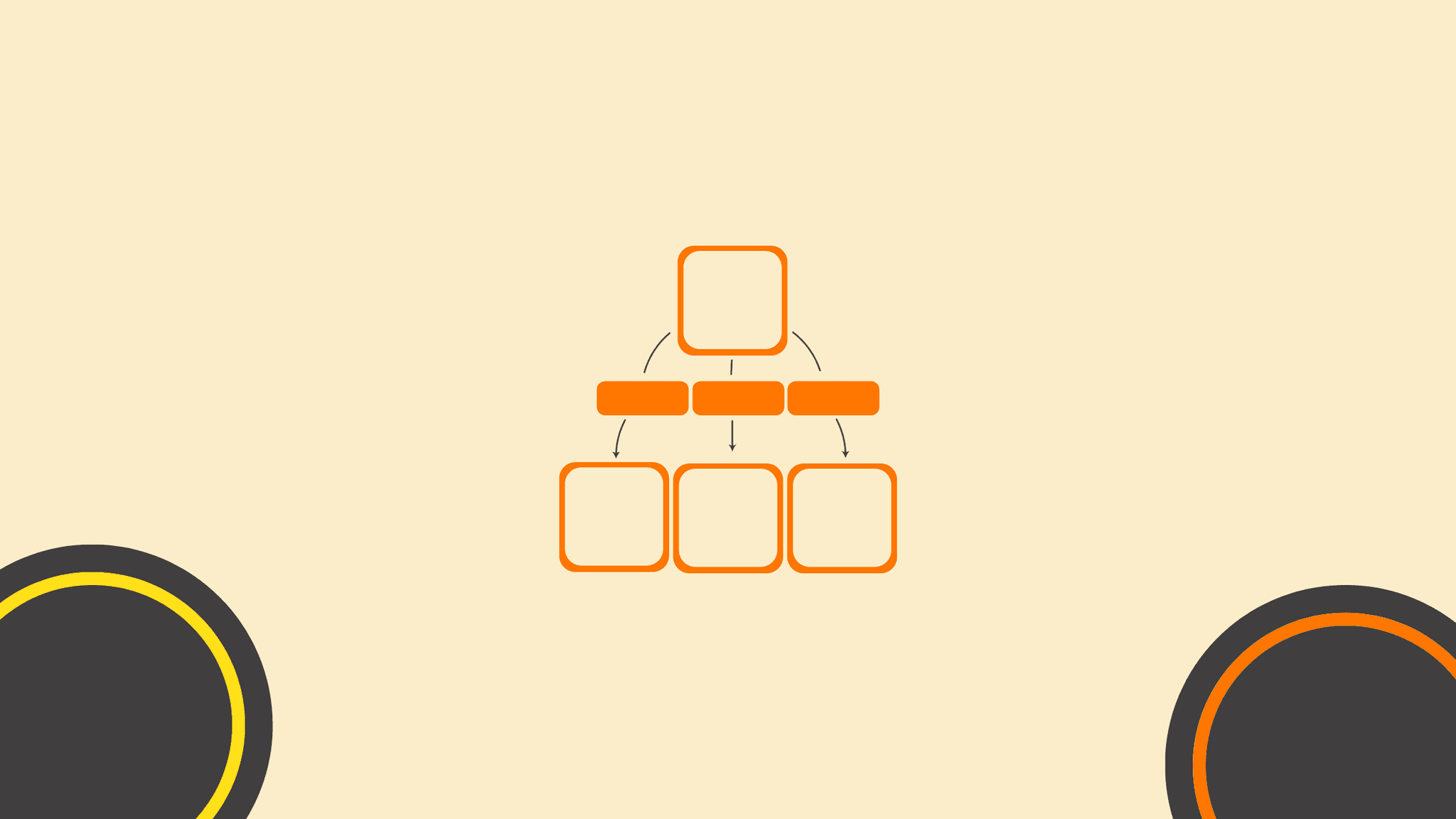
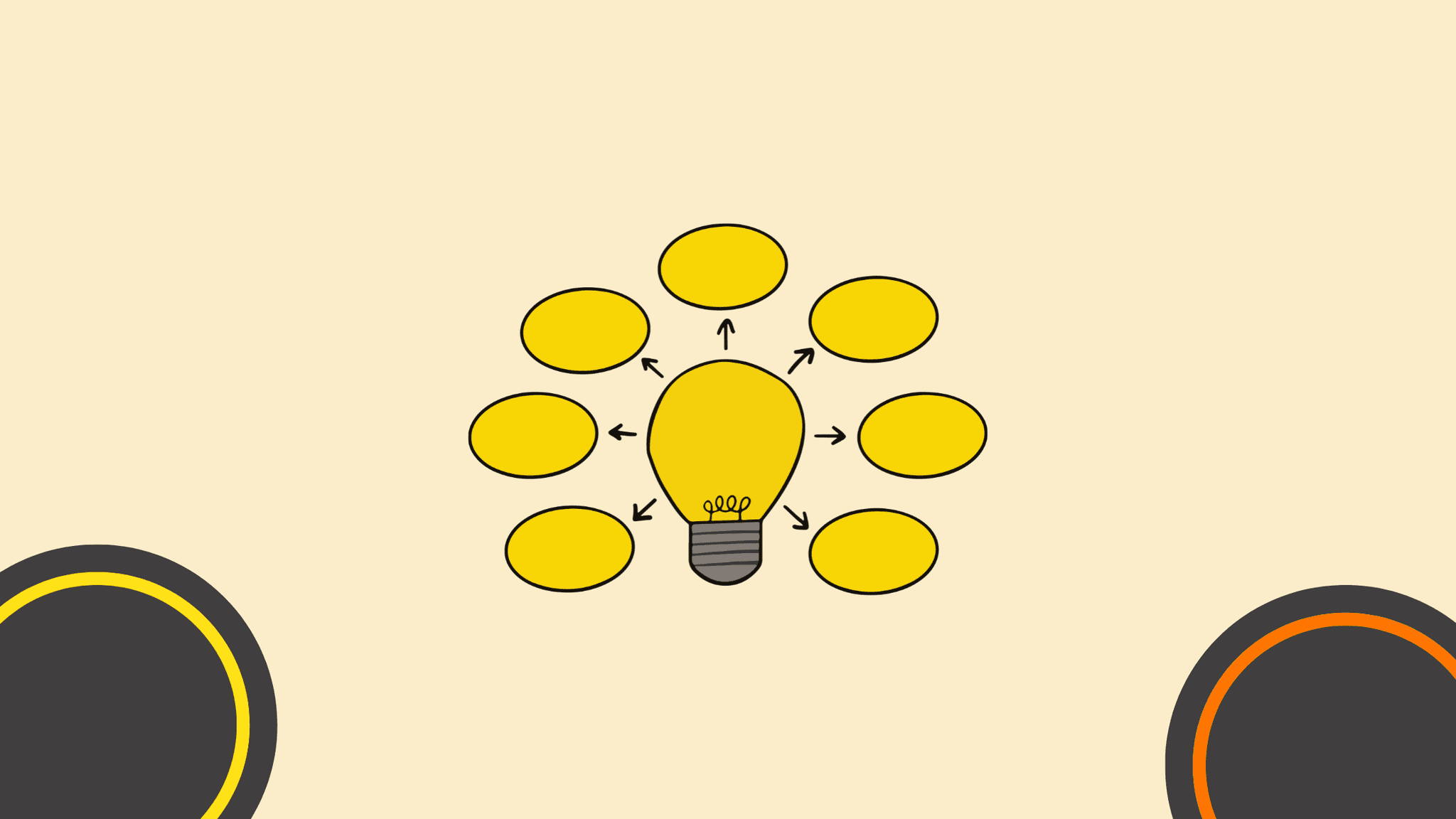
Digital mind mapping for storytelling is a way to visually plan narratives around a single central idea: your campaign, product launch, or brand story. Instead of forcing ideas into a linear document, you build a web:
- Central node: core concept (e.g., “Brand origin story”, “Holiday launch campaign”)
- Main branches: characters/customers, channels, key messages, conflicts, emotional hooks
- Sub-branches: proof points, scenes, content formats, CTAs, timing
This matters because brand stories rarely move in straight lines. Buyer journeys loop, stall, jump channels, and pick up context from multiple touchpoints. A mind map mirrors that reality.
Digital tools amplify the classic pen-and-paper map with:
- Drag-and-drop structure – rearrange arcs and scenes without rewriting everything
- Color coding and icons – separate emotional beats, product pillars, and audience segments
- Collaboration – multiple people shaping the same narrative in real time
- Templates and AI support – faster starting points and structure suggestions
The result is simple: more ideas, clearer structure, fewer plot holes—whether you’re writing a short story, a video script, or a full-funnel content strategy.
Using Digital Mind Mapping for Content Strategy and Vibe Marketing
If Vibe Marketing is about aligning emotion with intelligence, digital mind maps are the bridge.
Start from your campaign’s emotional core
Most campaigns die because they start from the offer, not the feeling.
When you build a digital mind map, make your central node the vibe, not the asset:
- “Relief from chaos for overwhelmed founders”
- “Belonging for first-time community members”
- “Confidence for new users during onboarding”
From there, branch out into:
- Audience segments – who needs to feel this most?
- Moments in the journey – where does this emotion matter?
- Proof and data – what stats, testimonials, or behavior patterns back this up?
- Formats – emails, reels, landing pages, ads, webinar stories, SMS, etc.
You’re not just mapping content; you’re mapping emotional flow supported by data.
Example: Tech product launch as a story map
Say you’re launching a SaaS tool for remote teams.
Central node: “Remote teams that finally feel aligned.”
First-level branches:
- Characters: Team lead, frustrated contributor, skeptical exec
- Conflict: Missed deadlines, miscommunication, tool overload
- Resolution: One shared workspace; clearer priorities; less chaos
- Channels: Blog, LinkedIn, YouTube, email, product tours
- Proof: Case studies, metrics (e.g., “37% fewer missed deadlines”), customer quotes
Under each channel, you add:
- Story angles
- Hooks
- CTAs
- Timing and sequence
Now your launch content isn’t “10 random assets.” It’s one connected story, told through multiple touchpoints, all tied to a specific emotional promise.
How Digital Mind Maps Help You Craft Stronger Storylines
Used well, digital mind mapping doesn’t just organize your notes. It upgrades your storytelling.
1. Cleaner plots and campaigns with fewer loose ends
A good story—fiction or marketing—relies on cause and effect. Mind maps help you:
- Lay out your main beats: problem, tension, turning point, resolution
- Map each subplot or content strand and link it to the main arc
- Spot gaps and redundancies before you spend hours drafting

For marketers, that might look like:
- Mapping an awareness > consideration > decision arc
- Branching out assets: top-of-funnel stories, mid-funnel proof, bottom-of-funnel urgency
- Drawing connections where one piece should naturally lead to the next
If a branch doesn’t connect back to the core emotional promise or goal? You either fix it or cut it. That’s how you keep a campaign tight.
2. More believable, relatable “characters”
In Vibe Marketing, your “characters” aren’t just fictional heroes. They’re:
- Customers
- Creators
- Founders
- Partners
Create one major branch per key persona and add sub-branches for:
- Goals, fears, frustrations
- Triggers that start their journey
- Objections and doubts
- Desired transformation
When you do this visually, your messaging shifts from “features and benefits” to “this is what your life looks like before and after.” That’s what people respond to.
3. Faster idea generation (without getting lost)
Digital mind maps support divergent thinking first, structure second. You can:
- Rapid-fire add hooks, headlines, and angles
- Dump wild ideas into a “sandbox” branch
- Come back later and promote the best ones into the core structure
Studies on digital mind mapping in writing and learning consistently show higher idea volume and originality compared to traditional outlining. I’ve seen the same with teams: a quiet content strategist who hates speaking on Zoom will happily light up a shared mind map with 20 strong ideas.
4. Built-in collaboration and shared understanding
Most content misalignment isn’t about skill. It’s about missing shared context.
When your story map lives in a digital tool, your team can:
- Brainstorm live, branching ideas off the same core concept
- Comment directly on branches (e.g., “Too salesy for awareness stage”)
- Vote on ideas, prioritize scenes or assets, and park “maybe later” concepts
Instead of 12 documents and 40 Slack threads, the map becomes your single source of narrative truth.
Step-by-Step: Build a Digital Story Mind Map That Actually Gets Used
Here’s a practical workflow you can apply to your next campaign or story project.
Step 1: Define the central idea and the vibe
Drop one phrase in the center of the canvas that combines:
- The core idea (campaign, product, or story) and
- The core emotion you want your audience to feel
Examples:
- “Black Friday campaign – smart, not spammy savings”
- “Brand origin story – from burnout to calm”
- “Email onboarding – from confusion to confidence”
Step 2: Add the main branches
For storytelling and content strategy, useful first-level branches include:
- Audience / characters
- Problem & conflict
- Desired transformation
- Channels / formats
- Key messages & themes
- Proof (data, stories, social proof)
- CTAs & conversions
This instantly gives you a balanced view: emotion, logic, and action.
Step 3: Expand each branch with tactical detail
Go one branch at a time.
Audience / characters
- Personas, segments
- Their language and phrases
- The context they’re in when they meet your brand
Problem & conflict
- External problems (missed deadlines, lost data, no time)
- Internal problems (stress, doubt, fear of failure)
- Stakes (what happens if this doesn’t change?)
Channels / formats
- Blog articles, videos, reels, shorts, email series, landing pages
- For each, map: hook, main message, proof, CTA
Step 4: Draw relationships and flows
Use lines, arrows, and labels to show:
- Which persona each asset is for
- How an email or post should point to the next asset
- Where a single customer story feeds multiple formats (case study → short video → quote graphic)
This is where mind maps outshine lists. You literally see your funnel and narrative.
Step 5: Trim, group, and prioritize
Once the board is full, switch from idea mode to editor mode:
- Group similar ideas
- Mark must-have vs nice-to-have assets
- Cut branches that don’t support the core story or business goal
You end up with a lean, powerful narrative plan instead of a bloated “content calendar for the sake of content.”
Paper vs Digital Mind Mapping for Modern Content Teams
Both paper and digital have their place, but for scalable Vibe Marketing, digital usually wins.
Paper mind maps work well when you:
- Want a quick solo brainstorm
- Think better with pen, doodles, and scribbles
- Don’t need to share or update the map often
Digital mind maps are stronger when you:
- Work with a team across locations
- Run multi-channel campaigns with many moving parts
- Need to attach research, examples, or assets
- Iterate frequently based on performance data
Most teams I’ve worked with end up doing this:
- Rough sketch on paper or tablet to unstick ideas.
- Rebuild in a digital tool once the story has legs.
- Use the digital map as the living source of truth for the campaign.
From Mind Map to Outline to Finished Content (Where AI Fits In)
A mind map is the thinking space. Your outline is the execution plan.
Here’s a simple way to move from map to draft:
- Export or transcribe branches into text.
- Turn main branches (acts, journey stages, or themes) into headings.
- Turn sub-branches into bullet points under each heading.
- Reorder until the narrative flows.
At this point, AI tools become incredibly helpful. You can feed your outline into an assistant and ask for:
- Alternative hooks for each section
- Sharper transitions between story beats
- Variations of the same narrative tailored to different personas
The key is to treat AI as scaffolding, not a ghostwriter. The vibe still has to be yours—your brand voice, your story, your decisions.
And when a draft feels off, don’t just tweak sentences. Go back to the map. Nine times out of ten, the problem is structural: a missing beat, a weak conflict, or a misaligned emotion.
Why the Future of Marketing Is About How We Map Stories
Storytelling in marketing is getting more complex, not less. In 2026, your brand story won’t just live in a single campaign; it will stretch across channels, creators, communities, and AI agents.
Digital mind mapping is one of those unsexy but transformative habits that separate noisy brands from memorable ones. It:
- Aligns emotion (the vibe) with intelligence (data, strategy)
- Keeps teams focused on one coherent narrative instead of scattered tactics
- Makes it easier to adapt stories as you learn from real behavior and performance
If your marketing is feeling fragmented, don’t start with another tool or another channel. Start with a blank digital canvas and map the story you’re really trying to tell.
Then let everything else—the assets, the formats, the optimizations—fall into place around that.
Next step: Take your next campaign idea and spend 30 minutes turning it into a digital mind map. One central vibe. Clear branches for emotion, data, channels, and CTAs. You’ll feel the difference the next time you sit down to write.