DeepSeek-V3.2 isn’t broken—your setup is. Here’s how brands can avoid beginner AI traps, protect their vibe, and turn raw model power into real user connection.
Most brands don’t lose with AI because the model is weak. They lose because the setup is.
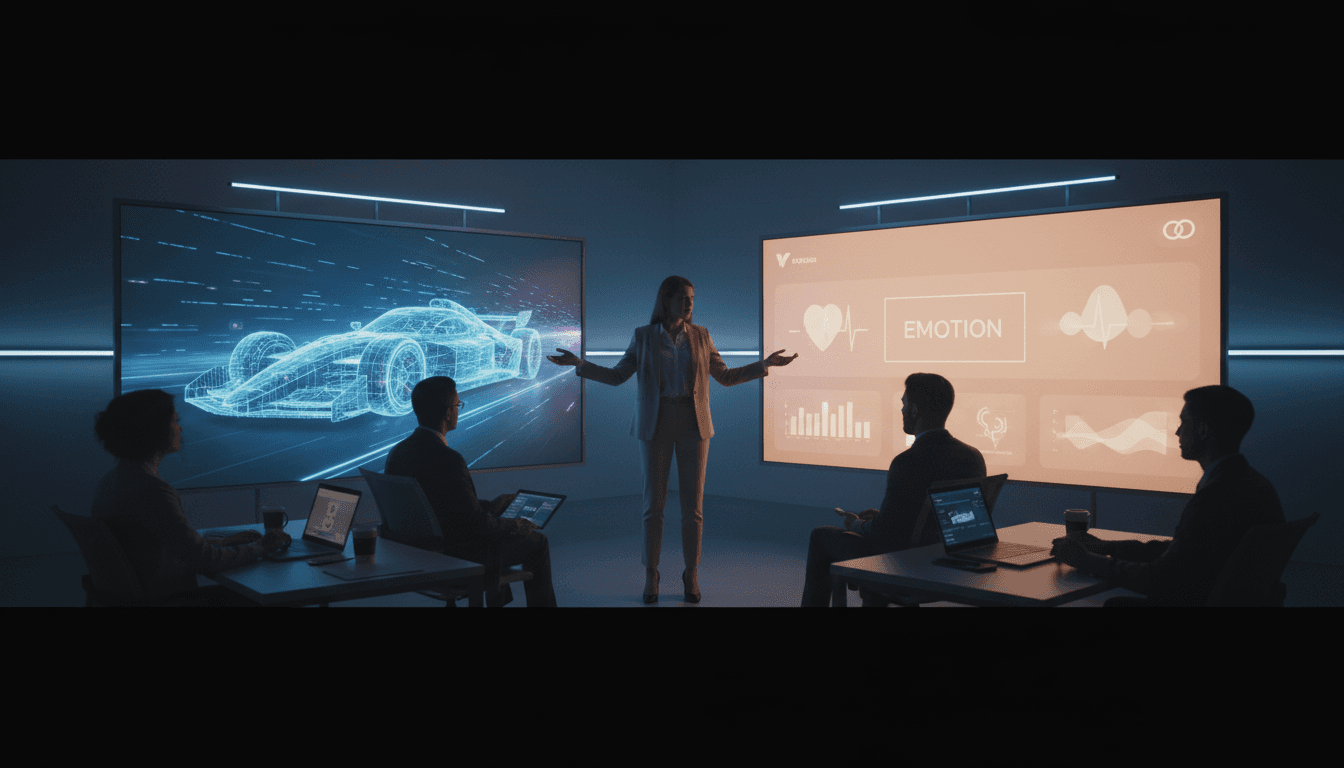
DeepSeek-V3.2 is a perfect example. It’s fast, powerful, open, and everyone’s hyping it as the “race car” of AI. But if you just plug it into your workflows and hope for the best, you’re almost guaranteed to get shallow outputs, confused users, and a chaotic brand voice.
This matters because your AI stack is now part of your vibe marketing—the way your brand feels in every interaction. When your chatbot rambles, your AI content sounds robotic, or your product assistant forgets who it’s talking to, people don’t blame the model. They blame you.
In the AI Fire Daily episode “Why DeepSeek-V3.2 Is A Trap For Beginners Without This Simple Fix,” the host tests DeepSeek against GPT-5 and uncovers something most teams miss: the tech is strong, but the human guidance is weak. That’s the real trap.
This post reframes that episode for brands and marketers: how to use tools like DeepSeek-V3.2 without wrecking your brand experience—and how emotional intelligence, prompt design, and model strategy turn raw power into real vibes.
The Real Problem: Powerful AI, Weak Experience
The core issue with DeepSeek-V3.2 isn’t accuracy or speed. It’s that beginners treat it like a magic button instead of a collaborator.
According to the episode, DeepSeek-V3.2:
- Holds more context than older DeepSeek versions
- Can stay in an “Awake” state and juggle several complex tasks
- Competes directly with GPT-5 on reasoning and coding
On paper, that’s amazing. In practice, for brands, it often leads to:
- Messy conversations: The model remembers too much and drags irrelevant details into new answers.
- Inconsistent tone: Every new conversation feels like a different intern wrote it.
- Overcomplicated flows: Teams throw five asks into one prompt and wonder why the response is chaotic.
Here’s the thing about AI in marketing: raw intelligence doesn’t create trust—experience does.
If you connect DeepSeek-V3.2 straight into a chatbot, content tool, or internal assistant without intentional structure, you’re handing your brand over to a very fast, very smart, but emotionally clueless engine.
DeepSeek vs GPT-5: Race Car vs Luxury Sedan
The podcast frames the comparison perfectly:
DeepSeek-V3.2 is the race car. GPT-5 is the luxury sedan.
That metaphor is more than cute—it’s your strategy checklist.
-
DeepSeek-V3.2 (Race Car)
- Incredible speed and flexibility
- Requires a good driver and clear track
- Unforgiving if you don’t know what you’re doing
-
GPT-5 (Luxury Sedan)
- Smoother, “safer” default behavior
- Better for non-technical users out of the box
- Sometimes slower or more conservative in outputs
For vibe marketing and brand experience, this means:
- If your team has no prompt discipline, no UX thinking, and no guardrails, GPT-5 will usually feel more stable.
- If you’re willing to invest in prompt systems, role definitions, and emotional tone guidelines, DeepSeek-V3.2 can outperform—especially for complex workflows like coding, multi-step campaigns, or data-rich personalization.
Most companies get this wrong. They argue about “Which model is better?” instead of asking “Which model fits our people, processes, and brand personality?”
The “Awake State” Trap: When Context Becomes Chaos
One of the episode highlights is testing DeepSeek’s so‑called “Awake” behavior: giving it three complex tasks at once and seeing how it handles them.
That’s exactly how many teams already use AI:
“Draft a landing page, generate five social posts, write the email sequence, and summarize this report.”
All in one mega prompt.
DeepSeek-V3.2 can juggle multiple tasks. But here’s the problem: brands confuse capability with clarity.
When you overload a model:
- It blends tones and audiences. Your B2B whitepaper suddenly sounds like a TikTok caption.
- It hallucinates structure. Sections appear that you never asked for.
- It struggles with prioritization. What matters most to the user gets buried.
From a vibe marketing perspective, that kills emotional connection. The output feels busy and generic instead of focused and human.
A better approach is to use the “Awake” capability strategically:
- Break tasks into stages: Brief → Strategy → Draft → Refine → Format.
- Keep one emotional goal per interaction: Clarity, excitement, trust, reassurance—pick one.
- Reuse context, not prompts: Carry over only what’s relevant to the next step.
You’re not trying to prove the model is smart. You’re trying to make your brand feel intentional.
Vibe Coding: The Simple Fix Beginners Miss
The episode introduces something called “Vibe Coding”—using AI like a creative partner rather than a code generator. The host walks through building a Pomodoro Timer app with Python Tkinter, not by dumping “build this app” into the model, but by shaping it step‑by‑step.
That same mindset is exactly what brands need for AI-powered marketing.
What Vibe Coding Really Is
Vibe coding isn’t just about code. It’s a process:
-
Set the vibe
- Who are we talking to?
- How should this feel—playful, calm, authoritative, rebellious?
-
Define the role
- “You are a brand copywriter for a wellness startup.”
- “You are a support agent for a fintech app speaking to anxious users.”
-
Move in small, collaborative steps
- Ask for structure first.
- Then details.
- Then refinement.
-
Keep emotional guardrails in every prompt
- “Avoid fear‑based language.”
- “Use short, human sentences.”
- “Prioritize clarity over cleverness.”
When the host builds the Pomodoro app, they don’t just say “Write all the code.” They:
- Ask for a basic window first
- Test it
- Then add timers
- Then add styling
Brands should treat AI the same way when building experiences:
- Start with message architecture (who, what, why).
- Layer on tone and story.
- Only then scale to full campaigns.
The “simple fix” for beginners is this: Stop giving AI giant, vague asks. Start treating it like a collaborator you’re directing in real time.
Choosing the Right Model for Your Role: Writer vs Coder vs Strategist
The podcast makes a smart point: different professions should favor different AI strengths. That’s where most teams quietly sabotage themselves.
For Writers & Content Teams
Writers don’t just need text. They need voice and vibe.
DeepSeek-V3.2 works well when:
- You provide a brand voice primer in every session (do’s, don’ts, examples).
- You ask it to analyze existing brand content and mirror the tone.
- You use short, focused prompts for each asset: one prompt per email, not “write the whole funnel.”
GPT-5 may feel better if:
- You’ve got non-technical copywriters who want something “safe” out of the box.
- You prioritize stability over experimentation.
For vibe marketing, I’ve found that DeepSeek is excellent when paired with a brand style system—a reusable prompt that defines your personality, taboo phrases, and emotional goals.
For Coders & Product Teams
Coders care about reasoning, context, and iteration.
DeepSeek-V3.2 is strong when:
- You’re building internal tools or prototypes (like the Pomodoro app).
- You want it to refactor, debug, and explain rather than write everything from scratch.
- You’re comfortable reading and editing code yourself.
Again, the trap isn’t the model. It’s throwing complex build requests at it with zero structure and then blaming the AI when the architecture is messy.
For Strategists & Marketers
Strategists sit in the middle. They need synthesis, prioritization, and storytelling.
Whichever model you use, focus on:
- Question chains: Ask for audience insight first, then angles, then messaging, then assets.
- Emotion tags: Label each piece with the emotion it should evoke.
- Constraints: Word count, platform, hook style, taboo phrases.
Emotionally intelligent AI usage looks like this: you use the model to think with you, not just work for you.
How to Keep Your Brand Out of the DeepSeek Trap
If your brand is experimenting with DeepSeek-V3.2—or any high‑power model—here’s a practical way to stay out of trouble.
1. Build a Reusable “Vibe System” Prompt
Create a master prompt that everyone uses as the first message:
- Who the brand is
- What it believes
- How it speaks
- Phrases it avoids
- Target audience profiles
Then reference that system in every conversation:
“Follow the brand system above for tone and perspective.”
2. Separate Strategy From Production
Don’t ask the model to “think the strategy and write all the assets” in one go.
Run it in stages:
- Audience and insight
- Core narrative and offer
- Channel plan
- Asset drafts
- Refinement & consistency pass
You’ll get cleaner, more emotionally coherent campaigns.
3. Design for Feelings, Not Just Tasks
Every AI touchpoint—chatbot, email assistant, product help—should start from one question:
“How should this feel to a real person on a Tuesday afternoon?”
Then bake that into prompts:
- “User is likely stressed and short on time.”
- “They need reassurance more than details.”
- “Use warm, clear, non-technical language.”
That’s vibe marketing: technology guided by emotional intelligence.
4. Test With Real Humans, Not Just Benchmarks
In the podcast, they stress real‑world testing: assigning multiple tasks, pushing the memory, seeing what breaks.
Do the same with your brand experiences:
- Watch users interact with your AI assistant.
- Save and review the weirdest responses.
- Update your system prompts and guardrails weekly.
The brands that win with AI aren’t the ones with the fanciest model. They’re the ones who treat AI like a living part of the brand, constantly tuned.
Where Emotion Meets Intelligence in Your AI Stack
DeepSeek-V3.2 isn’t the enemy. The real threat is dropping a race car into city traffic with no signals and no driver.
For vibe marketing, the rule is simple: AI should amplify your emotional intelligence, not replace it. When you bring structure, brand clarity, and user empathy to tools like DeepSeek-V3.2, you stop falling into beginner traps and start building experiences people actually remember.
If your AI outputs feel generic, chaotic, or off‑brand, it’s not a model problem. It’s a vibe system problem—and that’s fixable.
The next step? Audit one AI touchpoint in your brand and ask:
- What emotion is this actually creating?
- Where is the model guessing because we didn’t give it guidance?
- What would change if we treated it like a collaborator instead of a content vending machine?
That’s where your AI stops being a trap—and starts becoming part of the vibe your audience comes back for.