Vermont is quietly stacking EV incentives, smart grids, and home batteries to make clean transport affordable and practical. Here’s how it works and why it matters.
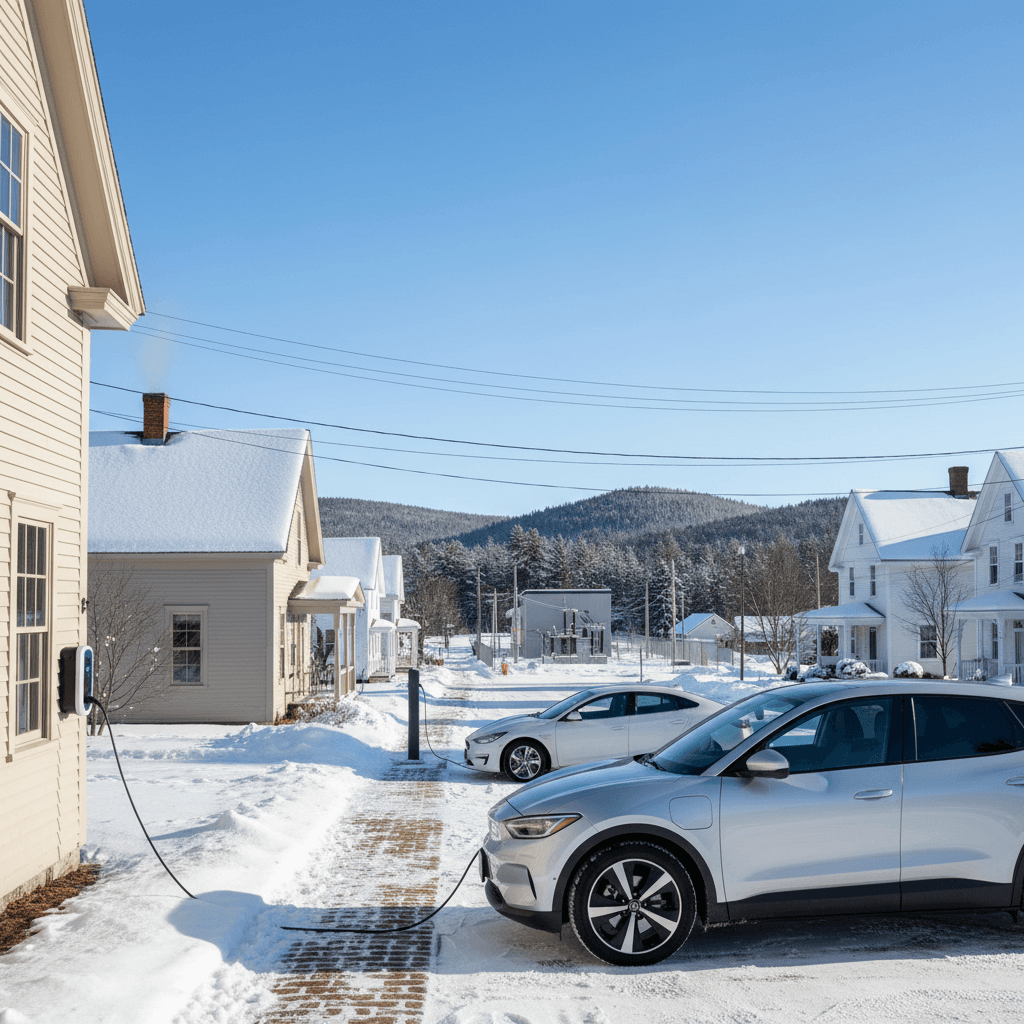
Most people think federal electric vehicle incentives are gone and the party’s over. They’re only half right.
Vermont quietly shows how much policy still matters for clean transport. While national debates drag on, this small, mostly rural state is stacking state and utility incentives to make EVs – and even home batteries – genuinely affordable for regular households and small businesses.
This matters because the economics of green technology often decide whether people switch or stay with fossil fuels. Incentives are the bridge between “I like the idea” and “I signed the paperwork.”
In this article, I’ll break down what’s happening in Vermont, how these EV incentives fit into the broader green technology shift, and what you can learn from Vermont’s approach whether you’re a resident, a policymaker, or a business selling clean tech solutions.
Vermont Still Has EV Incentives – And They’re Strategic
Vermont still offers stackable EV incentives through state programs and utilities, even as many people think support has dried up. That mix makes EVs more affordable up front while also supporting the grid long term.
While federal EV tax credits have gone through rule changes and confusion, Vermont has kept a clear goal: accelerate clean transport, especially for lower- and middle-income residents.
Here’s the core idea of Vermont’s approach:
- Make new and used electric vehicles cheaper at purchase
- Reward drivers for charging smart, not just more
- Use EVs and home batteries as flexible grid resources
- Focus on equity, not just luxury-car buyers
This is green technology in practice: not just shiny new hardware, but aligned incentives, smarter grids, and real-world adoption.
What EV Incentives Look Like in Vermont Right Now
Vermont’s EV incentives tend to come from three places: the state government, local utilities, and occasional dealer or manufacturer bonuses. The result is a layered system where savings can add up quickly.
1. State Rebates for New and Used EVs
The state has offered point-of-sale rebates for qualifying electric vehicles, often with higher amounts for lower-income households. Exact numbers shift by year as funding is renewed, but the structure usually looks like this:
- Higher rebates for fully electric vehicles (BEVs)
- Smaller but still meaningful rebates for plug-in hybrids (PHEVs)
- Additional support for income-qualified buyers
- Sometimes, extra incentives for trading in older, higher-polluting vehicles
This targeted design matters. Incentives that don’t consider income mostly subsidize people who were going to buy an EV anyway. Vermont pushes harder support toward buyers for whom a few thousand dollars really changes the decision.
2. Utility Incentives: Green Mountain Power Leads
Green Mountain Power (GMP), Vermont’s largest electric utility, has become one of the most interesting players in the clean transport space. GMP has offered:
- Rebates for purchasing or leasing EVs
- Discounts or credits for installing Level 2 home chargers
- Lower off-peak charging rates if you agree to charge overnight
- Incentives for home batteries (like Tesla Powerwall or similar setups)
Why would a utility pay you to add devices that increase electricity demand? Because done right, those devices stabilize the grid instead of straining it.
When EVs and batteries are connected to a smart grid, the utility can:
- Shift charging to overnight, low-demand hours
- Use home batteries as “virtual power plants” during peak times
- Reduce the need to fire up expensive, carbon-heavy peaker plants
I’ve found that once people understand this, EVs stop looking like a grid problem and start looking like a grid solution.
3. Stackable Savings Add Real Money
Where Vermont shines is in stackability. A resident can often combine:
- A state EV rebate
- A utility EV rebate or bill credit
- Charging equipment incentives
- Any available federal tax credits that still apply to their chosen vehicle and income bracket
For a mid-priced electric vehicle, that can reduce the effective purchase cost by several thousand dollars. In practical terms, that’s often enough to bring the total cost of ownership (including fuel and maintenance) below that of a comparable gasoline car over a few years.
Why a Rural State Like Vermont Cares This Much About EVs
Vermont isn’t California. It’s rural, cold, and heavily dependent on cars. That’s exactly why EV incentives matter so much there.
Transport Emissions Are a Big Slice of the Pie
In many US states, transportation is the largest source of greenhouse gas emissions, often over 40% of the total. Vermont is no exception. If you’re serious about climate goals, you can’t ignore cars, trucks, and buses.
Because Vermont has a relatively clean electricity mix already, every car that electrifies delivers a bigger emissions win than in a coal-heavy state.
EVs + Smart Grids = Practical Green Technology
Vermont is part of a broader green technology shift where the boundaries between:
- transportation,
- electricity, and
- digital intelligence
are blurring.
Here’s how that plays out:
- EVs become rolling batteries
- Smart chargers and home batteries become controllable grid assets
- AI and advanced software optimize when and how energy flows
This isn’t theory. Utilities like Green Mountain Power already use connected devices and algorithms to shape demand. As the software layer gets smarter – from basic time-of-use pricing to AI-driven demand forecasting – incentives become even more valuable.
You’re not just subsidizing a car; you’re deploying flexible infrastructure.
Winter, Range, and the “EVs Don’t Work Here” Myth
There’s a common myth that EVs don’t perform well in cold climates. Yes, range drops in winter, often by 20–30% depending on the model and conditions. But Vermont’s incentives help cushion that concern:
- Lower upfront cost makes slightly reduced winter range easier to accept
- Many incentives support at-home Level 2 charging, so you start each day with a full “tank”
- Newer EVs and heat-pump-based cabins handle cold more efficiently than older models
The result: people discover that for daily commuting and errands, even in a rural, snowy state, EVs are perfectly workable – and cheaper to run.
How Vermont’s EV Incentives Fit into the Green Technology Series
From a green technology perspective, Vermont is a case study in making policy, business models, and technology work together.
EVs as Distributed Energy Resources
In this series, we’ve talked about how:
- Solar panels
- Smart thermostats
- Industrial sensors
all turn passive systems into active, responsive energy assets.
EVs are the same story. With the right incentives and software:
- A car isn’t just a vehicle; it’s a flexible load that the grid can steer
- A home battery isn’t just backup; it’s a mini power plant on call
Utilities like Green Mountain Power are already experimenting with virtual power plants (VPPs), where thousands of small devices respond in sync to grid needs. EV incentives are a practical way to accelerate that build-out without waiting for massive new plants.
Where AI Fits In
AI isn’t the headline of Vermont’s EV programs, but it’s sitting quietly in the control room.
- Load forecasting models help predict when people will plug in
- Optimization software schedules charging to minimize cost and emissions
- Anomaly detection spots issues in chargers, batteries, or local transformers
As more EVs hit the road, those algorithms matter more than the incentives themselves. Vermont’s current programs are essentially seeding future AI-managed energy networks.
This is why I’m bullish on regions that pair financial incentives with digital infrastructure. You don’t just get more EVs—you get a smarter, more resilient energy system.
Practical Steps: How to Use EV Incentives Effectively
If you’re in Vermont – or in a state considering similar programs – here’s how to approach EV incentives strategically.
1. Start with Total Cost of Ownership, Not Sticker Price
The biggest mistake I see is fixating on MSRP. Instead, map out:
- Purchase price minus rebates and tax credits
- Expected fuel savings (electricity vs gasoline) over 5–10 years
- Lower maintenance costs (no oil changes, fewer moving parts)
Once you run realistic numbers, EVs often come out ahead, especially when incentives stack.
2. Talk to Your Utility Before You Buy
Don’t wait until after you’ve installed a charger to figure out what incentives you missed.
Ask your utility:
- What EV or charger rebates are active right now?
- Do they offer off-peak rates for EV charging?
- Are there incentives for home batteries or managed charging programs?
Aligning your vehicle choice, charger type, and rate plan can add hundreds of dollars per year in savings.
3. Prioritize Smart Charging and Storage
If you’re adding an EV, consider:
- Installing a Wi-Fi–enabled Level 2 charger
- Opting into managed charging if your utility offers it
- Adding a home battery if incentives help close the cost gap
This isn’t just about being “techy.” Smart charging and storage:
- Reduce your bills
- Support grid stability
- Lower overall system emissions
4. For Businesses and Fleets: Think in Systems
If you manage a small fleet – delivery vans, service vehicles, municipal cars – Vermont-style incentives can be especially powerful.
Treat electrification as a systems project, not just a vehicle swap:
- Vehicles + chargers + software + rates + incentives
The businesses doing this well are cutting fuel and maintenance costs while also improving resilience with onsite storage and smart energy management.
What Other States (and Companies) Can Learn from Vermont
The reality? Vermont’s EV incentives are less about being generous and more about being strategic.
Here’s what’s worth copying:
- Stackable incentives: State + utility + federal support beats one giant, clumsy program
- Income-sensitive rebates: Direct more support to buyers on the fence financially
- Smart grid alignment: Tie incentives to behaviors that help the grid (off-peak charging, connected devices)
- Integration with broader green tech: Connect EVs with home batteries, solar, and intelligent control systems
For companies in the green technology space – installers, EV dealers, energy management platforms – Vermont-style policies are exactly the kind of environment where your solutions can prove their value.
If you sell or deploy:
- EV fleet management
- Smart chargers
- Energy storage
- Grid optimization software
you want to be in markets where incentives and regulation pull these technologies through the pipeline instead of pushing against outdated rules.
Vermont shows that even a small, rural state can move the needle on clean transport by aligning EV incentives, grid strategy, and green technology.
As more regions rethink their climate and energy plans for 2026 and beyond, the question isn’t just, “Do we offer EV incentives?” It’s, “Do our incentives actually build the cleaner, smarter energy system we’re going to depend on?”
That’s the bar Vermont is quietly setting. The next move is up to everyone else.